
The Ukrainian Opportunity.

The Trump administration’s handling of the Ukraine conflict has faced criticism for prioritizing negotiations with Putin while sidelining Ukrainian interests, leading to significant diplomatic blunders. Zelensky emphasized Ukraine’s need for NATO inclusion and condemned any peace that sacrifices territory, drawing historical parallels to appeasement strategies that failed in the past.

Manichaeism, The Clash of Narratives in Mexico.

The government’s response to challenges is critical, influencing the political landscape under Claudia Sheinbaum compared to her predecessor AMLO. While AMLO’s popularity remained high, societal divides exist, with contrasting perceptions of national well-being. The effectiveness of Sheinbaum’s approach amidst constitutional changes will significantly impact future governance and economic stability.
Rituals

The article critiques the Mexican Executive’s recent actions, suggesting a worrying trend of undermining judicial independence and democracy. It highlights perceived complicity with drug cartels and the erosion of constitutional respect. The author warns that this jeopardizes the rule of law and political stability, overshadowing Mexico’s judicial integrity on a global stage.

Organized Crime Has Entered The Political Arena.

InSight Crime’s review highlights the escalating involvement of organized crime in Latin American politics, posing a significant threat to democracy. Criminal groups are intimidating candidates, murdering public officials, and corrupting electoral processes. Nations like Haiti, Ecuador, and Mexico face increased violence, revealing a dangerous nexus between crime and governance across the region.

The Future of U.S.-Mexico Relations Under Trump

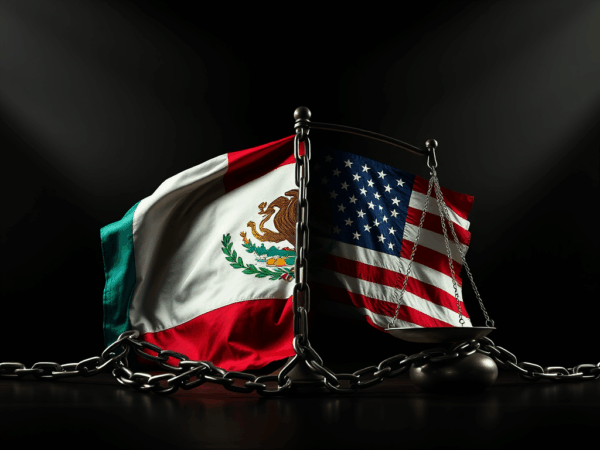
President Claudia Sheinbaum Pardo’s measured response to Donald Trump contrasts with past impulsive strategies, sparking debate on troop deployments. Trump’s ambition to revamp U.S. influence sacrifices external impacts for internal goals. Without strong leadership and structural changes in Mexico to address socio-economic issues, the same crises may recur, imposing challenges from both the U.S. and drug traffickers.

Terrorism and National Security

The United States pressures Mexico over terrorism due to national security concerns, viewing drug cartels as threats. The proposals for annexing Greenland and Canada reflect security strategies against Russian and Chinese advances. Economic pressures on Mexico include potential sanctions on companies linked to drug trafficking and remittances, impacting significant economic ties.

Complications

The Mexican government faces a paradox: it seeks unity amidst growing division and polarization it fostered. The ruling party’s self-inflicted complications hamper economic growth and political progress, resulting in a monopoly over state structures. Without addressing these contradictions and fostering investment, achieving national unity and sustainable development remains unlikely.

Trumpism Possible Scenarios

Trump’s presidency raises questions about America’s future — whether it signifies decline or rejuvenation. Drawing parallels with past populist figures, his approach may shift U.S. foreign policy towards aggressive hegemony. However, limited domestic support and constitutional crises could hinder his transformative ambitions, reflecting the complexities of his political influence.

Trump, at war with the United States,

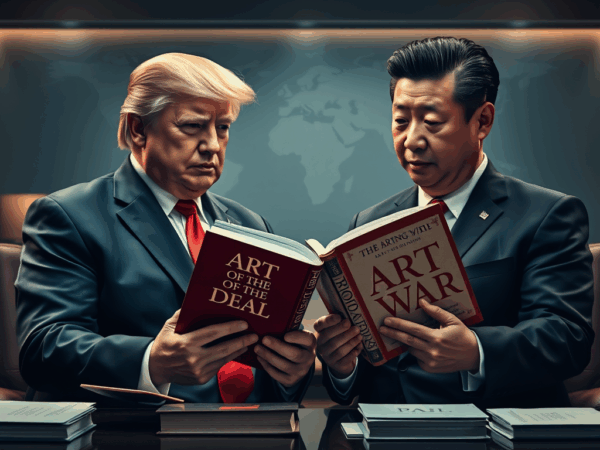
Donald Trump’s presidency has seen aggressive maneuvers aimed at undermining U.S. allies, exemplified by delayed tariffs that threaten Mexico’s economy and weakened support for Ukraine. His actions reflect a self-serving ideology, with dangerous implications for international relations, cultural diversity, and democracy, fostering divisions and vulnerability in both the U.S. and Latin America.

The Impact of Drug Cartels on US-Mexico Relations.

The alliance between drug trafficking organizations and the Mexican government raises serious concerns about national security in the U.S., according to Federico Reyes Heroles. He criticizes former President AMLO’s strategy of “hugs, not bullets” and warns that Mexico must address issues like judicial reform and perceptions of a narco-state to regain sovereignty.

Shares