
Luis Rubio
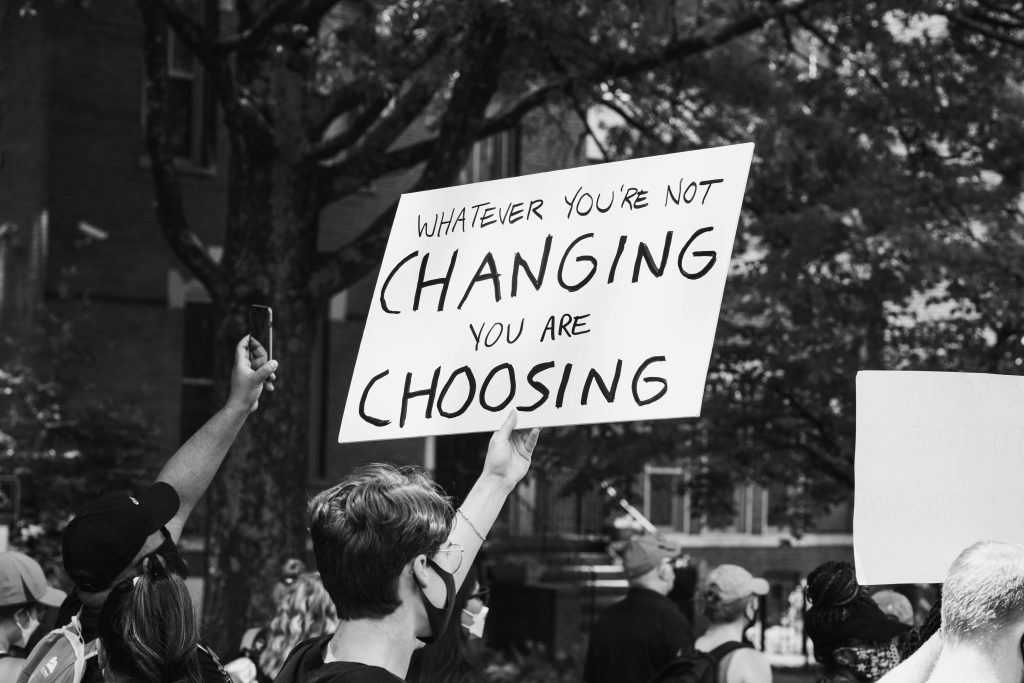
At the end of the day, governing is about choosing—and choosing means picking between alternatives that are often unattractive, or at best, mutually incompatible. Candidates on the campaign trail imagine a world of infinite possibilities and dream of sweeping away every problem their nation faces with the stroke of a pen. Once in office, however, they discover that problems are far more complex than expected, that public demands—as well as those of their own party and the machinery of government—are far more intense than they ever imagined. In the office, the leader is forced to act, which means making trade-offs: deciding between goals that are equally desirable but cannot coexist simultaneously. That is the reality reflected in the first real budget of the current administration.
Meanwhile, presidential rhetoric continues to promise a wide range of benefits and grand projects. Trains, expanded cash transfers, investments, guaranteed electricity supply—these pledges carry enormous costs that the budget simply cannot cover. The urgency of stabilizing public finances has already revealed a harsher reality than campaign slogans. Instead of cheerful projections, the government faces the need to shrink a massive fiscal deficit inherited from its predecessor, tackle Pemex’s ballooning debts to suppliers, manage unpayable transfer commitments, and contend with a rapidly slowing economy. None of this has dented the president’s popularity so far, but her ability to sustain it is on a knife-edge.

Then come the “solutions.” The easy answer is always to make others pay: the famed tax reform that, in theory, could solve every problem in one stroke. There is nothing inherently wrong with the idea of fiscal reform—collections can always be made more efficient, better incentives built into the tax structure, and compliance made easier. But again, the problem lies in trade-offs: higher taxes may be a bureaucratic reflex, but they result in lower investment and, consequently, slower economic growth. The proposed new taxes dressed up as health policy fail to make their case when the additional revenues are labeled for health spending. Beyond taxation, the real question for any government must be how to create conditions for greater prosperity—conditions that generate higher revenues even with the same or similar tax burden.
And that is where the difficulties begin: how to foster prosperity in a politically polarized environment where visions of the world are fundamentally at odds. This government starts from the principle that politics should dictate economic decisions. Yet, investors operate under a different logic: they compare alternatives and choose the ones that are most favorable to them. When a country erects barriers to investment or stifles business operations, investors simply look elsewhere. True, the global environment has changed since the era of unfettered markets and free trade, but not enough to completely overturn investment decisions. Even Trump’s rhetoric and policies, which dampened certain kinds of investment, could be offset by attractive conditions in other places. In Mexico, by contrast, we seem to be competing for the title of least attractive destination for precisely the kinds of investment that would boost productivity, create new wealth, and generate new jobs.

At bottom, it is these clashing visions that block the country’s progress in this era of nearshoring and USMCA renegotiation. Property regulations in Mexico City illustrate the problem: the Morena-dominated legislature has restricted Airbnb to the point of making it unappealing for investors, while introducing other measures that reflect a mindset of control rather than one of encouraging property and growth. The logic of these decisions may be defensible, but so are their consequences—and they are no less real.
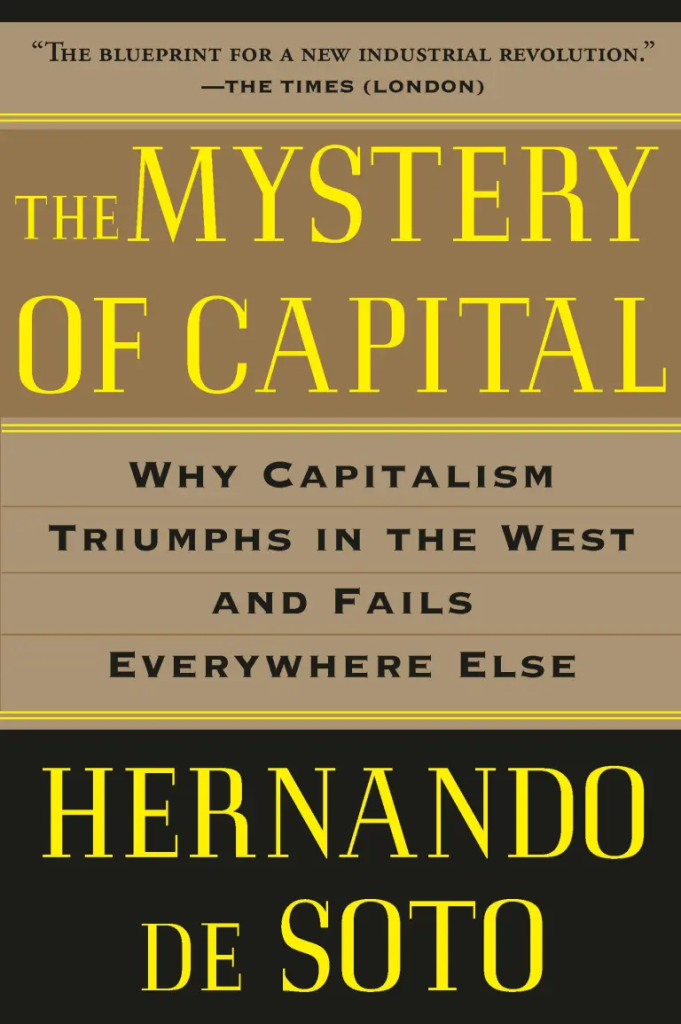
Years ago, Hernando de Soto captured this clash of visions with an anecdote that remains as relevant as ever: “When I was a child in Peru, I was told that the farms I visited belonged to farming communities and not to the individual farmers. Yet as I walked from field to field, a different dog would bark. The dogs were ignorant of the prevailing law; all they knew was the land their masters controlled. In the next 150 years, those nations that recognize what the dogs already know will be those that enjoy the benefits of the modern market economy.”
What is ultimately at stake is the government’s capacity (and willingness) to deliver real results. Circumstances demand choices. Better to begin shaping them now, before it is too late.
@lrubiof
Further Reading: