

Federico Reyes Heroles
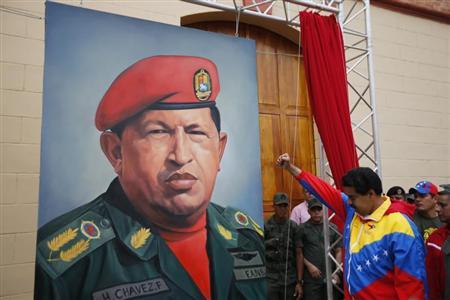
Julio María Sanguinetti, that great figure, said: “…contrary to what is said, the 1980s were not a lost decade—he was referring to the economy—…for Latin America, it was a decade of democratic progress. But now, everything looks different.” This must have been around 2010. Castro was still in power. Nicaragua was already under the Ortega dictatorship. Honduras was in the throes of coups and violence. Argentina was back to the corruption of Peronism. And Hugo Chávez, yes, the same man who attempted a coup against Carlos Andrés Pérez, was ruling Venezuela and suffocating democracy in his country. Riding on a wave of brutal repression in all areas, he set new records. The country, considered in the 1950s, along with Colombia and Costa Rica, one of only three democracies on the continent, was subjugated by the United Socialist Party of Venezuela, Chávez’s instrument for silencing any opposition. The former coup army officer had already formed the Bolivarian Movement. President Rafael Caldera dismissed the case and released Chávez. The Fifth Republic Movement was born and brought him to the presidency in 1998. Re-elected in 2000, he won a referendum in 2004 and was re-elected again in 2006. Democracy opened the door for him, and he destroyed it. Only death removed him from power in 2013.
A new constitution revealed his perverse intentions. Electoral institutions were co-opted or destroyed, as was the judiciary. Exceptionally high oil prices enabled a boom period during which poverty declined, and social programs brought medicine and food to households. But reality set in, spending was unsustainable, and collapse ensued. Crime increased, corruption flourished, and “enabling laws” facilitated censorship and the persecution of critics. The end of freedoms had arrived. The “neighborhood” fell into line: the Castros in Cuba, Evo Morales in Bolivia, Rafael Correa in Ecuador, Tabaré Vázquez in Uruguay, Lula da Silva in Brazil, and, of course, the Ortegas in Nicaragua. Honduras was caught in a cycle of coups and violence. Haiti in disaster
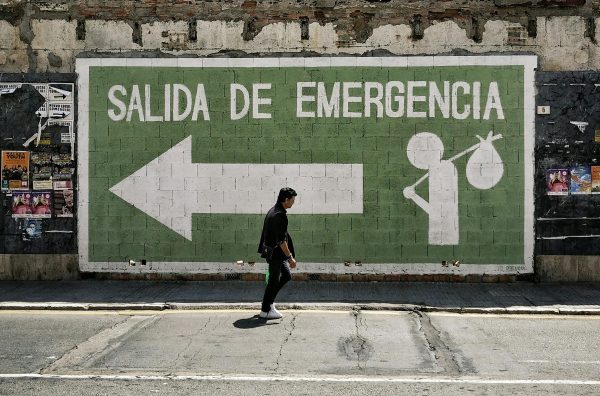
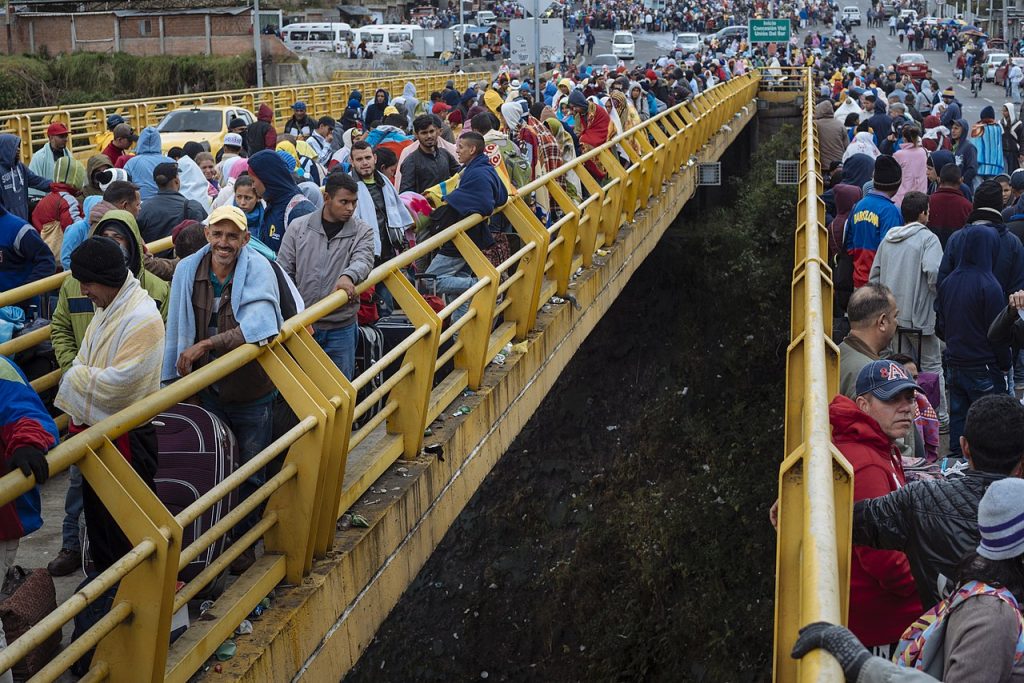
Maduro, the heir apparent, aggravated the situation: 9.3 million people in food insecurity, an exodus of around eight million Venezuelans, almost a third of the population—a tragedy. Fortunately, the Venezuelan opposition also grew stronger at the same time.
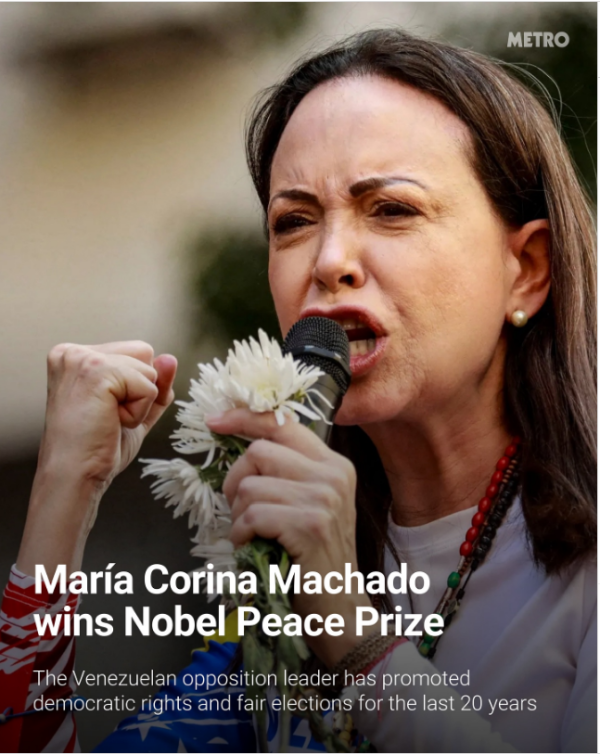
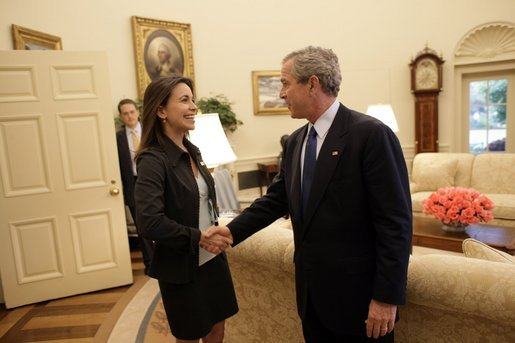
One figure rose to prominence on the world stage: María Corina Machado. She started with a foundation to care for children in poverty; she founded the NGO Súmate to fight for electoral transparency and to push for the revocation of the highly questionable referendum that gave Chávez the green light. The ruling party removed her from Congress and accused her of “treason” for meeting with George W. Bush.
Later, through Vente Venezuela, she achieved remarkable social participation, consistently through peaceful means. This remarkable woman has exposed the atrocities of the dictatorial regime. In the underground, she has endured all kinds of intrigues and threats.

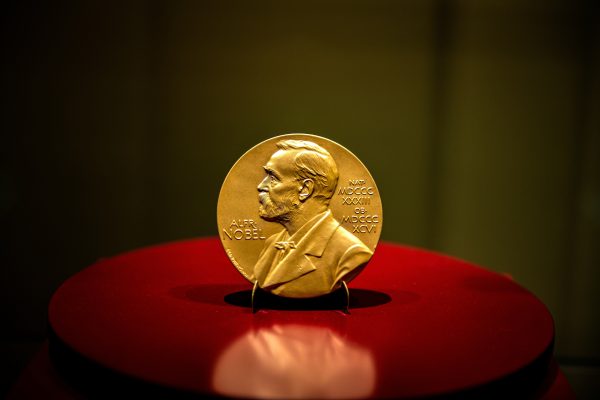
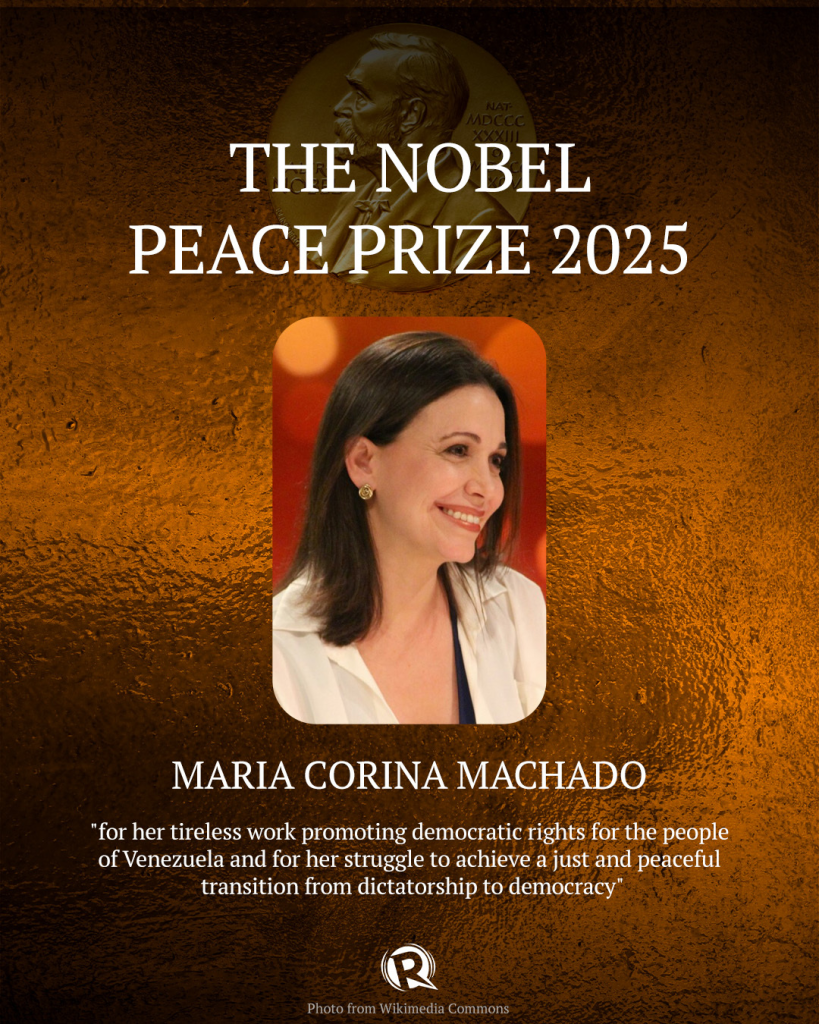
That is what the Nobel Committee rewarded: “…for her tireless work to promote democratic rights for the people of Venezuela…,” argued its president. “When authoritarians take power, it is crucial to recognize the courageous defenders of freedom who stand up and resist.”
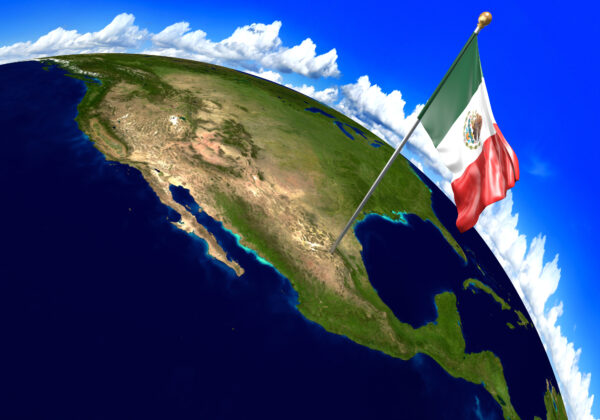
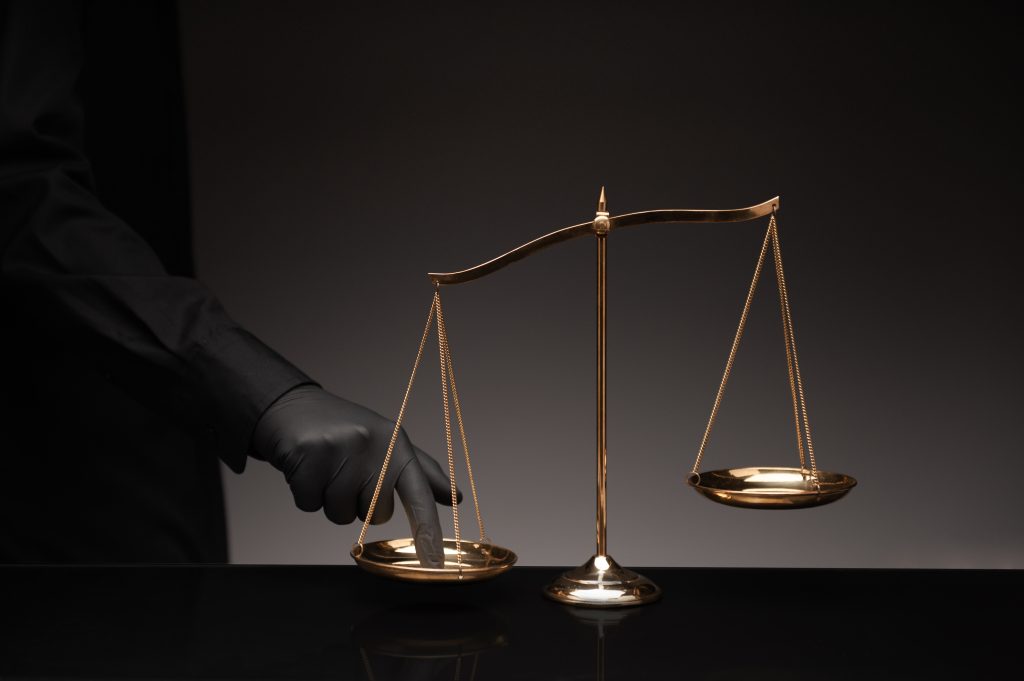
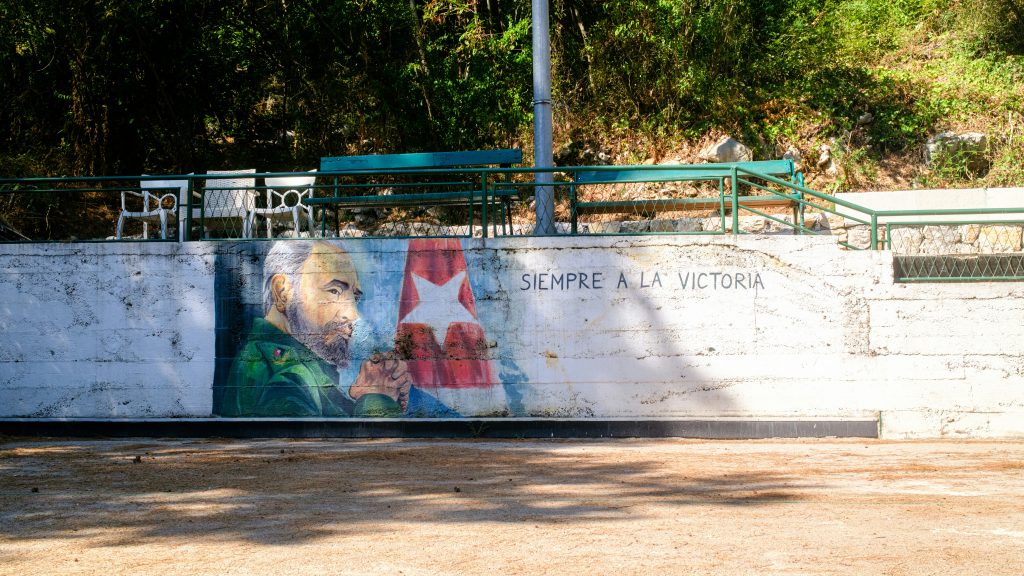
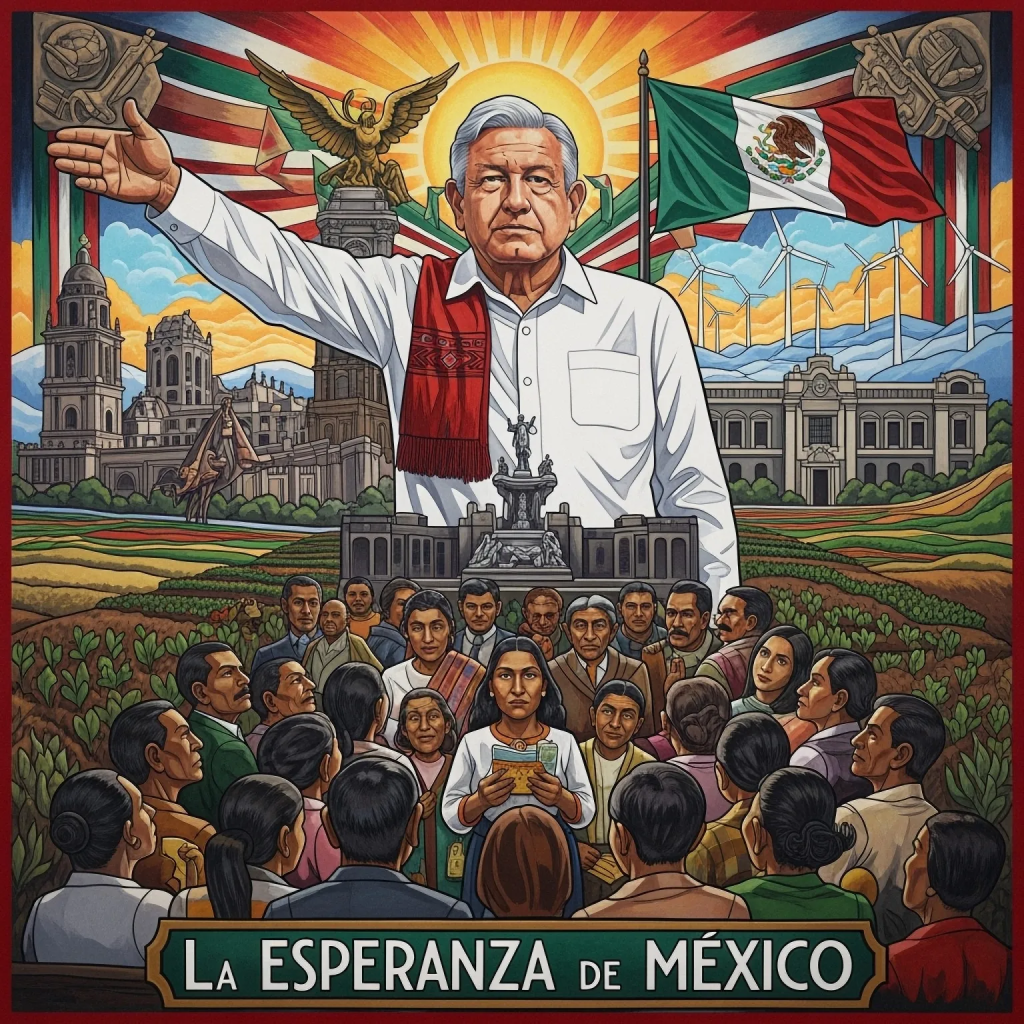
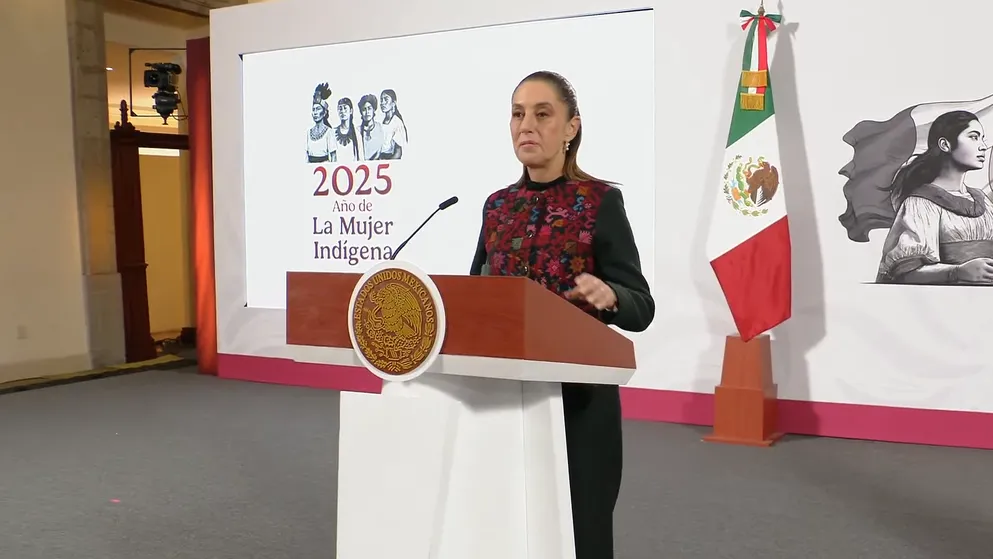
The crossroads were clear: recognizing the value of Machado’s struggle meant accepting that Maduro is trampling universal values. We are still waiting for the records that prove his victory in 2024. She aligned herself with ideology. She took refuge in the flexible Estrada doctrine: non-intervention. But in the case of Peru, the legal removal of Boluarte, her interference is acceptable. Again, ideology, not principles. But the historical causes of the old Mexican left were similar. Left-wing dictators, welcome. A superior morality assists them.
Loyalties or principles? There were no nuances.
No comment.
Further Reading: