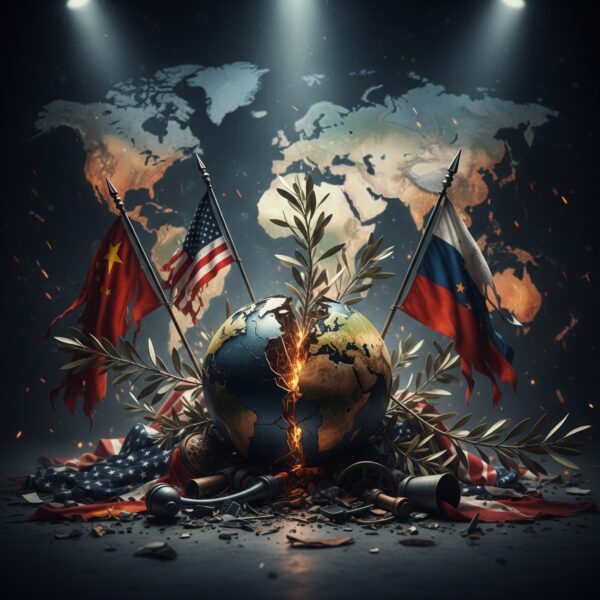
Unmasking the Dual Standards in Latin American Diplomacy.

Brazil, Chile, Colombia, Uruguay, Mexico, and Spain issued a joint statement condemning unilateral military actions in Venezuela, emphasizing adherence to international law and advocating for dialogue led by Venezuelans. However, the critique highlights the hypocrisy of these nations, which previously failed to challenge Nicolás Maduro’s human rights violations and electoral fraud.

Maduro Has Fallen. What’s Next?

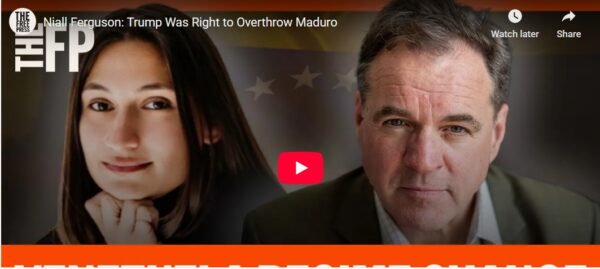
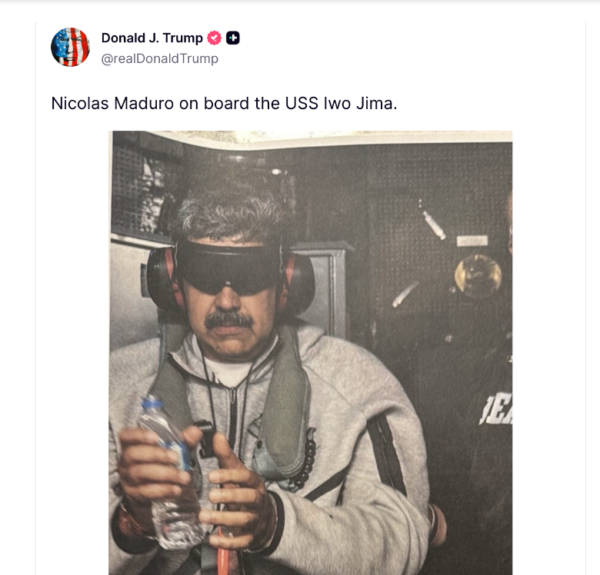
With Nicolás Maduro’s forced removal from Venezuela, a new historical stage begins in the relationship between the United States and Latin America. As Marco Rubio said at the press conference on the same day as the military action in Caracas, “those who did not believe we would act, take note: we did act, and we are serious.

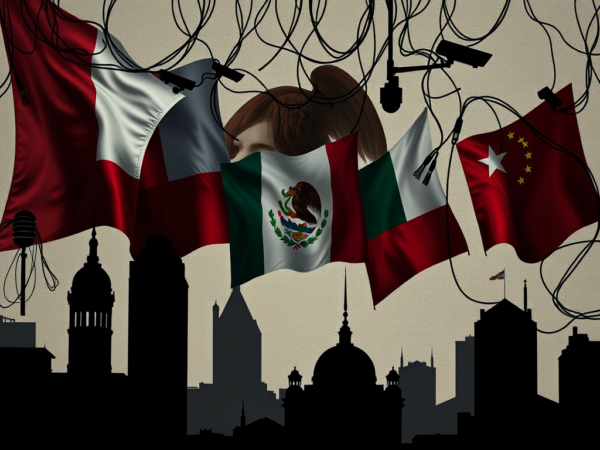
Mexico’s Espionage Crisis: The Unseen Consequences.

The Mexican Foreign Ministry disclosed a confidential list of 14 countries with security personnel in Mexico, revealing a potential weakness in diplomatic relations. Notably absent are nations like Russia, Cuba, and Venezuela, prompting questions about Mexico’s transparency and complicity in espionage. This situation undermines Mexico’s credibility and complicates future foreign negotiations.

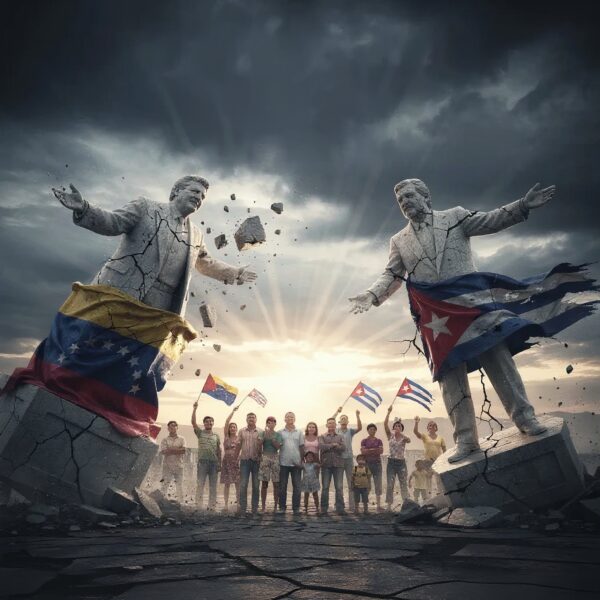
If Maduro Falls, Cuba Will Follow.

Cuban President Díaz-Canel warned of an impending economic crisis, linking it to the US Navy’s seizure of a Venezuelan oil tanker. The two nations share a deeply asymmetrical interdependence; Cuba relies on Venezuela for oil and financial support, while Venezuela benefits from Cuba’s professional services. The anticipated collapse of Maduro could also threaten Cuba’s stability, hinting at a potential political upheaval in the region.

The Role of Foreign Intervention in Latin America: A Dilemma for Democracies.

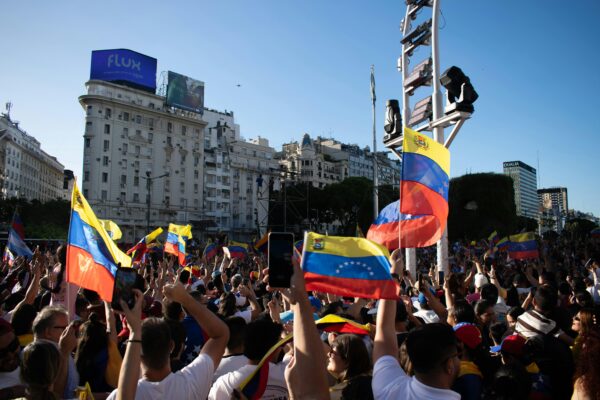
Venezuela’s political turmoil raises questions about interventionism versus national sovereignty. María Corina Machado faces criticism for supporting US measures against Maduro, seen by some as a new colonialism. Supporters argue Maduro’s regime is illegitimate, backed by external powers. A democratic alternative is essential to prevent dictatorship and foreign invasions in Latin America.

The Year of War.

ith less than four weeks to go before we bid farewell to 2025—amidst the fury, the din, the missiles, and the drones—it is inevitable that we pause and take stock of how, in our political and social sphere, we will close out the year. Now that the first quarter of the century is over, we understand that we are not living in exceptional circumstances. Each period leading up to the world wars was unique in its time, yet they all shared the same air of menace.

Honduras Elections: Trump vs. Sheinbaum Confrontation Explained.

Honduras’ presidential elections have turned into a proxy battle between Claudia Sheinbaum and Donald Trump, reminiscent of Cold War dynamics. Xiomara Castro’s swift visit to Mexico before the elections highlighted ideological ties within a socialist bloc, while Trump pressured voters to reject Castro’s party, emphasizing economic issues and immigration policies.

Let’s Celebrate.

The content reflects on Mexico’s complex relationship with revolution, contrasting its cultural reverence with historical failures observed globally. It critiques the current administration’s approach, highlighting stagnation in economic growth, education, and increasing violence and corruption. The author calls for an evolution in societal progress rather than celebrating revolutionary myths.

On How Mexico’s Government Deceives The World.

Mexico’s President Claudia Sheinbaum’s absence from key international forums has drawn criticism, particularly regarding drug trafficking and violence. This lack of engagement coincides with a demoralized diplomatic corps and a government hesitant to openly address controversial issues. Mexico’s foreign policy operates in secrecy, reflecting a disconnect with its economic partners and democratic values.

The Global Organized Crime Index 2025.

The global criminal landscape is increasingly adaptive and complex, shaped by socio-economic shifts and technological advancements. The 2025 Index highlights critical changes in drug markets, the rise of non-violent crimes, and growing foreign and private sector involvement. It indicates an urgent need for new resilience strategies to counter evolving organized crime.

Shares