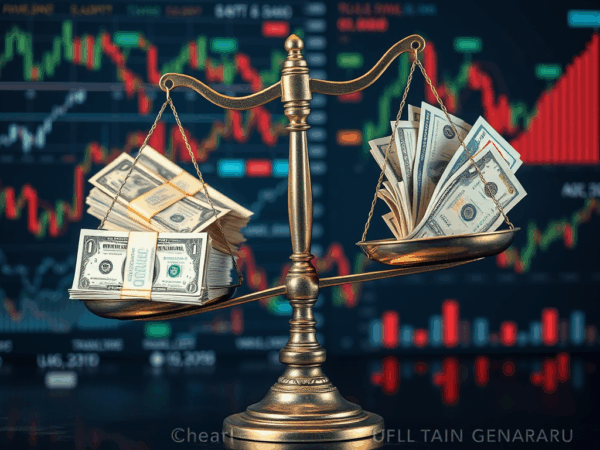
関税が米国と世界経済に与える本当のコスト(第3部)。
この文章では、トランプ政権の貿易政策がアメリカ経済に及ぼす影響や、中国との関係悪化について考察されています。特に、関税の影響でスタグフレーションが懸念され、アメリカが抱える同盟国との信頼の低下や、中国の技術および経済的優位性が強調されています。
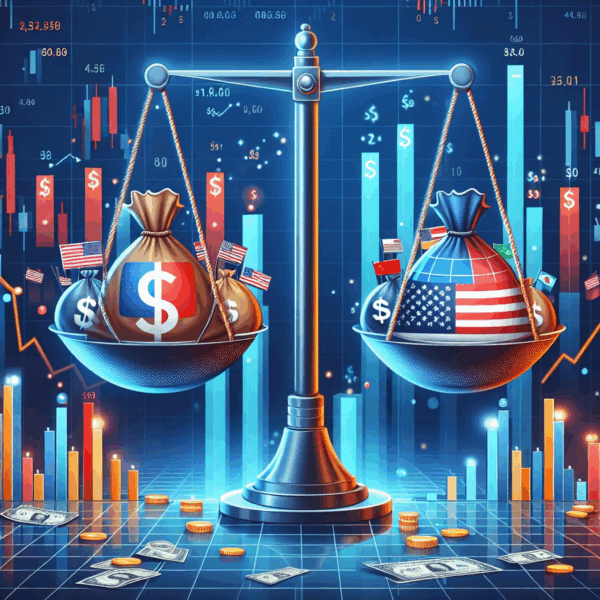
この文章では、トランプ政権の貿易政策がアメリカ経済に及ぼす影響や、中国との関係悪化について考察されています。特に、関税の影響でスタグフレーションが懸念され、アメリカが抱える同盟国との信頼の低下や、中国の技術および経済的優位性が強調されています。
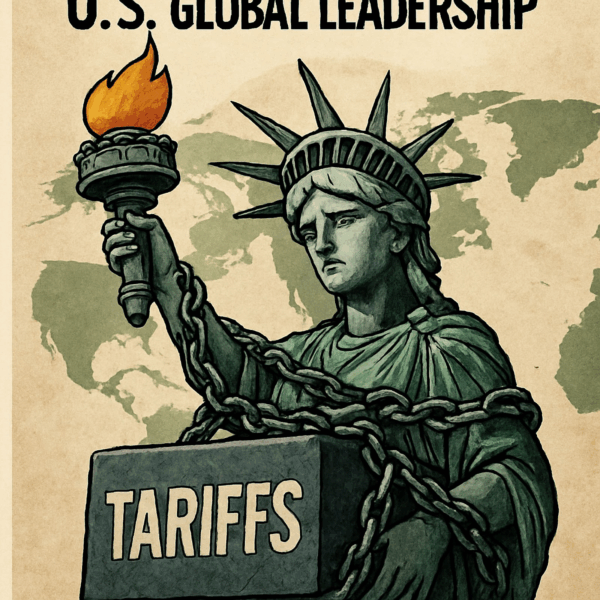
トランプの対中関税は彼の支持者を煽るための愚かな決定で、米国消費者に負担を強いる結果を招いている。彼が関税を撤回すると、米国内のインフレが加速し、信頼性を失ったリーダーシップが金融市場に悪影響を及ぼす一因となる。
特朗普的关税政策对美国和全球经济产生了深远影响,造成通货膨胀和经济衰退风险,打击供应链并加剧美国债务负担。尽管旨在振兴美国制造业,实际效果却带来了不确定性和不稳定性,这使全球经济面临衰退的可能。
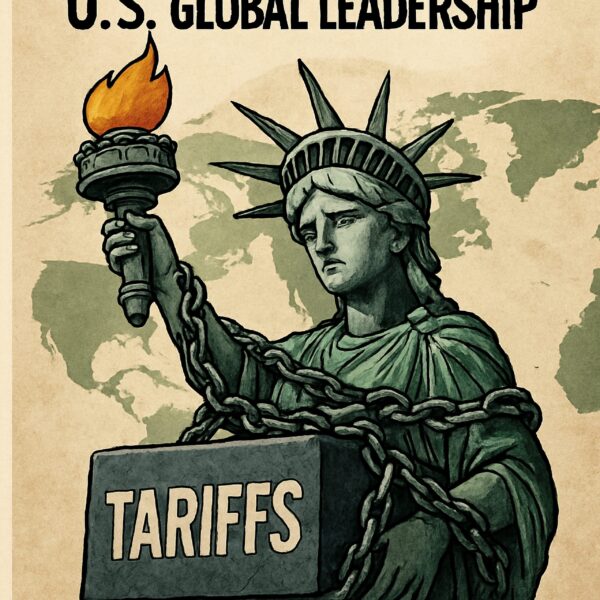
The series “The Real Cost of Tariffs on US and World Economies” explores the adverse effects of Trump’s tariffs, indicating they contribute to inflation, recession, and stagflation. While designed to protect US jobs, they threaten economic stability, provoke tensions with allies, and may enhance China’s global manufacturing strength, undermining US competitiveness.
The content discusses the current state of the U.S. economy and its global implications. It highlights President Trump’s tumultuous presidency and significant tariff impacts. Mixed economic trends are noted, with rising unemployment and declining consumer confidence. Trade tensions, especially with China, and immigration issues affect forecasts. Mexico shows cautious economic growth amid uncertainties.
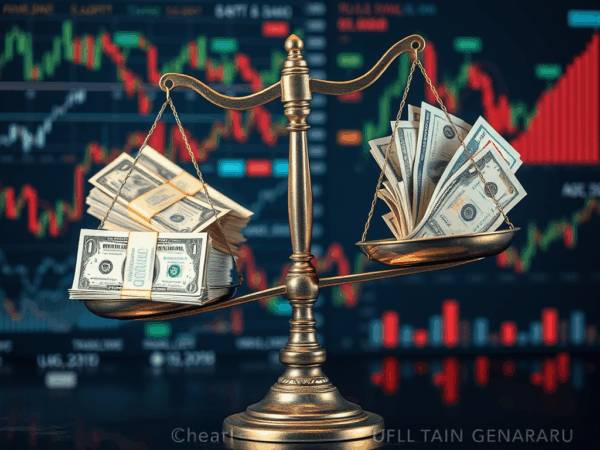
The article critiques Trump’s tariff policies and argues they strengthen China’s market position by pushing them to diversify exports and invest overseas. It highlights how U.S. strategy has weakened alliances, eroded credibility, and led to economic instability, while China has gained technological and manufacturing superiority, positioning itself as a global leader.
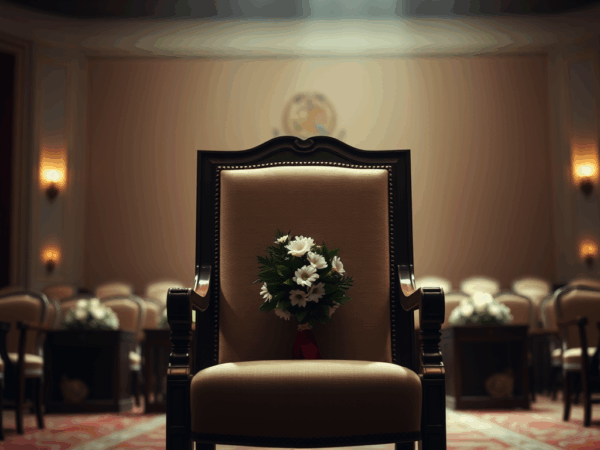
Ciro Gómez Leyva questions why Mexico’s president did not attend the funeral of Pope Francis, considering Mexico’s strong Catholic population. The article critiques the government’s neoliberal stance amid worsening social issues. It highlights Francis’ views on compassion and critiques of individualism, while addressing the separation of church and state in Mexico’s socio-political landscape.
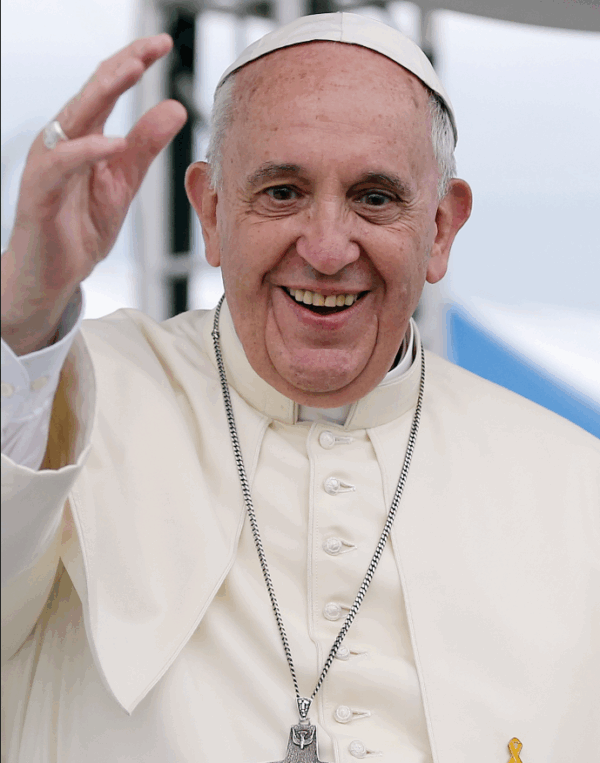
Pope Francis, elected in 2013, redefined the papacy with his humble approach and challenge to traditional ecclesiastical norms. Born in Argentina, he connected with the spiritual needs of modern society amidst political crises and institutional corruption. His legacy emphasizes the urgent search for meaning among younger generations disillusioned by established authorities.
Donald Trump’s attendance at Pope Francis’ funeral highlighted tensions in U.S.-Mexico relations, contrasting with Claudia Sheinbaum’s absence due to her cautious approach. Both leaders, despite differing styles, share similar ideologies and tactics aimed at dismantling state institutions and maintaining control over the judiciary and media, threatening democratic principles in their countries.
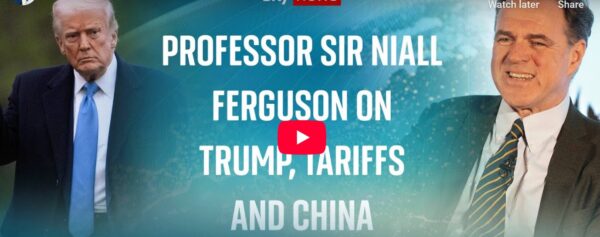
Richard Engel and Yalda Hakim engage with esteemed historian Sir Niall to explore pressing global issues, including culture and trade wars, as well as the potential for conflict over Taiwan. Sir Niall reflects on the Trump presidency, suggesting that the US may face significant polling challenges in the coming year.