The Gurus, on the Trade War.

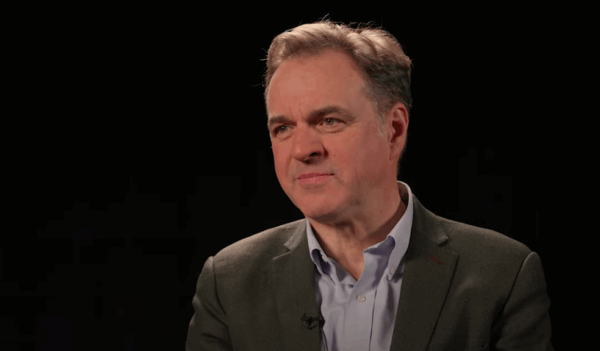
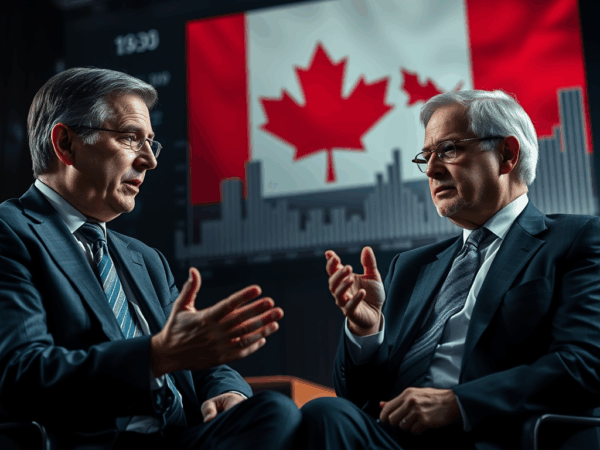
Nobel laureate Paul Krugman and former Treasury Secretary Lawrence H. Summers discuss the ongoing US trade war, its detrimental effects on consumer confidence, and recession risks, particularly in the manufacturing sector. Canada’s new Prime Minister, Mark Carney, emphasizes a unwavering stance against Trump, indicating escalating tensions in international relations.

Honda, Nissan, and a Mexican.

Honda and Nissan, both significant Japanese automakers with distinct histories, recently attempted a merger to enhance competitiveness amidst evolving automotive challenges. However, the deal collapsed due to Honda’s reluctance for shared hierarchy. Post-failure, Nissan appointed Iván Espinoza as CEO, tasked with navigating competition from American and Chinese manufacturers in the industry.

If Trump’s foreign policy pushes allies away, can the US go it alone?

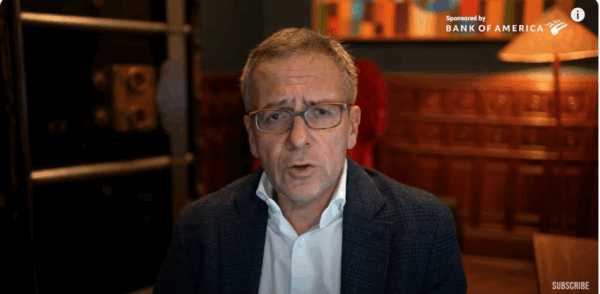
Ian Bremmer highlights the Trump administration’s foreign policy focus on American unilateralism at the expense of traditional alliances, particularly in relation to Ukraine. He emphasizes that the future of transatlantic relations and NATO will depend more on European actions than U.S. involvement as the crisis unfolds.

Peter Thiel and the Conservative Revolution in the United States.

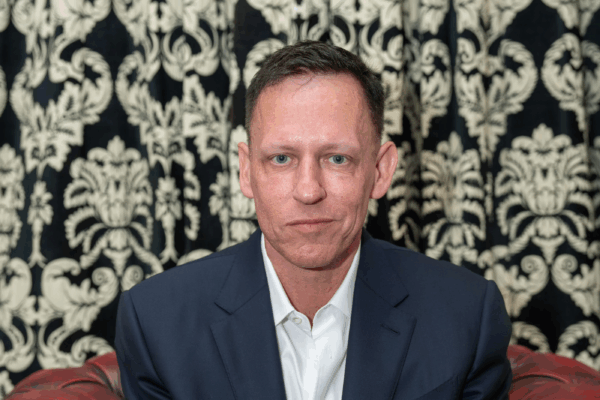
In a speech, US Vice President J. D. Vance criticized European culture for undermining liberal democracy, claiming the true heir to Western civilization is the America envisioned by Donald Trump. Influencing Vance is Peter Thiel, whose disruptive ideology blends conservatism and libertarianism, significantly shaping Trumpism and American political discourse.

The Role of Fear in Political Control

The emergence of industrial society brought security as a crucial factor for stability, emphasizing legal protections and trust in governance. However, recent political shifts, particularly under Trump, have led to increased unpredictability and fear. This uncertainty impacts global politics, leaving countries in a precarious state, navigating potential instability.

The Damage is done, Trump’s Tariff Threats: Economic and Political Consequences

Trump’s tariff threats manipulate global dynamics, impacting countries like Canada and Mexico, while failing to resolve the Ukraine conflict. His demands from Russia and Hamas reveal a lack of understanding of complex geopolitical realities. The resulting economic and political crises in Mexico demonstrate the potential for long-term damage, requiring substantial policy changes for recovery.

From Cooperation to Thuggery

The article discusses the potential collapse of the post-World War II international structure due to the rise of Trumpism. It highlights a crisis in democracy, the erosion of ethical standards, and questions the effectiveness of international cooperation, particularly in supporting developing nations. The implications for global governance and democracy are dire if current trends continue.

The Betrayal of the Ally.

The article discusses the shifting dynamics of international conflict, particularly the U.S. stance on Ukraine amidst its struggle against Russian aggression. It highlights Europe’s growing centrality in ensuring Ukrainian resistance and the complexities involved, including Trump’s demands and the broader implications for democratic values versus authoritarian populism.

Understanding Sovereignty in Global Politics

The content discusses the contrasting dynamics of sovereignty between Ukraine and Mexico amid political tensions. It highlights Western support for Ukraine against Russian aggression, emphasizing the need for effective governance. In contrast, it critiques Mexico’s issues with drug cartels and governance, suggesting a decline in sovereignty and effective justice.

Shares