A Summary of the Iran War, So Far.

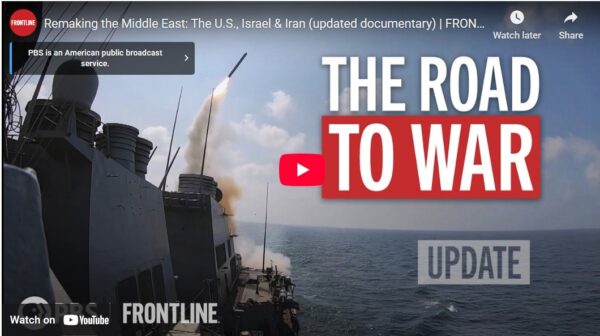
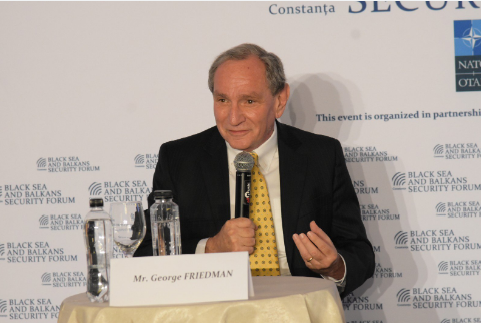
The content discusses the ongoing Iran War from a geopolitical perspective, featuring insights from George Friedman of Geopolitical Futures. It also includes links to further readings on various global issues, such as U.S. strategy, economic outlooks, and national security, highlighting the complexities of international relations.

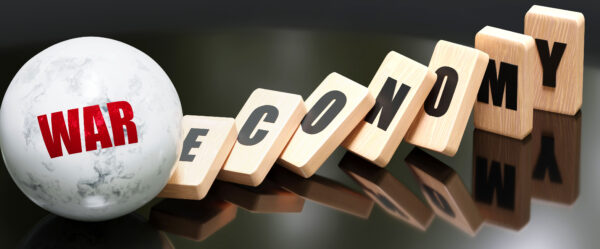
The “Domino Effect” of the War in Iran.

The US and Israeli military actions against Iran in February 2026 have escalated into a potential global conflict, adversely affecting the world economy. With the Strait of Hormuz at the center, energy prices have surged due to disrupted oil and gas supplies, leading to inflation and economic stagnation worldwide, particularly impacting Europe, Asia, and vulnerable emerging markets.

The Worst of the War.

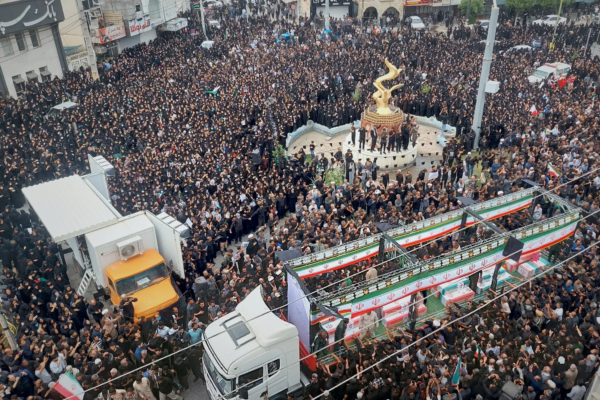
What some in Washington once imagined as a possible political evolution ended up becoming the establishment of a radical clerical power that redefined the strategic balance in the Middle East for decades. Since then, the world has paid—and will probably continue to pay for a long time to come—the consequences of that historic turn of events. The worst thing about war is not what has already happened, but what may come in the form of revenge, score-settling, and miscalculation.

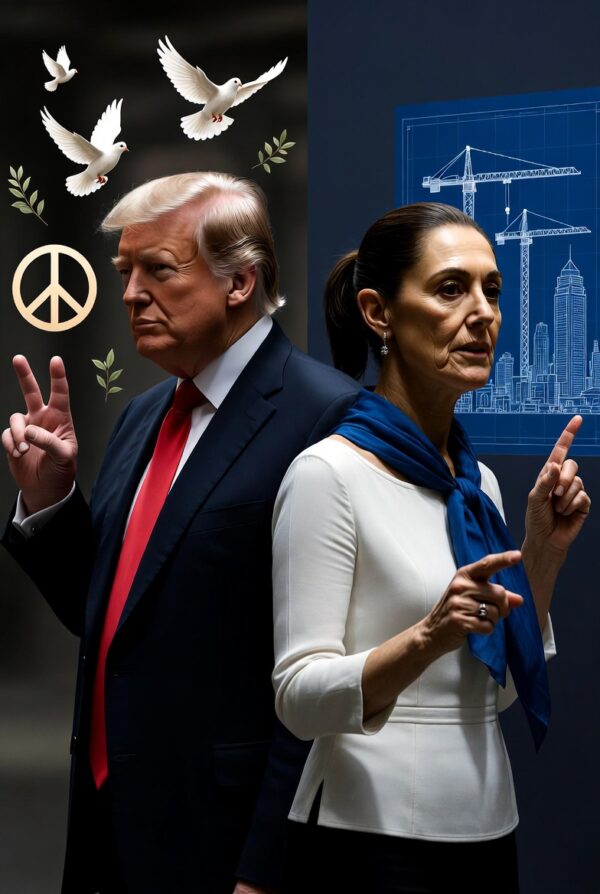
The Moral Superiority of Trump and Claudia Sheinbaum Explored.

The content critiques the contradictory behaviors of leaders Donald Trump and Claudia Sheinbaum, highlighting their moral superiority perceptions that justify authoritarian actions. Trump’s peace campaign has led to aggressive foreign policies, while Sheinbaum positions herself as a transformative force in Mexico, both forgetting their initial promises in pursuit of power.

Three Videos on Iran, Trump, and The World.

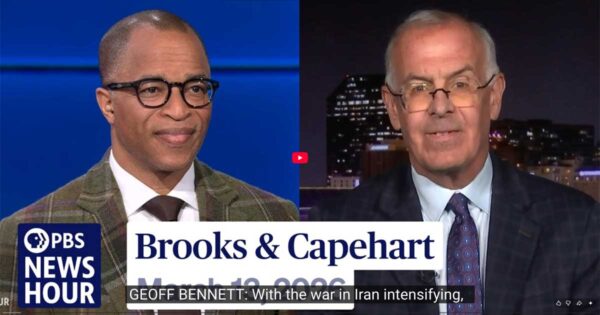
Thomas Friedman discusses U.S. strikes in Iran on Morning Joe. Canadian Prime Minister Mark Carney speaks at the Lowy Institute about global tensions and strategic alliances with countries like India and Australia, emphasizing diplomacy. David Brooks and Jonathan Capehart analyze the U.S. political landscape, focusing on the economic uncertainty amid recent military actions.

Luis Maizel’s Monthly Letter: A World That Changes In A Flash.

The recent attack on Iran eases global tensions, impacting groups funded by the regime. While the U.S. economy shows signs of strength, disparities between social classes persist. In Mexico, significant events like the death of a drug lord and mixed economic signals define the landscape. Global markets face volatility amid geopolitical shifts.

Israel-Iran: One of them has to disappear.

When this war ends, which I hope will be soon, one of the two countries—Iran or Israel—will have had to change its political, military, or security structure substantially. What is at stake is not a minor adjustment, but the very survival of the Iranian regime or, at the extreme, the strategic viability of Israel in a regional environment that has become reactive.

The Delcy Rodríguez Model for Political Transition.

The Trump administration’s plan for Venezuela involves Vice President Delcy Rodríguez governing until new elections can be conducted, aiming to prevent chaos after Nicolás Maduro’s removal. The strategy hinges on U.S. control over oil revenues and avoiding military intervention, paralleling potential transitional models in Cuba and Iran.

The New Free Associated State of Venezuela.

The January 3 event signifies a shift in global warfare, emphasizing non-traditional methods of control over direct military intervention. The U.S. approach to Venezuela illustrates this “invasion without invaders” model, where geopolitical influence is exerted through advanced technology and manipulation of financial flows, rather than conventional occupation or conflict.

Mexico In Its Solitude.

President Sheinbaum’s speech in Querétaro on February 5 highlighted the political confusion within her government. It combined outdated leftist rhetoric with nationalistic ideas, portraying Mexico as under siege. Critics argue she fosters division and exclusion while failing to address the country’s global responsibilities and strategic needs, risking Mexico’s isolation.

Shares