
Mexico’s Espionage Crisis: The Unseen Consequences.

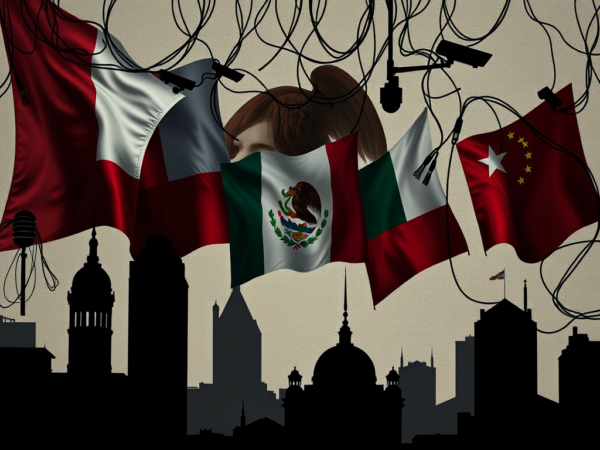
The Mexican Foreign Ministry disclosed a confidential list of 14 countries with security personnel in Mexico, revealing a potential weakness in diplomatic relations. Notably absent are nations like Russia, Cuba, and Venezuela, prompting questions about Mexico’s transparency and complicity in espionage. This situation undermines Mexico’s credibility and complicates future foreign negotiations.

The Role of Foreign Intervention in Latin America: A Dilemma for Democracies.

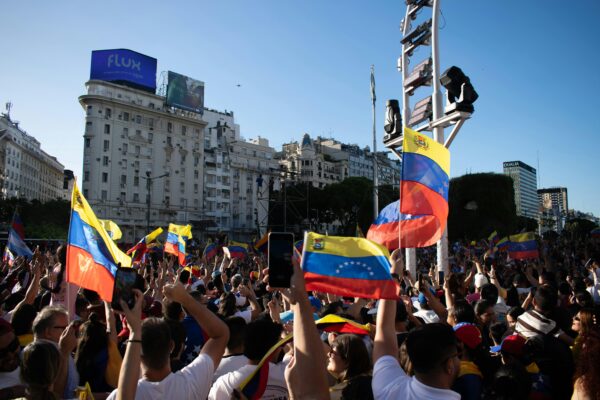
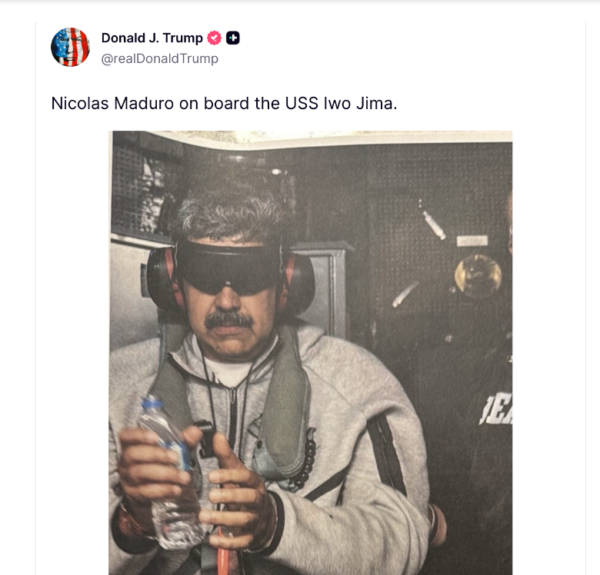
Venezuela’s political turmoil raises questions about interventionism versus national sovereignty. María Corina Machado faces criticism for supporting US measures against Maduro, seen by some as a new colonialism. Supporters argue Maduro’s regime is illegitimate, backed by external powers. A democratic alternative is essential to prevent dictatorship and foreign invasions in Latin America.

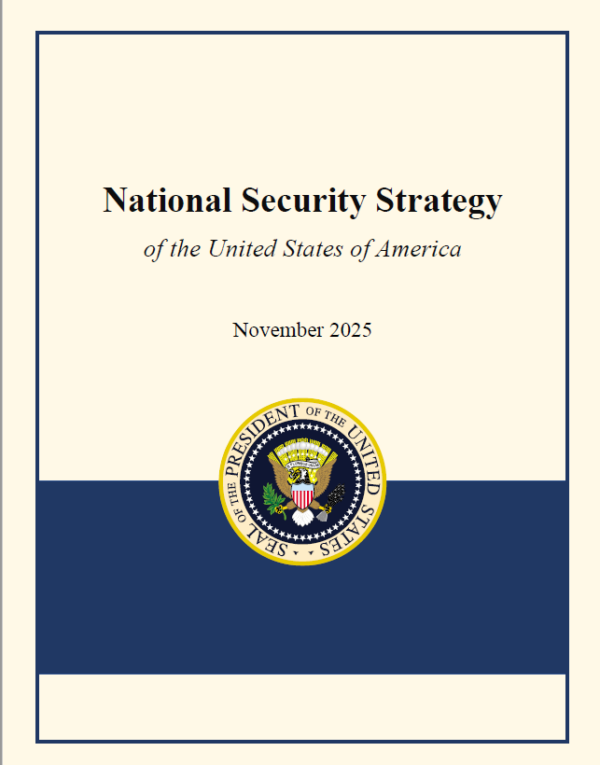
U.S. National Security Strategy.

This official report of the United States Government outlines the priorities of the Trump administration concerning foreign policy, revealing a shift in its geopolitical strategy and values.

Honduras Elections: Trump vs. Sheinbaum Confrontation Explained.

Honduras’ presidential elections have turned into a proxy battle between Claudia Sheinbaum and Donald Trump, reminiscent of Cold War dynamics. Xiomara Castro’s swift visit to Mexico before the elections highlighted ideological ties within a socialist bloc, while Trump pressured voters to reject Castro’s party, emphasizing economic issues and immigration policies.

On How Mexico’s Government Deceives The World.

Mexico’s President Claudia Sheinbaum’s absence from key international forums has drawn criticism, particularly regarding drug trafficking and violence. This lack of engagement coincides with a demoralized diplomatic corps and a government hesitant to openly address controversial issues. Mexico’s foreign policy operates in secrecy, reflecting a disconnect with its economic partners and democratic values.

Dictatorships Seem Eternal.

In four days, it will be fifty years since the death of a dictator. Francisco Franco died between midnight on November 19 and the early hours of November 20, 1975. His death was recorded, made up, dressed up, and solemnly announced to the Spanish people. The message was read, with tears in his eyes, by the president of the government appointed by Franco himself: “Spaniards… Franco is dead.”

The Global Organized Crime Index 2025.

The global criminal landscape is increasingly adaptive and complex, shaped by socio-economic shifts and technological advancements. The 2025 Index highlights critical changes in drug markets, the rise of non-violent crimes, and growing foreign and private sector involvement. It indicates an urgent need for new resilience strategies to counter evolving organized crime.

The Costs of Loyalty.

The discourse examines the theme of loyalty versus faithfulness in governance, highlighting scandals involving prominent figures like King Charles III and various Latin American presidents. It emphasizes the necessity of judicial integrity amidst political corruption, especially in Mexico, where a decline in trust is noted due to governmental actions undermining rule of law.

Mexico’s Political Identity: Where Do We Belong?

Blood, but above all, personal will and instinct are powerful magnets. They define who we follow, who convinces us, and who does not suit us. And today, more than ever, Mexico needs to ask itself who it is. To which orbit does it belong, and which world does it want to join?

The Crisis in Mexico: Governance Under Sheinbaum’s Leadership.

Claudia Sheinbaum faces an escalating political crisis as López Obrador threatens armed insurrection should she deviate from his ideological framework. Historical parallels with past Mexican presidencies highlight her precarious position. As internal chaos and economic stagnation grow, Sheinbaum struggles to assert authority while balancing national loyalties amid increasing social unrest.

Shares