Z世代:对威权叙事的挑战
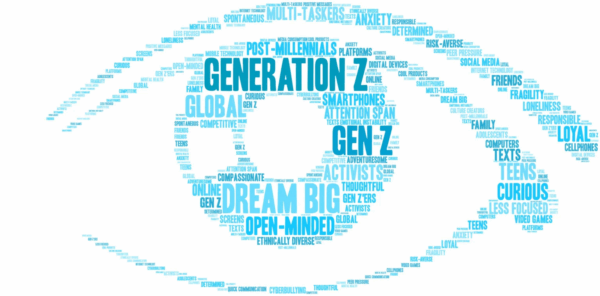
上周四和周五,应中国政府邀请,约300名来自亚洲、非洲和拉丁美洲的记者齐聚西安。这场全球视频媒体论坛上,奉行极权意识形态的传播者们启动了“全球南方合作机制”,实质上是在他们掌权的任何地方推行中国模式。他们面临一个问题,并直言不讳地承认:Z世代。
The Global Video Media Forum, held in Xi’an with 300 journalists from various regions, highlighted a notable concern about engaging Generation Z. Authoritarian governments, struggling to appeal to this generation that dismisses propaganda, are attempting to innovate narratives while suppressing press freedoms. China’s leading role in this effort aims to control dialogue globally.
Over the past two decades, despite numerous tests and programs, we have not managed to establish trustworthy municipal police forces capable of confronting the expansion of organized crime, which is primarily sustained by their control of local governments. After months in office, President Sheinbaum rectified and presented a plan. Essentially, she is right: the key lies with the municipalities.
The post discusses the qualities that define an empire, illustrated through historical references to Adolf Hitler’s consolidation of power and territorial ambitions exemplified by Donald Trump’s actions. It highlights electoral dynamics, emerging leadership in New York, and the significance of county redistricting in shaping political power, stressing the ever-changing nature of politics.
Javier Milei’s recent electoral victories in Argentina reflect public discontent with Kirchnerism’s governance, characterized by corruption and economic ruin. His administration has reduced inflation and poverty while navigating political challenges. With newfound congressional support, Milei aims to implement economic reforms and stabilize governance, challenging expectations and potential outcomes.
Societal discontent is rising globally, with a notable survey indicating no respondents feel better off than a decade ago. In the U.S., a government shutdown disrupts services, and political conflicts hinder citizens’ needs. Various economic conditions unfold worldwide, with mixed reports on growth, investment, and public confidence amid rising debt and challenges in multiple countries.
Blood, but above all, personal will and instinct are powerful magnets. They define who we follow, who convinces us, and who does not suit us. And today, more than ever, Mexico needs to ask itself who it is. To which orbit does it belong, and which world does it want to join?
Claudia Sheinbaum faces an escalating political crisis as López Obrador threatens armed insurrection should she deviate from his ideological framework. Historical parallels with past Mexican presidencies highlight her precarious position. As internal chaos and economic stagnation grow, Sheinbaum struggles to assert authority while balancing national loyalties amid increasing social unrest.
Pablo Iglesias, former vice president of Spain, embraces authoritarian populism through media initiatives like Canal Red and Diario Red, aiming to polarize audiences. Backed by substantial foreign funding, his approach seeks to challenge liberal democracy, promoting a narrative against reactionary voices while manipulating public discourse in Latin America and beyond.
The content includes various articles and reports focusing on global trust, economic outlooks, and market analysis for 2025. Topics range from JP Morgan’s initiatives, gold market trends, geopolitical impacts of tariffs, and assessments of government leadership. These resources aim to provide insights into critical industries and economic dynamics.