
What Kyiv is saying

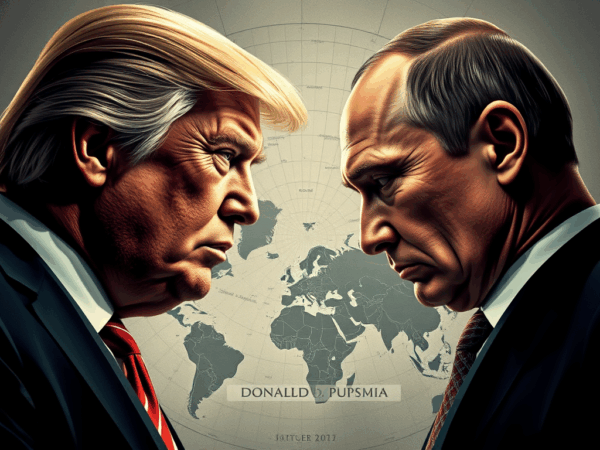
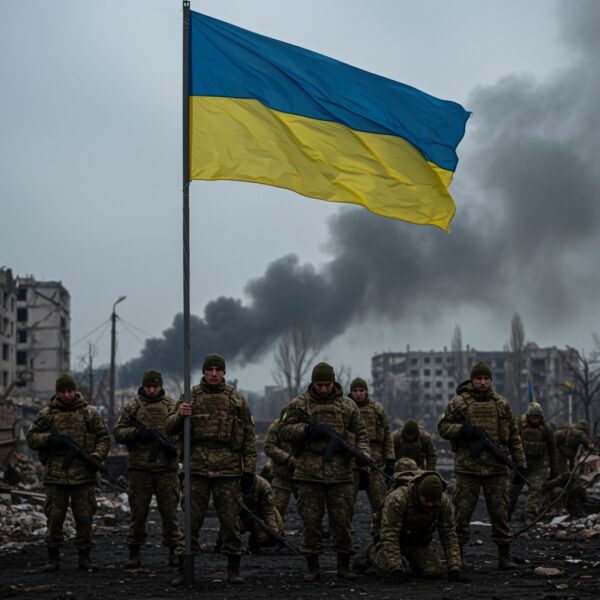
The Kyiv Independent critiques Trump’s approach to the Ukraine war, suggesting he aims for a settlement favoring Putin. The mood in Ukraine reflects resistance to conceding territory, encouraged by recent U.S. interests in Ukraine’s rare earth minerals. A long-lasting peace seems distant, with Kyiv hesitant to engage in talks lacking clear conditions.

The Ukrainian Opportunity.

The Trump administration’s handling of the Ukraine conflict has faced criticism for prioritizing negotiations with Putin while sidelining Ukrainian interests, leading to significant diplomatic blunders. Zelensky emphasized Ukraine’s need for NATO inclusion and condemned any peace that sacrifices territory, drawing historical parallels to appeasement strategies that failed in the past.

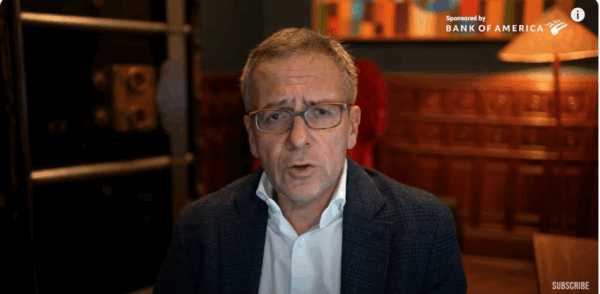
JP Morgan’s Eye on the Market 2025 Outlook.

The document provides navigation instructions for reading its contents and includes a list of additional resources and videos related to various topics, such as Trump’s foreign policy, global economic prospects, and political risks for 2025. Each link offers further insights into distinct global issues.

Understanding Naming Disputes of Global Water Bodies

Bodies of water have historically been shared yet contested spaces, with various groups claiming ownership or naming them differently. The text highlights significant disputes over names like the Sea of Japan and the Persian Gulf, emphasizing the importance of standardization in an interconnected world. Recent attempts, such as Trump’s renaming of the Gulf of Mexico, illustrate the political implications of geographic names.

Zakaria warns there’s a real cost to Trump’s head-spinning moves.

Fareed Zakaria comments on the current state of the White House under President Trump, comparing it to a royal court where aides rush to defend his policies. He highlights that these foreign policy actions, though praised, are causing significant harm, raising concerns about their broader implications.

Terrorism and National Security

The United States pressures Mexico over terrorism due to national security concerns, viewing drug cartels as threats. The proposals for annexing Greenland and Canada reflect security strategies against Russian and Chinese advances. Economic pressures on Mexico include potential sanctions on companies linked to drug trafficking and remittances, impacting significant economic ties.

An Attempt at Explaining Trump’s Foreign Policy.

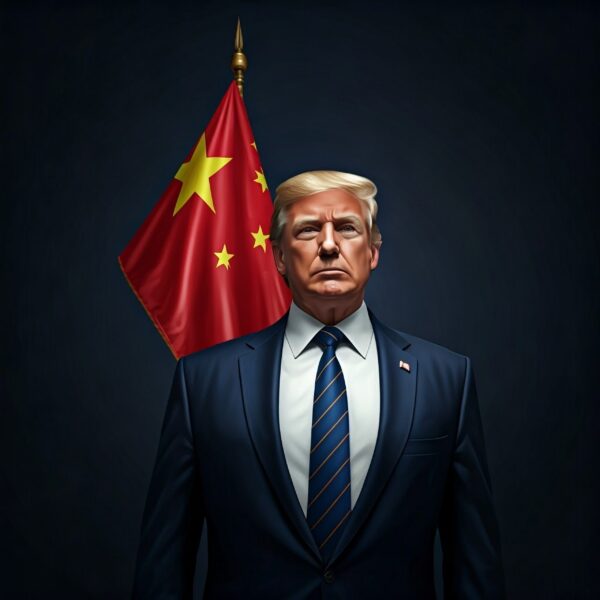
U.S. President Donald Trump’s second term emphasizes a shift in foreign policy, marked by aggressive tariffs against China and threats to allies. While these actions reflect a strategy to leverage economic power for concessions, new initiatives like the annexation of Greenland suggest broader ambitions, potentially transforming trans-Atlantic relations.

Trumpism Possible Scenarios

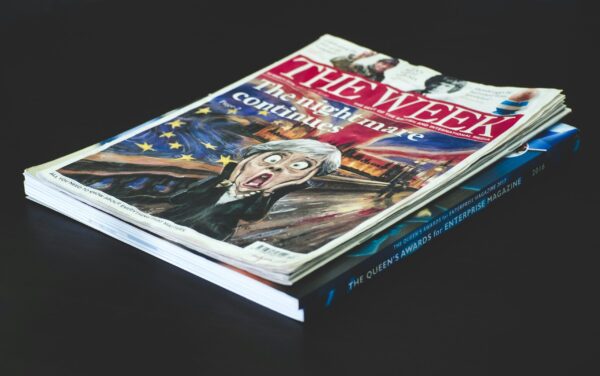
Trump’s presidency raises questions about America’s future — whether it signifies decline or rejuvenation. Drawing parallels with past populist figures, his approach may shift U.S. foreign policy towards aggressive hegemony. However, limited domestic support and constitutional crises could hinder his transformative ambitions, reflecting the complexities of his political influence.

Trump, at war with the United States,

Donald Trump’s presidency has seen aggressive maneuvers aimed at undermining U.S. allies, exemplified by delayed tariffs that threaten Mexico’s economy and weakened support for Ukraine. His actions reflect a self-serving ideology, with dangerous implications for international relations, cultural diversity, and democracy, fostering divisions and vulnerability in both the U.S. and Latin America.

Shares