
The World Ahead of Us

The COVID-19 pandemic reversed progress in eradicating extreme poverty, with millions falling into poverty globally, including a significant rise in Mexico. This highlights growing wealth inequality and social discontent. Two economic models emerge in response: one focusing on extensive state interventions, the other on private sector-driven solutions, with differing implications for governance and democracy.

Putin’s Nuclear Doctrine Shift: Global Tensions Rise

As the Russia-Ukraine war intensifies, the US, UK, and France have allowed Ukraine to use NATO-provided missiles against Russian military targets. In response, Russia has altered its nuclear doctrine, claiming a legal state of war against these nations. Amid these escalations, Trump, as President-elect, could pave the way for peace talks.

Chamberlain’s Temptation Today.

On September 30, 1938, British Prime Minister Neville Chamberlain announced an agreement with Adolf Hitler aimed at ensuring peace, which ultimately failed with the occupation of Czechoslovakia. The article draws parallels to current geopolitical tensions, suggesting that appeasement leads to conflict, and advocates for a strong defense of international law and territorial integrity to prevent future wars.

Impact of Marco Rubio on US-Mexico Relations

Marco Rubio’s appointment as U.S. Secretary of State signals a shift in foreign policy towards Latin America, especially focusing on Cuba, Nicaragua, and Venezuela. Tensions are expected between Mexico and the U.S. regarding trade policies and support for these nations, impacting the CUSMA/USMCA/T-MEC agreement and potentially leading to significant diplomatic conflicts.

The Three Historians: Niall Ferguson, Victor Davis Hanson, and Andrew Roberts

Niall Ferguson, Victor Davis Hanson, and Andrew Roberts, prominent historians at the Hoover Institution, discuss Churchill’s WWII role, the 1619 Project, and historians’ societal impact. They criticize self-loathing narratives in Western history, advocate for learning from the past, and reflect on global challenges, emphasizing the importance of democracy in contrast to authoritarianism.

Trump, Musk, and Zelensky

President-elect Trump’s initial call was with Ukrainian President Zelensky, accompanied by Elon Musk. Starlink is pivotal in Ukraine’s war against Russia, enabling military communication and operations. Musk proposed a peace plan favoring Russia, contrasting Zelensky’s demands for full withdrawal. This dynamic indicates Trump’s possible alignment with Russia amidst concerns over U.S. disengagement from Europe.

Is Trump a Fascist?

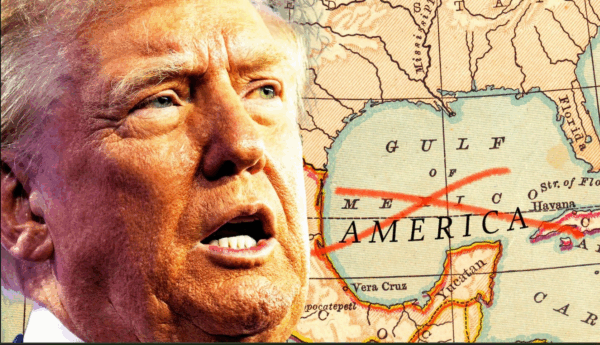
In recent political discourse, accusations of fascism have emerged against Donald Trump, particularly from former staff members who characterize his leadership style as authoritarian and divisive. A significant concern is Trump’s potential to weaken U.S. institutions for personal gain, raising fears of a shift towards a more fascist governance model.

The New York Times and the Justice Minister

The New York Times discusses Justice Juan Luis González Alcántara’s proposal to annul parts of the Mexican judicial reform, aiming to maintain judicial independence through popular votes for some positions. However, political challenges persist, with concerns about the ruling party’s resistance to change, drawing parallels to Hungary’s reforms and highlighting risks of authoritarianism.

Shares