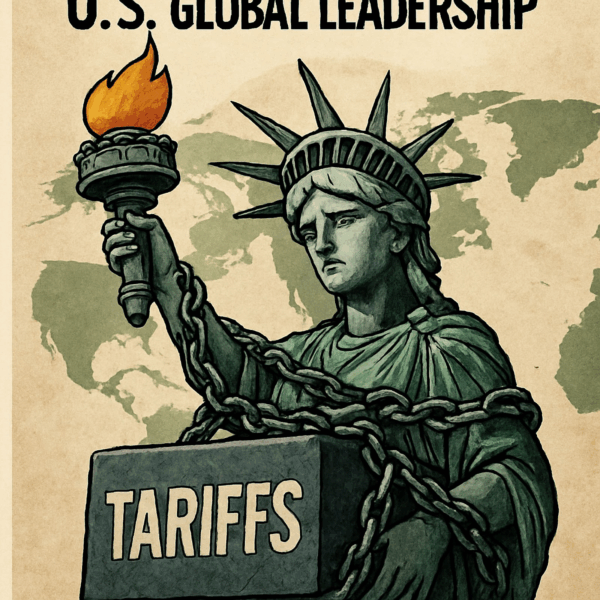
关税对美国全球领导地位的真实成本。
特朗普的关税政策对美国和全球经济产生了深远影响,造成通货膨胀和经济衰退风险,打击供应链并加剧美国债务负担。尽管旨在振兴美国制造业,实际效果却带来了不确定性和不稳定性,这使全球经济面临衰退的可能。
特朗普的关税政策对美国和全球经济产生了深远影响,造成通货膨胀和经济衰退风险,打击供应链并加剧美国债务负担。尽管旨在振兴美国制造业,实际效果却带来了不确定性和不稳定性,这使全球经济面临衰退的可能。
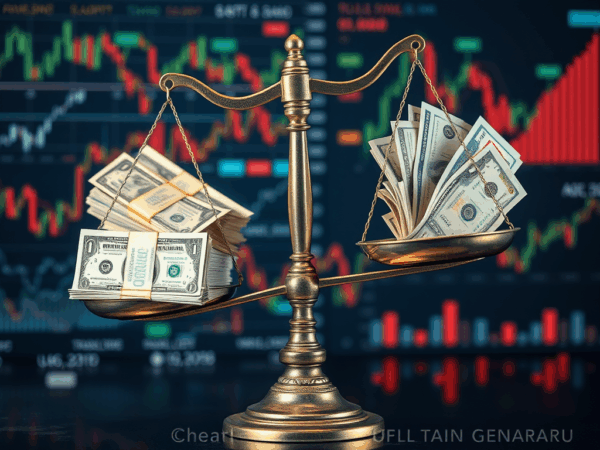
文章分析了特朗普的关税政策对美国及全球经济的影响,指出其可能导致滞胀、消费和投资减少。与此同时,中国通过改革开放与全球贸易的积极布局逐渐崛起,成为全球技术和经济的领导者,挑战美国的现有地位。
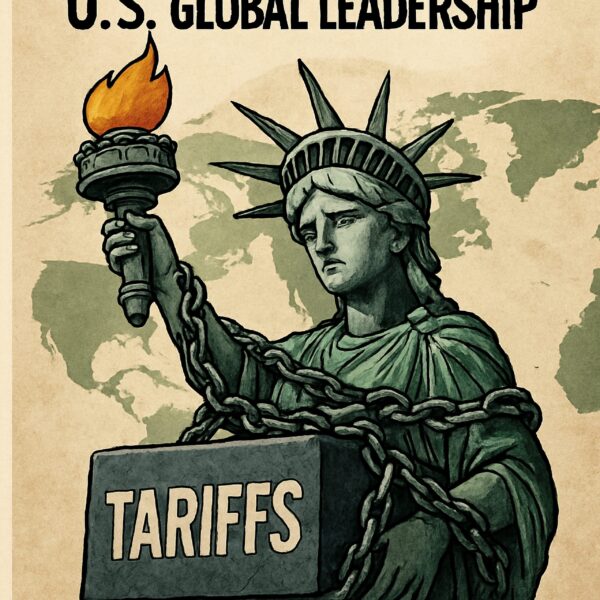
The series “The Real Cost of Tariffs on US and World Economies” explores the adverse effects of Trump’s tariffs, indicating they contribute to inflation, recession, and stagflation. While designed to protect US jobs, they threaten economic stability, provoke tensions with allies, and may enhance China’s global manufacturing strength, undermining US competitiveness.
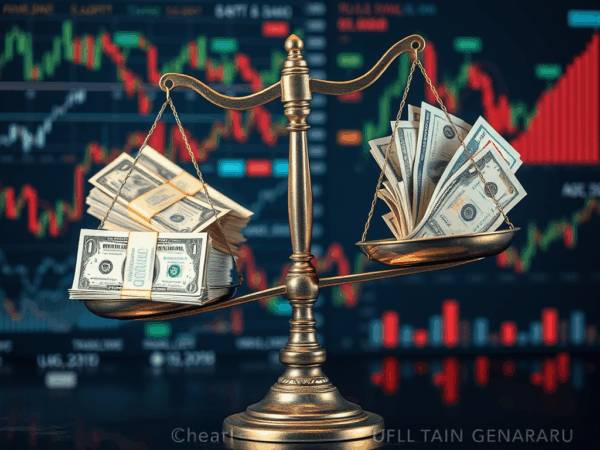
The article critiques Trump’s tariff policies and argues they strengthen China’s market position by pushing them to diversify exports and invest overseas. It highlights how U.S. strategy has weakened alliances, eroded credibility, and led to economic instability, while China has gained technological and manufacturing superiority, positioning itself as a global leader.
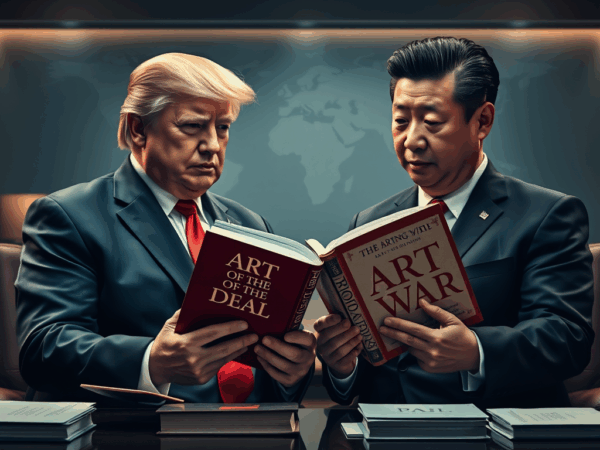
The cartoon depicting Xi Jinping and Donald Trump illustrates contrasting leadership philosophies. Trump’s tariff policies aim to reshape global relations, particularly with China and Germany, but risk significant economic backlash. His approach could undermine international trust, while effective responses from Mexico highlight the importance of strategic composure amidst geopolitical turmoil.
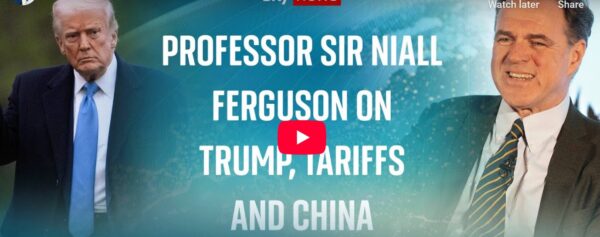
Richard Engel and Yalda Hakim engage with esteemed historian Sir Niall to explore pressing global issues, including culture and trade wars, as well as the potential for conflict over Taiwan. Sir Niall reflects on the Trump presidency, suggesting that the US may face significant polling challenges in the coming year.
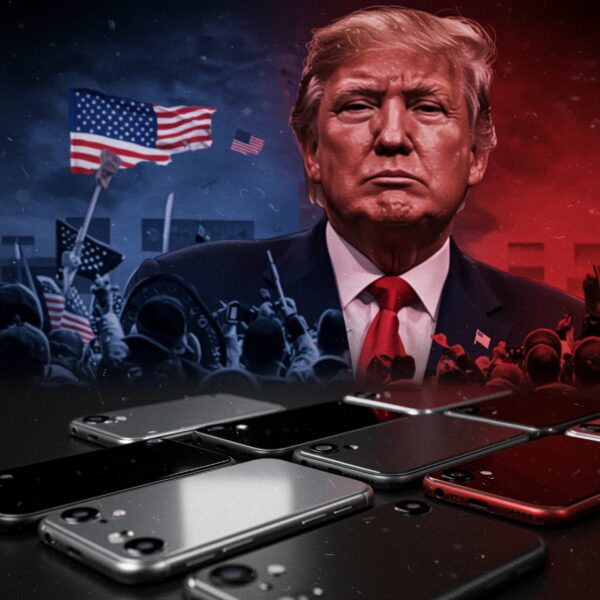
The Trump administration’s decision to eliminate tariffs on electronics from China marks a significant shift in trade policy, weakening the ongoing trade war. This reversal not only exempts a quarter of China’s exports but also reduces prices for U.S. consumers, revealing Trump’s diminishing economic influence and increasing U.S. isolation from traditional allies.

Three essential videos highlight current economic issues: Singapore’s Prime Minister Lawrence Wong discussing tariffs and global order; Larry Summers and Neal Ferguson examining economic science’s relevance during crises; and Janet Yellen addressing the effects of Trump’s economic policies on the US and global economies.
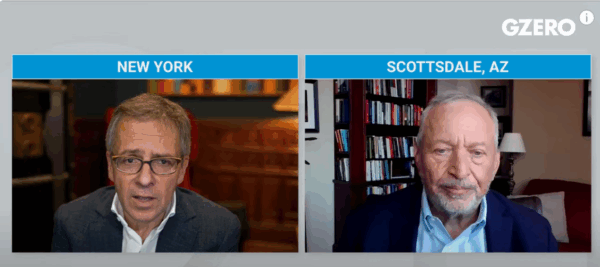
Former Treasury Secretary Larry Summers expresses extreme irritation (11/10) over the Trump administration’s trade war, labeling it a significant self-inflicted economic wound. He fears this will damage US credibility and warns against complacency regarding threats to democracy, prioritizing democratic norms over economic recovery. Summers is disappointed by the lack of public institutional response.

The article discusses the implications of Trump’s actions on international relations and American society. It critiques his disregard for global trade rules and science, portraying him as a figure of arrogance. The author warns that Trump’s behavior could lead to significant damage, urging Americans to rely on legal frameworks and alliances for stability.