関税の山
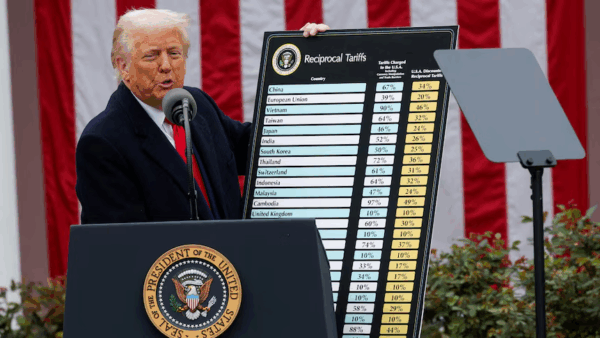
ドナルド・トランプの政策は、アメリカの貿易戦争を激化させ、国際的な不安定性を生み出している。各国が商業外交を壊し、関税を武器とする新たな戦略に移行。米国の影響力が揺らぎ、各国が防衛や独立の方針を再考し始めている。
ドナルド・トランプの政策は、アメリカの貿易戦争を激化させ、国際的な不安定性を生み出している。各国が商業外交を壊し、関税を武器とする新たな戦略に移行。米国の影響力が揺らぎ、各国が防衛や独立の方針を再考し始めている。
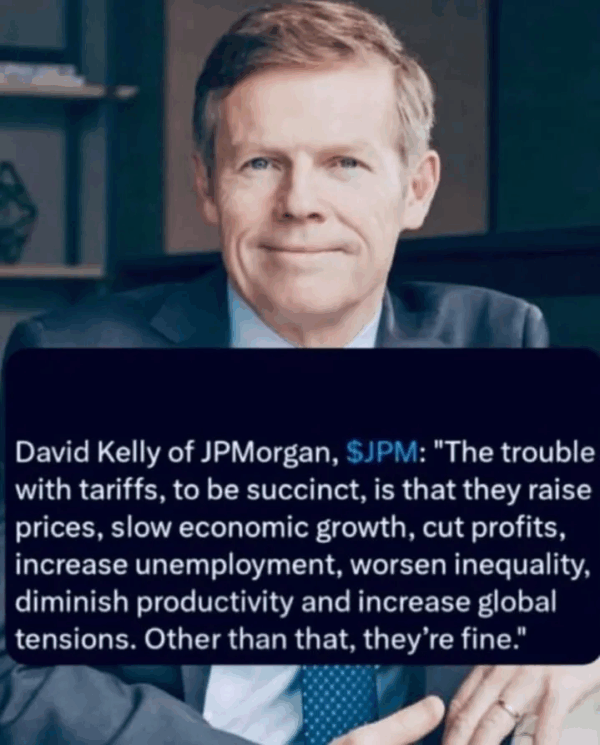
JPモルガンのデビッド・ケリーは、トランプ大統領の関税が米国や世界経済に深刻な影響を及ぼすと警告している。関税は価格上昇や経済成長の鈍化、失業率の増加を引き起こし、結果として世界貿易の混乱や景気後退を招く可能性が高い。
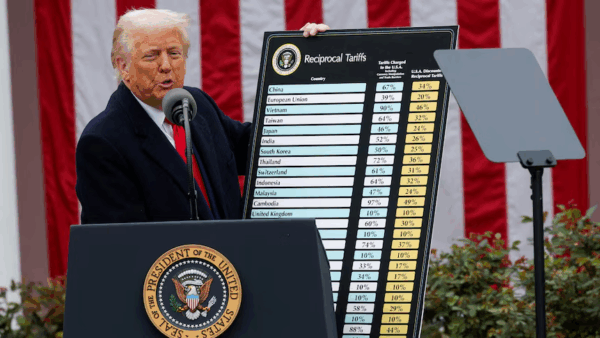
The article discusses the significant impact of Donald Trump’s tariff policies on global politics and trade. It argues that Trump’s confrontational approach destabilizes established economic systems, prompting countries to rethink their alliances and strategies. The piece highlights increased cooperation among former rivals, a rise in European strategic autonomy, and emerging uncertainties regarding global stability.
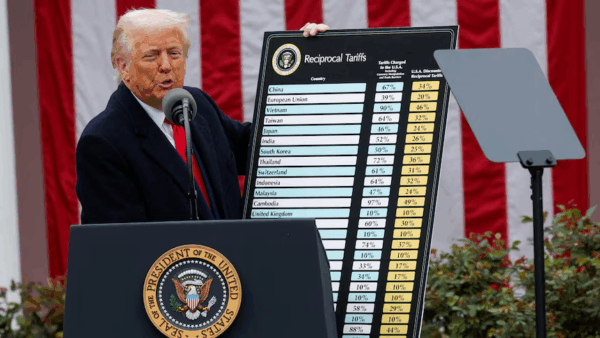
Trump’s tariffs are intended to protect U.S. industries but have led to significant economic repercussions, including inflation, recession, and stagflation. The tariffs impact U.S. GDP negatively and trigger retaliatory measures from other countries, disrupting global trade and supply chains, particularly affecting industries reliant on exports. The ongoing economic implications warrant close monitoring.

中国と米国の対立は歴史的背景があり、両国は「キメラ」として経済的相補性を持っていたが、距離を置くようになった。中国は技術教育を強化し、メキシコも同様の改革が求められている。進展は見られるが、他のアジア諸国に比べて不十分である。
中美衝突的根源早於川普,兩國經濟互補卻漸行漸遠。中國專注科技教育,經濟改革成效明顯,而墨西哥面臨挑戰,政治及經濟改革不斷受阻。亞洲國家的成功案例顯示,變革需有明確方向和堅持努力。
The U.S.-China conflict has evolved from a previously complementary relationship, prompting significant global shifts. China’s focus on STEM education contrasts with U.S. deficiencies, highlighting Mexico’s struggles in achieving similar reforms. Observing Asian successes without authoritarianism offers lessons for Mexico, emphasizing the need for coherent economic strategies and infrastructure development.

Trump’s current presidency diverges sharply from his first, as he seeks to dismantle previous policies and reform the federal workforce to align with his conservative ideology. His administration aims for global dominance through alliances with hegemonic powers, reshaping international relations to favor a select few while sidelining multilateral organizations. Countries now interact under a new imperial framework.
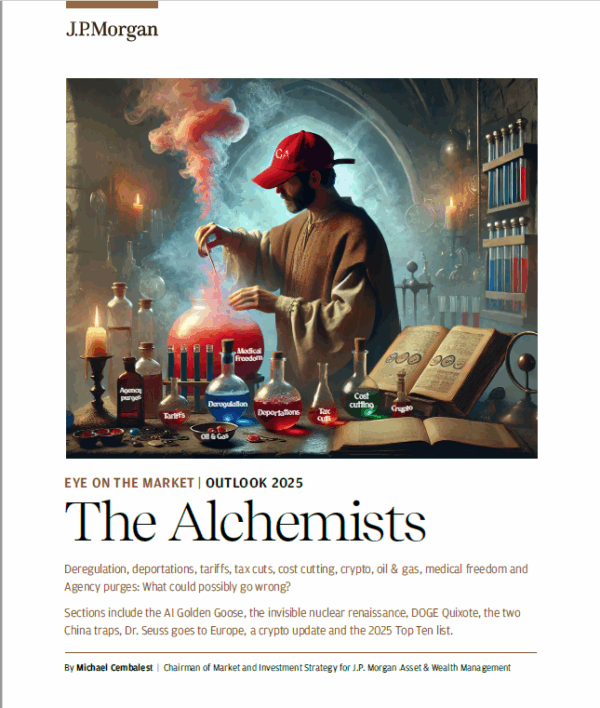
The document provides navigation instructions for reading its contents and includes a list of additional resources and videos related to various topics, such as Trump’s foreign policy, global economic prospects, and political risks for 2025. Each link offers further insights into distinct global issues.
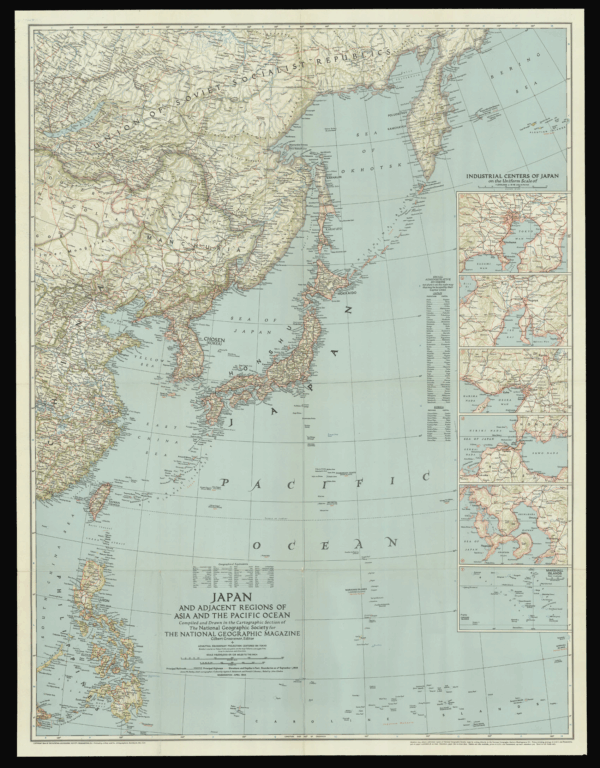
Bodies of water have historically been shared yet contested spaces, with various groups claiming ownership or naming them differently. The text highlights significant disputes over names like the Sea of Japan and the Persian Gulf, emphasizing the importance of standardization in an interconnected world. Recent attempts, such as Trump’s renaming of the Gulf of Mexico, illustrate the political implications of geographic names.