ホンダ、日産、そしてメキシコ人。
ホンダと日産は日本における自動車業界の代表的な企業で、それぞれ異なる起源を持つ。合併の試みは失敗に終わり、日産は新CEOにイバン・エスピノザ氏を任命。未来の自動車市場での競争に向けた課題が依然として残る。
Honda and Nissan, both significant Japanese automakers with distinct histories, recently attempted a merger to enhance competitiveness amidst evolving automotive challenges. However, the deal collapsed due to Honda’s reluctance for shared hierarchy. Post-failure, Nissan appointed Iván Espinoza as CEO, tasked with navigating competition from American and Chinese manufacturers in the industry.
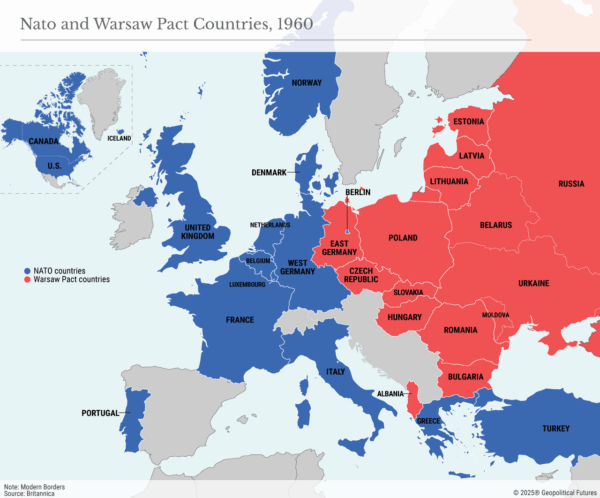
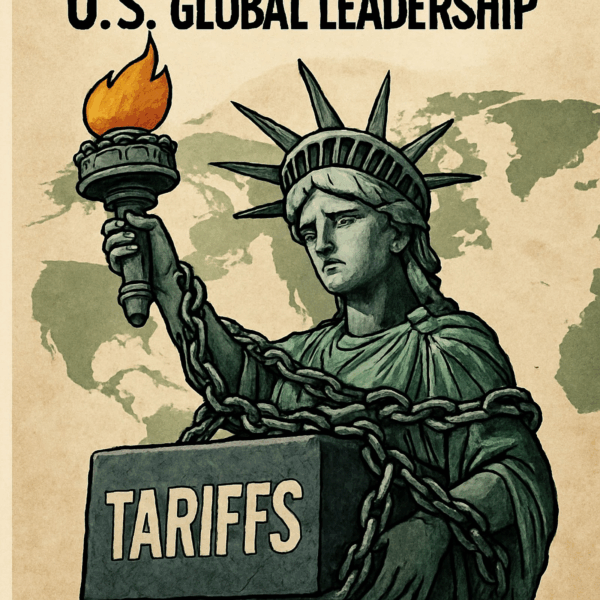
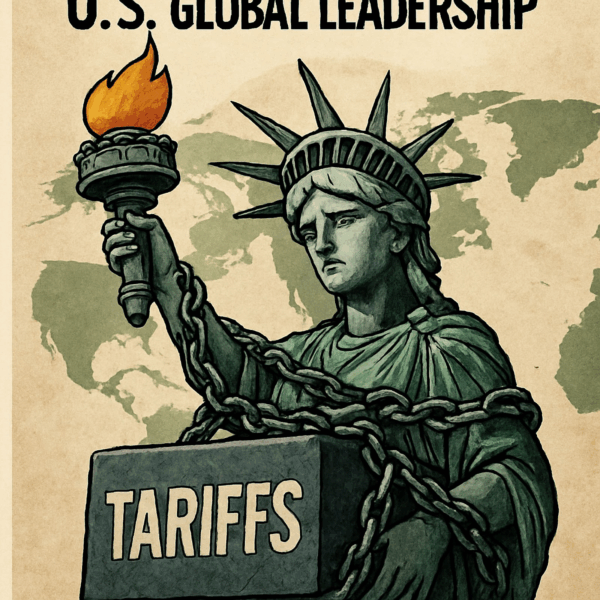
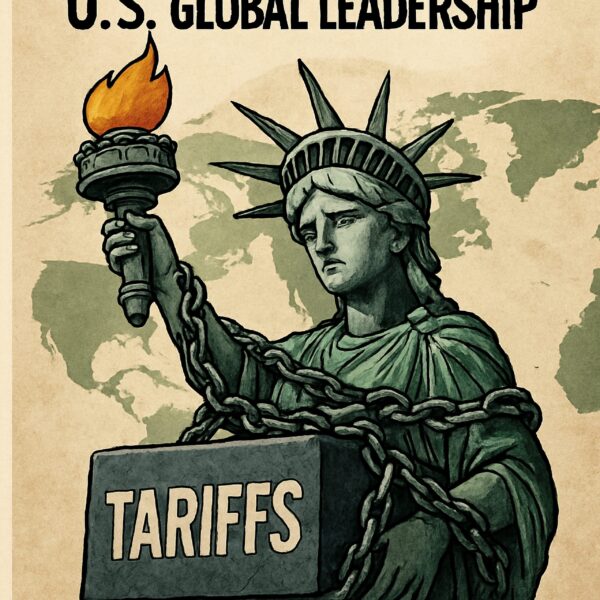
The article discusses the contrasting views of U.S. leadership under President Trump, suggesting a shift from traditional ideals of free trade and moral alliances to a strategy perceived as aligned with authoritarian regimes. It highlights concerns of escalating tensions with Russia, specifically regarding Ukraine and military preparations in Europe, indicating potential future conflicts.
Ian Bremmer highlights the Trump administration’s foreign policy focus on American unilateralism at the expense of traditional alliances, particularly in relation to Ukraine. He emphasizes that the future of transatlantic relations and NATO will depend more on European actions than U.S. involvement as the crisis unfolds.
The imagined surrender of Ukraine to Russia could validate aggressive territorial claims and destabilize global power relations. This scenario threatens Europe, undermines NATO, and suggests a shift in U.S. policy that empowers authoritarian regimes. A new world order may emerge if international norms fail to contain such aggressiveness.
The emergence of industrial society brought security as a crucial factor for stability, emphasizing legal protections and trust in governance. However, recent political shifts, particularly under Trump, have led to increased unpredictability and fear. This uncertainty impacts global politics, leaving countries in a precarious state, navigating potential instability.
The article discusses the potential collapse of the post-World War II international structure due to the rise of Trumpism. It highlights a crisis in democracy, the erosion of ethical standards, and questions the effectiveness of international cooperation, particularly in supporting developing nations. The implications for global governance and democracy are dire if current trends continue.
The article discusses the shifting dynamics of international conflict, particularly the U.S. stance on Ukraine amidst its struggle against Russian aggression. It highlights Europe’s growing centrality in ensuring Ukrainian resistance and the complexities involved, including Trump’s demands and the broader implications for democratic values versus authoritarian populism.
The content discusses the contrasting dynamics of sovereignty between Ukraine and Mexico amid political tensions. It highlights Western support for Ukraine against Russian aggression, emphasizing the need for effective governance. In contrast, it critiques Mexico’s issues with drug cartels and governance, suggesting a decline in sovereignty and effective justice.
The ongoing feud between Zelensky and Trump poses potential risks for Mexico. Trump perceives Mexico as vulnerable due to its fragile economy and drug trafficking issues, leading to possible U.S. pressures and intervention threats. Mexico’s diminished international standing further complicates its response, making it a target for U.S. demands and scrutiny.