
How Uncertainty Harms Mexico’s Economic Growth.

Private investment hinges on certainty, not ideological policies. Mexico lacks stable rules, undermining economic growth and leading to uncertainty fueled by both internal and external factors. The dismantling of institutions and external pressures like tariffs create an unstable environment, disincentivizing investments despite positive rhetoric surrounding initiatives like the “Mexico Plan.”

 Mexico-United States.

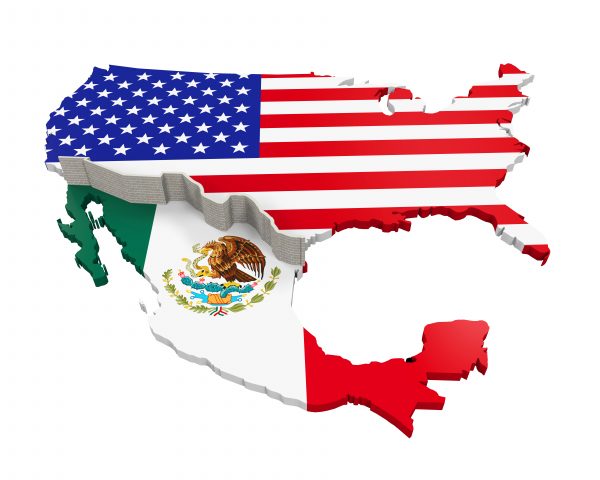
In New Zealand, the Māori “haka” ritual symbolizes intimidation in rugby but lacks real impact. Similarly, the relationship between Mexico and the U.S. under President Trump reflects surface gestures rather than substance. For effective engagement, Mexico must proactively propose solutions to key issues affecting both nations, particularly regarding security and economic interests.

関税が米国と世界経済に与える本当のコスト(第3部)。

この文章では、トランプ政権の貿易政策がアメリカ経済に及ぼす影響や、中国との関係悪化について考察されています。特に、関税の影響でスタグフレーションが懸念され、アメリカが抱える同盟国との信頼の低下や、中国の技術および経済的優位性が強調されています。

関税が米国と世界経済に与える本当のコスト(第2部)

トランプの対中関税は彼の支持者を煽るための愚かな決定で、米国消費者に負担を強いる結果を招いている。彼が関税を撤回すると、米国内のインフレが加速し、信頼性を失ったリーダーシップが金融市場に悪影響を及ぼす一因となる。

Trust and Tension: Trump-Sheinbaum Conversations Unveiled.

The exposure of the telephone conversation between Presidents Fox and Castro revealed the seriousness of recorded dialogues between leaders. Current relations between President Sheinbaum and Trump appear strained, contrary to her claims. Sheinbaum’s political instability is evident, especially regarding the confrontation with drug trafficking and sovereignty concerns, requiring a clearer national strategy.

Technological Change and Its Political Ramifications.

The current era is characterized by significant technological transformation, impacting social structures in Mexico and the United States. The lack of strong institutions in Mexico exacerbates social inequalities, while political figures like AMLO and Trump exploit these changes. Institutional weaknesses threaten democracy, posing challenges for governance and economic stability.

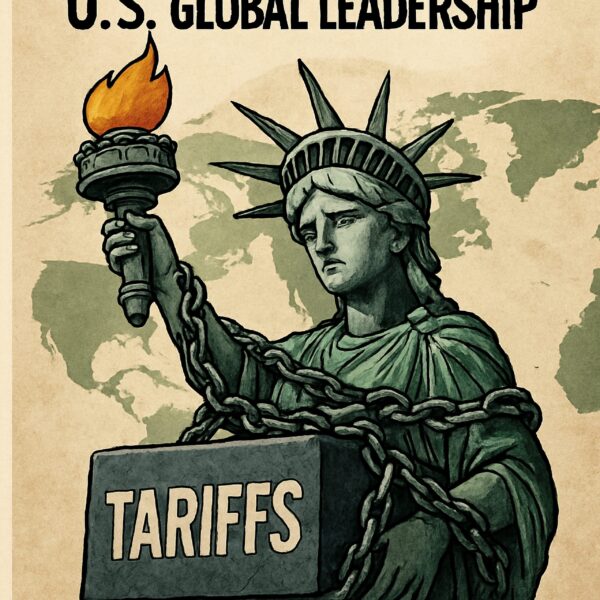
The Real Cost of Tariffs on US Global Leadership.

The series “The Real Cost of Tariffs on US and World Economies” explores the adverse effects of Trump’s tariffs, indicating they contribute to inflation, recession, and stagflation. While designed to protect US jobs, they threaten economic stability, provoke tensions with allies, and may enhance China’s global manufacturing strength, undermining US competitiveness.

Luis Maizel’s Monthly Letter: Will The Rule Of Law Prevail?

The content discusses the current state of the U.S. economy and its global implications. It highlights President Trump’s tumultuous presidency and significant tariff impacts. Mixed economic trends are noted, with rising unemployment and declining consumer confidence. Trade tensions, especially with China, and immigration issues affect forecasts. Mexico shows cautious economic growth amid uncertainties.

The Real Cost of Tariffs on US and World Economies (Part 3).

The article critiques Trump’s tariff policies and argues they strengthen China’s market position by pushing them to diversify exports and invest overseas. It highlights how U.S. strategy has weakened alliances, eroded credibility, and led to economic instability, while China has gained technological and manufacturing superiority, positioning itself as a global leader.

Who is the Traitor?

During a recent ceremony, President Claudia Sheinbaum labeled those seeking foreign support for internal issues as “traitors.” She emphasized Mexico’s close ties with the U.S., while reflecting on historical relations complicated by economic pressures and cooperation against drug cartels. The ongoing question of patriotism versus treason remains unresolved.

Shares