
Juárez: A Legacy of Violence Against Women

The content reflects on Mexico’s troubling past and present, emphasizing the consequences of NAFTA, rising violence, and the widespread issue of disappearances, particularly affecting women in Ciudad Juárez. It critiques the ineffective government responses and urges society to confront its historical failures to protect its citizens and restore moral integrity.

What Does Mexico Gain By Pleasing Trump?

Trump’s governing approach emphasizes loyalty over efficiency, leading to poor decision-making. His aggressive tactics extend to international relations, threatening to withhold funding or impose tariffs to achieve compliance. Mexico faces similar pressures, navigating Trump’s threats while maintaining a cautious response, questioning the effectiveness of their diplomatic strategies.

The Failure of Mexico’s Economic Plan

Plan Mexico is criticized for its protectionist approach, deemed unfeasible given Mexico’s dire economic situation. With projections of zero growth, the government is urged to abandon these unrealistic commitments and adapt a more open economic strategy. Success depends on recognizing realities and attracting foreign investment instead of isolating from global markets.

The Real Cost of Tariffs on US and World Economies (part 2).

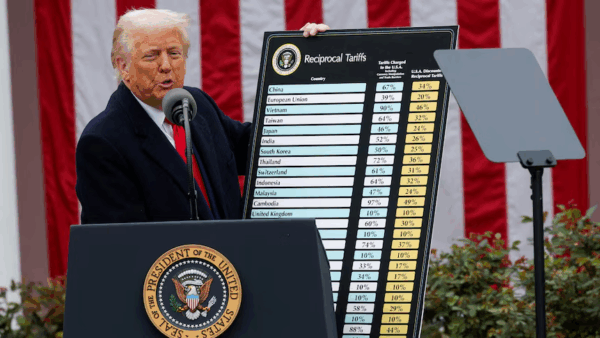
Trump’s tariffs on China are seen as hasty moves aimed at rallying his supporters, rather than as a coherent strategy. Their reversal points to rising costs for American consumers and industry, potentially causing inflation. The approach has alienated international allies, risking the US’s economic credibility while China advances globally.

Mexico’s Economic Landscape: The Seen vs. The Unseen.

Frédéric Bastiat’s distinction between the “seen” and “unseen” highlights Mexico’s current economic challenges. Despite populism and a satisfied public, investments are lacking, and past trade agreements are uncertain. For Mexico’s future, strengthening institutions is crucial as dependence on external factors, like U.S. relations, may lead to instability.

Top 3 Must-Watch Videos on Global Economics

Three essential videos highlight current economic issues: Singapore’s Prime Minister Lawrence Wong discussing tariffs and global order; Larry Summers and Neal Ferguson examining economic science’s relevance during crises; and Janet Yellen addressing the effects of Trump’s economic policies on the US and global economies.

For a Fistful of Tariffs

The article discusses the significant impact of Donald Trump’s tariff policies on global politics and trade. It argues that Trump’s confrontational approach destabilizes established economic systems, prompting countries to rethink their alliances and strategies. The piece highlights increased cooperation among former rivals, a rise in European strategic autonomy, and emerging uncertainties regarding global stability.

Mexico’s Protectionist Response to US Protectionism.

The Morenismo movement celebrates Trump’s announcements despite facing 25% tariffs, leading to temporary production closures and layoffs. Mexico’s government proposes a more protectionist stance than Trump’s, focusing on self-sufficiency and job creation. However, this approach risks weakening the economy amid looming recession and inadequate resources for ambitious plans.

The Real Cost of Tariffs on US and World Economies.

Trump’s tariffs are intended to protect U.S. industries but have led to significant economic repercussions, including inflation, recession, and stagflation. The tariffs impact U.S. GDP negatively and trigger retaliatory measures from other countries, disrupting global trade and supply chains, particularly affecting industries reliant on exports. The ongoing economic implications warrant close monitoring.

Luis Maizel’s Monthly Letter: This Puzzle is Missing Pieces.

The letter discusses global uncertainty due to unpredictable U.S. tariffs and ongoing international crises, particularly between Russia and Ukraine and in the Middle East. It highlights economic impacts, including rising car prices and decreased consumer confidence, while noting contrasting investment influxes. Mexico’s economic challenges are also analyzed amidst these tensions.

Shares