Luis Maizel’s Monthly Letter: A Paralized Government in a Polarized Country.

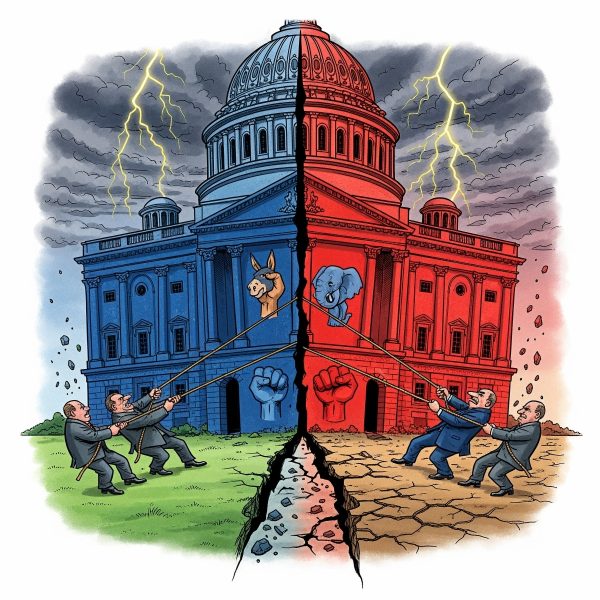
Today, we woke up to a government shutdown and without resources. United States law establishes a maximum debt limit that only Congress can increase. The Republicans’ budget proposal was rejected by the Democrats, who demanded a series of concessions in order to vote in favor of temporarily raising the debt ceiling.

The Fall of Morena: How Arrogance Breeds Political Collapse.

Morena’s political arrogance is leading to transformative changes, particularly an electoral reform that seeks to limit opposition representation and an assault on the amparo, weakening citizens’ legal protections. These actions risk alienating both citizens and investors, potentially sowing the seeds of the government’s own decline, reminiscent of past political failures.

The Complex Dynamics of US Intervention in Mexico.

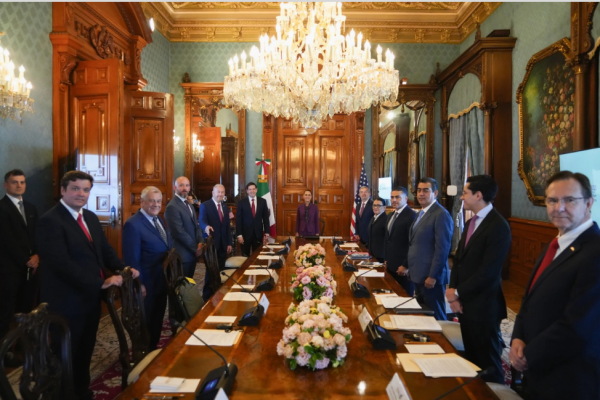
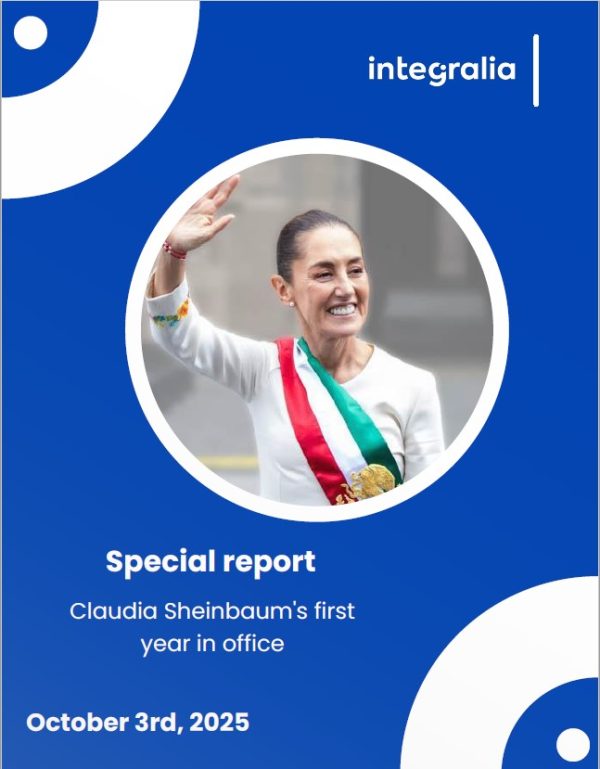
In her first year, President Sheinbaum of Mexico has seen an influx of US officials visiting, notably Marco Rubio. Washington has conflicting views on how to engage with Mexico, viewing it as a national security risk due to cartel influence. Ultimately, US intervention seems likely, with Sheinbaum’s political weakness aggravating concerns.

Understanding Independence vs. Sovereignty in Mexico.

On National Independence Day, the relationship between independence and sovereignty is explored. Independence signifies a nation’s lack of subordination, while sovereignty deals with internal authority and decision-making. The complexities of Mexico’s sovereignty amidst its economic ties with the U.S. are highlighted, emphasizing strategic responses to external pressures.

No Security Agreement: Insights from Rubio’s Visit to Mexico.

Marco Rubio’s visit to Mexico revealed ongoing tensions between the U.S. and Mexico, marked by the failure to finalize a Security Agreement. Despite praising collaboration publicly, mutual distrust persists, rooted in concerns about Mexico’s ties to organized crime. The absence of a private meeting highlighted apprehensions about sensitive discussions, complicating bilateral relations.

Shifts in US-Mexico Relations: A Historical Overview

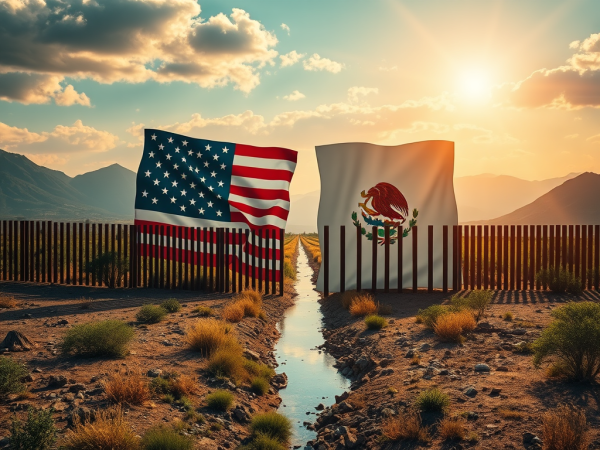
The bilateral relationship between the U.S. and Mexico has dramatically evolved since the 1980s, shifting from conflict to cooperation despite recent tensions. The current political climate reflects a growing estrangement, risking development opportunities for both nations. Importantly, both should prioritize resolving disputes to enhance regional integration and collaboration.

Back to the Porcupine.

Luis Rubio discusses the evolving yet contentious U.S.–Mexico relationship, marked by historical books reflecting their communication struggles. The integration grew from economic necessity, illustrated by NAFTA’s dual interpretations. Today, ideological gaps and regional challenges persist, as both nations grapple with migration, crime, and differing perspectives on cooperation and reform.

The Chinese Meander.

Over the past fifty years, Mexico has undergone significant political and economic shifts, oscillating between authoritarianism and sporadic democracy, without establishing a sustainable model. Recent attempts to mirror the Chinese model under AMLO emphasize political control over economic growth, revealing a disconnect between governance, economic policy, and private investment stability.

Canada’s Carney Crushes Trump’s Tariff Threats.

A Brazilian entity, Meu Interior Minha Vida, has produced an AI-generated video featuring Rachel Maddow, who did not participate. While based on credible information, the content encourages viewers to independently verify the dramatized narrative on public-interest topics. Viewers are cautioned to research and question the presented opinions.

Annus Horribilis

n 1992, Queen Elizabeth II used the expression annus horribilis to describe a particularly difficult year marked by family scandals, divorces, and even a fire at Windsor Castle. The Latin phrase, meaning “horrible year,” served to sum up not only personal misfortunes, but also a sense of institutional decline for the British monarchy.

Shares