Mexico’s Narco-government

Between 2018 and September 2025, there have been more than 2,200 attacks on individuals linked to some political process. Eighty percent of these attacks targeted officials, candidates, or aspirants, or, notably, members of security forces assigned at the municipal level.INEGI reports a shortage of police forces in 31 out of 32 states.

Luis Maizel’s Monthly Letter: What Have We Done To Deserve This Government?

Societal discontent is rising globally, with a notable survey indicating no respondents feel better off than a decade ago. In the U.S., a government shutdown disrupts services, and political conflicts hinder citizens’ needs. Various economic conditions unfold worldwide, with mixed reports on growth, investment, and public confidence amid rising debt and challenges in multiple countries.

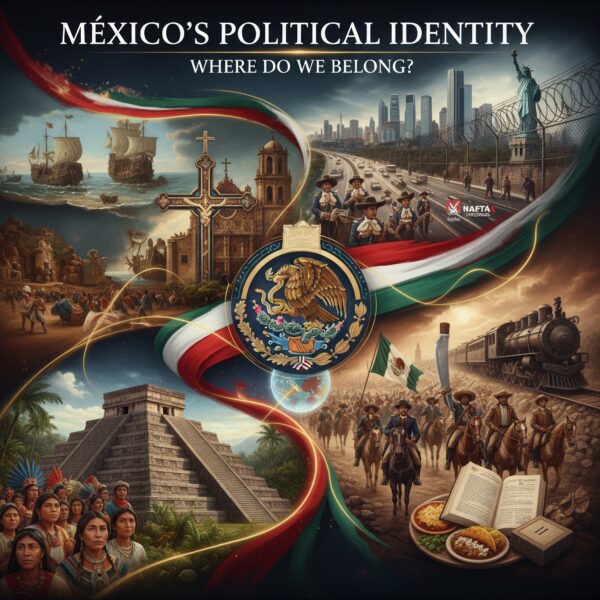
Mexico’s Political Identity: Where Do We Belong?

Blood, but above all, personal will and instinct are powerful magnets. They define who we follow, who convinces us, and who does not suit us. And today, more than ever, Mexico needs to ask itself who it is. To which orbit does it belong, and which world does it want to join?

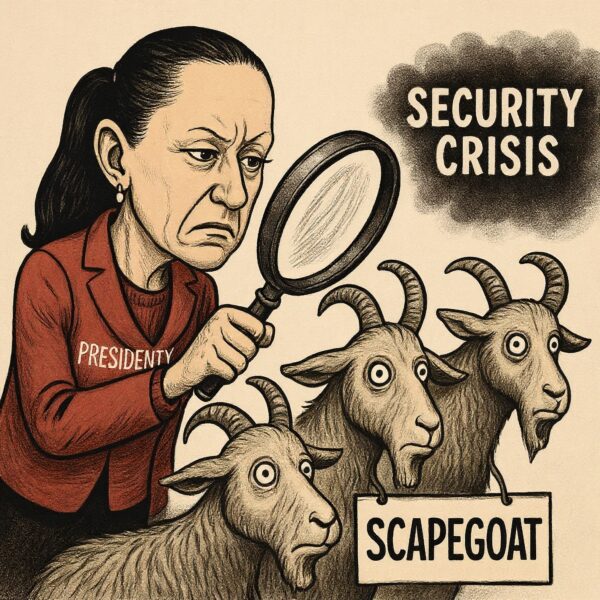
The Crisis in Mexico: Governance Under Sheinbaum’s Leadership.

Claudia Sheinbaum faces an escalating political crisis as López Obrador threatens armed insurrection should she deviate from his ideological framework. Historical parallels with past Mexican presidencies highlight her precarious position. As internal chaos and economic stagnation grow, Sheinbaum struggles to assert authority while balancing national loyalties amid increasing social unrest.

U.S. National Security: Mexico’s Strategic Role.

The United States views Mexico as a crucial player in its geopolitical strategies concerning Latin America, particularly in relation to Venezuela and Colombia. Recent actions suggest a testing ground for influence in Mexico, amid concerns about its alliance with drug traffickers and opposition to U.S. policies. Mexico’s foreign policy risks increasing regional tensions.

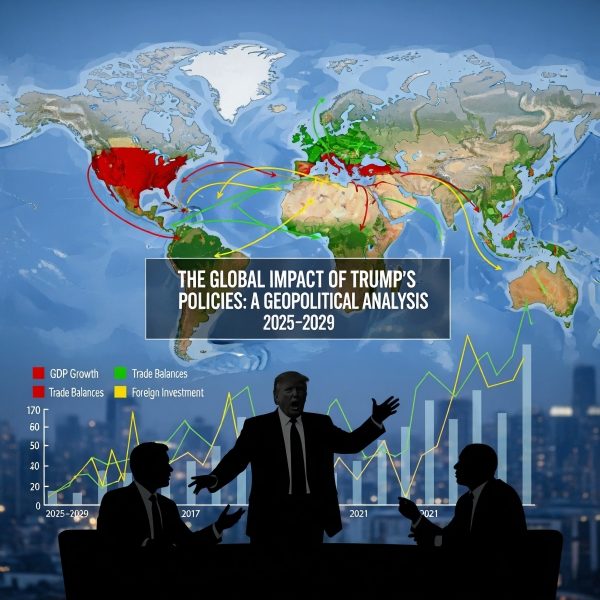
The Global Impact of Trump’s Policies: A Geopolitical Analysis.

Churchill’s observation about Americans reflects current U.S. actions under President Trump, which have destabilized global order established post-World War II. By fostering nationalist ideologies and undermining alliances, Trump’s strategy benefits countries like China and impacts U.S.-Mexico relations, highlighting complexities in migration and economic dependability on Mexican labor.

Lessons from Kipling: Power and Memory Today.

The article reflects on contemporary global political dynamics, drawing parallels between historical and current leadership in the U.S. It critiques Donald Trump’s approach to governance as deeply self-serving, contrasting it with past administrations that sought global cooperation. It concludes that today’s events reveal a power struggle influenced by historical economic rivalries and geopolitical strategies.

The Award That Takes Mexico’s Mask Off.

María Corina Machado’s receipt of the 2025 Nobel Peace Prize highlights her fight against Nicolás Maduro’s regime in Venezuela, fostering renewed hope for democracy among citizens. However, Mexico’s government, represented by President Sheinbaum, notably refrains from supporting Machado, instead maintaining ties with Maduro’s dictatorship, exposing contradictions in Mexico’s foreign policy.

Despite Talk of Historic Cooperation, the Divide Between Mexico City & DC is Deepening.

Mexico and the US maintain a complex relationship marked by historical fluctuations between cooperation and conflict. Diverging political ideologies under current leaders complicate trade negotiation prospects. Mexico’s government seems unaware of the shifting US priorities, which now view Mexican issues as national security concerns, thereby straining their bilateral interactions.

Shares