LuisMaizel’s Monthly Letter: We Continue On Our Way, But There Are Many Potholes In The Road.

The global landscape remains tense, with stagnant conflicts in Ukraine and Gaza, and partisan strife in the U.S. undermining centrism. Economic challenges persist alongside minor positive developments, particularly in Mexico. Meanwhile, countries face inflation and diplomatic tensions, affecting trade dynamics while major U.S. companies show relative resilience amidst headwinds.

I Told Them No…

Repeatedly denying something usually causes doubt in the listener. Why deny the same thing so many times? Why isn’t a single, categorical denial enough? To such an extent that in Christianity, there is the story of the three denials of the disciple Peter. Despite his promise to remain loyal to Jesus, even unto death, he ends up denying him three times under social pressure.

That Monstrosity Called Fear.

President Sheinbaum’s revival of political reform highlights the ruling party’s fear of power loss, despite a congressional majority. The proposed reforms aim to control state institutions, limit electoral competitiveness, and suppress dissent, revealing a government that, despite its strength, feels vulnerable. This illustrates a fragile grip on power amidst radical authoritarian strategies.

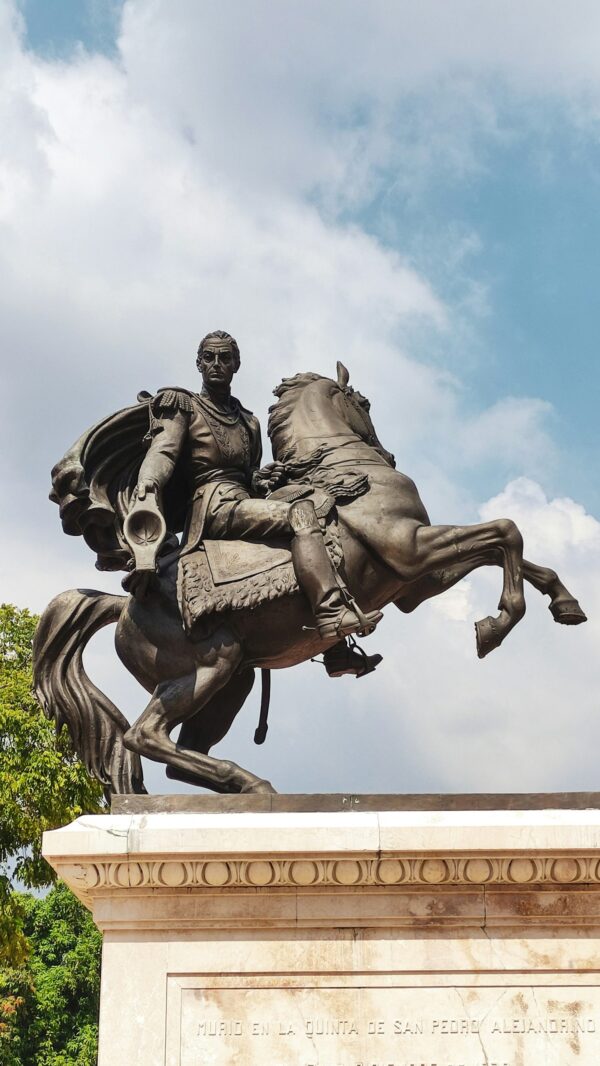
Bolivia Changes Course.

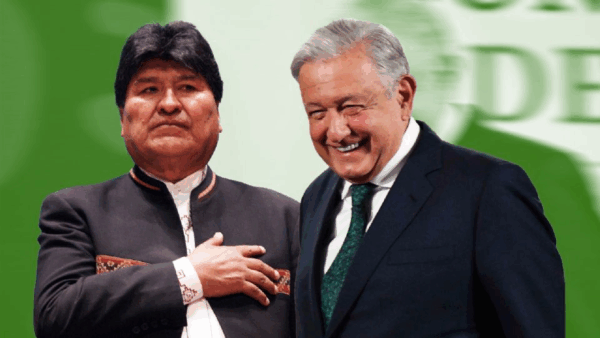
Evo Morales’ influence waned as political rival Luis Arce confronted him, utilizing the judiciary as a battleground for power. Economic mismanagement led to Bolivia’s decline under MAS, prompting a shift towards rightist candidates in upcoming elections. This reflects a broader regional movement away from populist left governments towards pragmatic solutions.

Understanding the Drug Trade: A Naive Theory

The text discusses the severe drug crisis in Mexico, highlighting the role of cartels in violence and drug production, particularly fentanyl and cocaine. It mentions the involvement of various countries and the consequences of drug trafficking, including high death tolls and lost lives. The need for international cooperation to address the crisis is emphasized.

Sheinbaum’s Dilemma: Concessions to Trump with National Sovereignty.

Following Trump’s inauguration, the Mexican government’s stance on U.S. policies, particularly the “stay in Mexico” program, has been complex. Despite public rejections, there are unpublicized agreements influencing bilateral relations. Mexico faces pressure to conform to U.S. demands while balancing its sovereignty and relationships with authoritarian regimes, posing a significant diplomatic challenge.

Venezuela: Rearguard of the 4T

On January 10, 2025, Nicolás Maduro’s dictatorship was solidified in Venezuela with minimal international recognition, particularly from Latin America. Mexico’s foreign policy has shifted under López Obrador, aligning with repressive regimes like Cuba and Nicaragua, prioritizing political survival over democratic ideals, while risking relationships with traditional allies like the U.S. and Canada.

What is Terrorism?

Omar Garcia Harfush, Secretary of Security, recently defined terrorism, excluding recent car bombings in Guanajuato as acts of criminal feuds. Critics argue his definition is too narrow, ignoring the broader implications of state and non-state terror in Mexico, where fear is a tool employed by both criminal groups and the government for control.

The War Waged by Politicians Using the Judiciary in Bolivia.

Ricardo Pascoe Pierce warns of potential judicial manipulation in Mexico, drawing parallels with Bolivia under Evo Morales. He highlights the dangers of politically motivated judicial appointments, resulting in a judiciary that serves political interests rather than justice. The piece underscores the urgency for resistance to prevent the erosion of democratic principles and maintain constitutional order.

Shares