U.S. National Security Strategy.
This official report of the United States Government outlines the priorities of the Trump administration concerning foreign policy, revealing a shift in its geopolitical strategy and values.

This official report of the United States Government outlines the priorities of the Trump administration concerning foreign policy, revealing a shift in its geopolitical strategy and values.

The essay discusses the evolution of attention economy from the invention of the bikini by Louis Réard in 1946 to the digital revolution. Yanis Varoufakis argues that society has shifted from tangible goods to a system where attention is commodified, creating techno-feudalism. Users, now products, face a challenge in reclaiming focus amidst constant distraction.
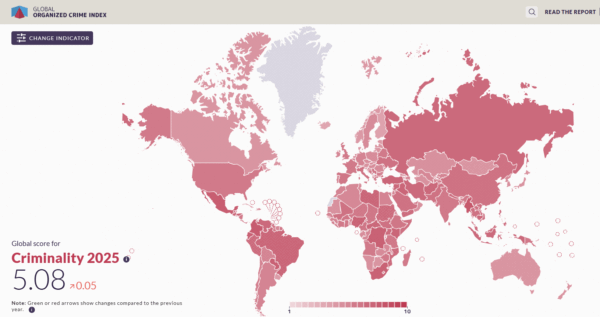
The global criminal landscape is increasingly adaptive and complex, shaped by socio-economic shifts and technological advancements. The 2025 Index highlights critical changes in drug markets, the rise of non-violent crimes, and growing foreign and private sector involvement. It indicates an urgent need for new resilience strategies to counter evolving organized crime.
The key to a nation’s progress lies in balancing governmental and market roles, ensuring a capable state that safeguards property rights and functions effectively. Successful examples highlight that while democracy is important, a strong, rule-abiding state is crucial for sustainable growth and prosperity, as evidenced by varied global outcomes.
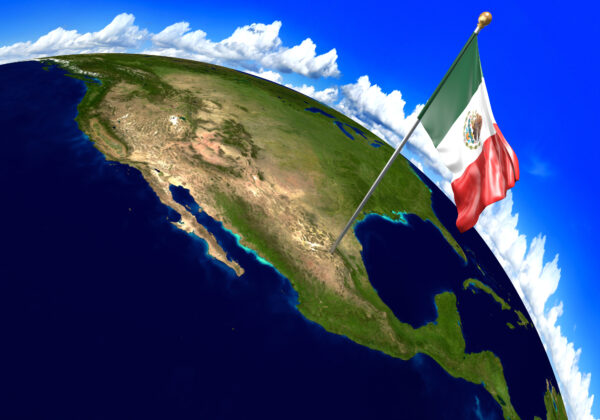
The United States views Mexico as a crucial player in its geopolitical strategies concerning Latin America, particularly in relation to Venezuela and Colombia. Recent actions suggest a testing ground for influence in Mexico, amid concerns about its alliance with drug traffickers and opposition to U.S. policies. Mexico’s foreign policy risks increasing regional tensions.
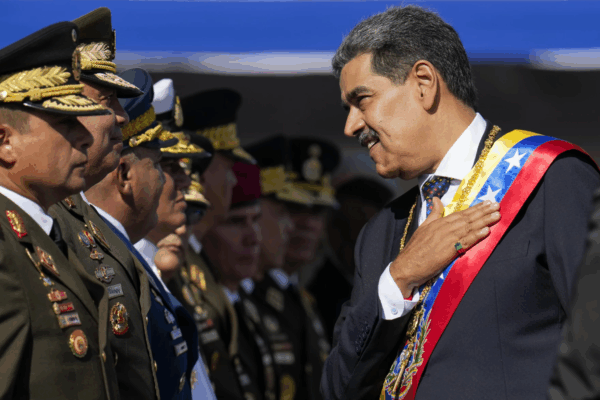
The text criticizes Nicolás Maduro’s regime in Venezuela, labeling him a perpetrator of a coup rather than a victim. It highlights his manipulation of electoral results, control of the judiciary, and external support from Cuba and Russia. The author accuses the populist left of hypocrisy and complicity in perpetuating Maduro’s dictatorship.

The left is losing power in Latin America, particularly in Bolivia and Chile, due to economic failure and discontent among voters. In Bolivia, governmental mismanagement has led to declining public support, while Chile’s voters prioritize security and problem-solving over background. The narrative of privilege is losing relevance, signaling a shift towards merit-based values.
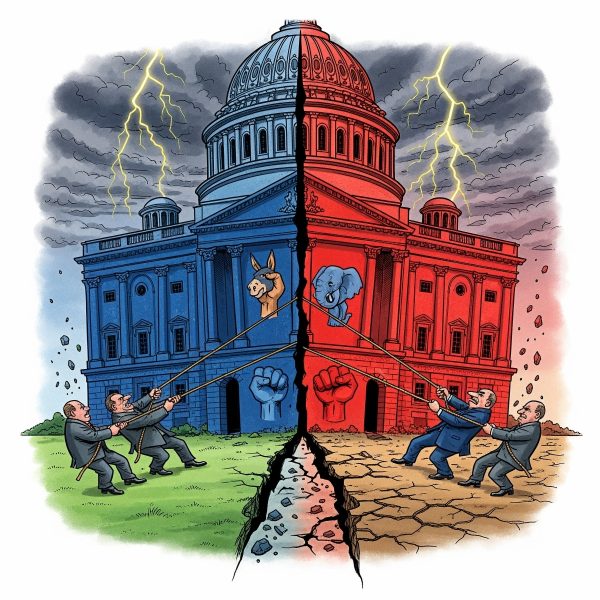
Today, we woke up to a government shutdown and without resources. United States law establishes a maximum debt limit that only Congress can increase. The Republicans’ budget proposal was rejected by the Democrats, who demanded a series of concessions in order to vote in favor of temporarily raising the debt ceiling.
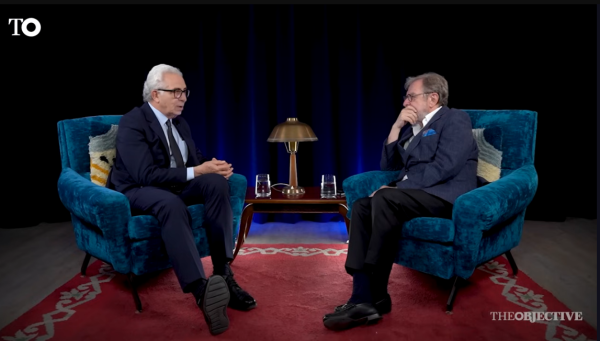
Ernesto Zedillo, expresidente de México (1994-2000), promovió la modernización democrática y luchó contra el narcotráfico. Su gestión se destacó por enfrentar crisis económicas y cerrar 71 años de dominio del PRI. Actualmente, lidera el Centro para el Estudio de la Globalización en Yale, donde Obtuvo el Doctorado en ciencias económicas.

Weaving a high-level agreement with all the voices outside of Morena can lead to gaining a majority for the opposition in Congress in 2027, blocking the tyrannical rule of Morena, and changing course towards a genuine democratic system.