
Honduras Elections: Trump vs. Sheinbaum Confrontation Explained.

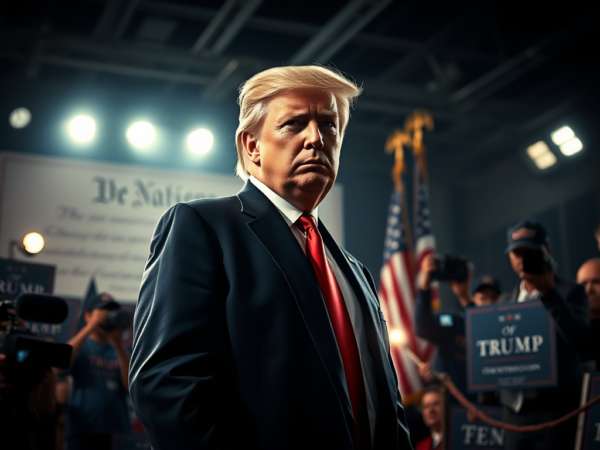
Honduras’ presidential elections have turned into a proxy battle between Claudia Sheinbaum and Donald Trump, reminiscent of Cold War dynamics. Xiomara Castro’s swift visit to Mexico before the elections highlighted ideological ties within a socialist bloc, while Trump pressured voters to reject Castro’s party, emphasizing economic issues and immigration policies.

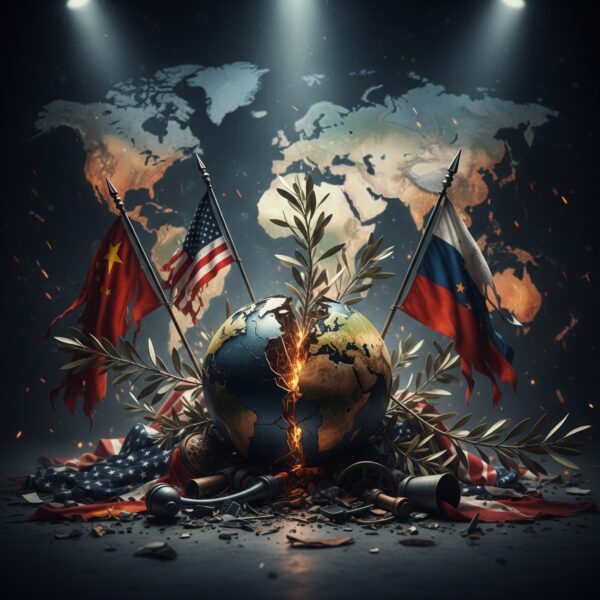
Two Must-Watch Videos on the Geopolitics of the U.S, Russia, and China Relationship.

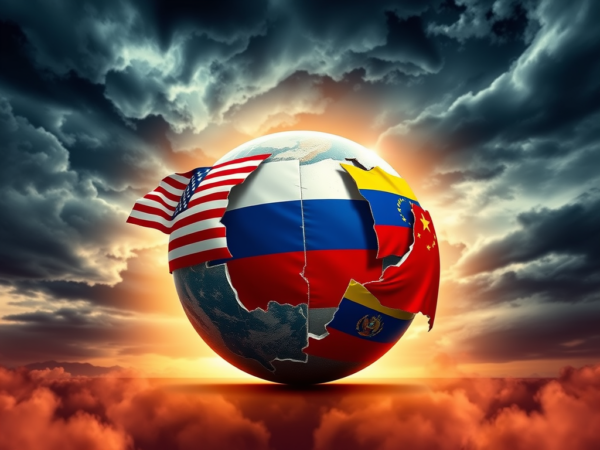
Professor John Mearsheimer discusses how sanctions intended to weaken Russia have inadvertently fostered a multipolar world challenging U.S. hegemony. Analyzing Jeffrey Sachs’ insights, Mearsheimer highlights Russia’s economic strategies, BRICS expansion, and the decline of dollar dominance, emphasizing the need for the West to adapt or face potential chaos.

Steve Bannon and Modern Conservatism: A Deep Dive into His Ideological Roots

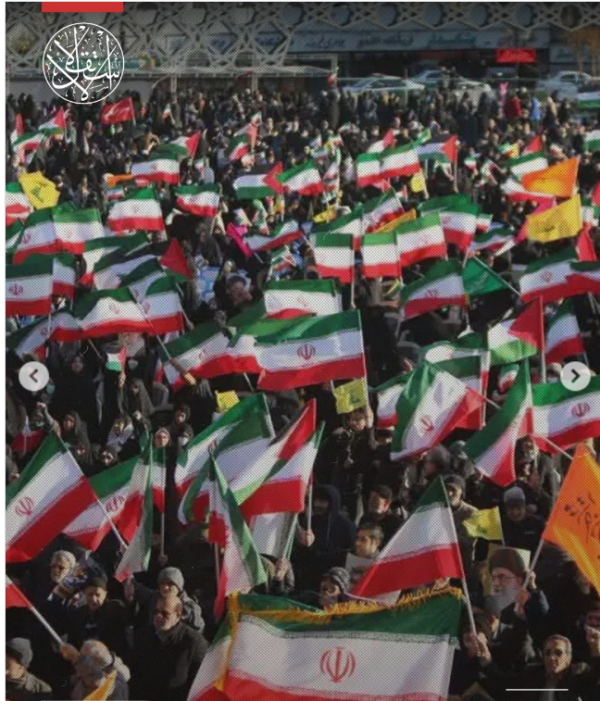
The Iranian clerical revolution in 1979 led to a US embassy hostage crisis, impacting Jimmy Carter’s presidency. Steve Bannon, involved in military operations, later became a significant figure linking right-wing populism to traditionalist thought. He critiques modernity, promotes nationalist policies, and influences the Trump movement through media and ideologies rooted in religious and historical cycles.

Let’s Celebrate.

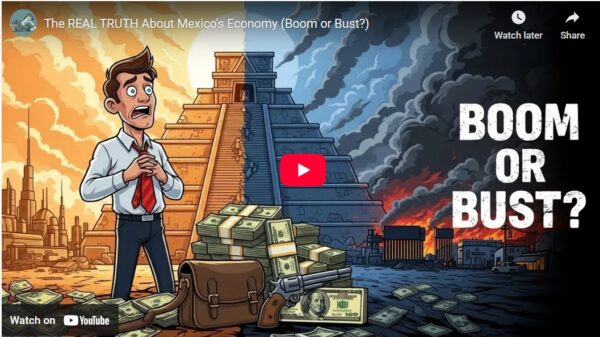
The content reflects on Mexico’s complex relationship with revolution, contrasting its cultural reverence with historical failures observed globally. It critiques the current administration’s approach, highlighting stagnation in economic growth, education, and increasing violence and corruption. The author calls for an evolution in societal progress rather than celebrating revolutionary myths.

On How Mexico’s Government Deceives The World.

Mexico’s President Claudia Sheinbaum’s absence from key international forums has drawn criticism, particularly regarding drug trafficking and violence. This lack of engagement coincides with a demoralized diplomatic corps and a government hesitant to openly address controversial issues. Mexico’s foreign policy operates in secrecy, reflecting a disconnect with its economic partners and democratic values.

The Five Years of Sepgra.

In June 2020, Sepgra emerged as a virtual platform during the pandemic, providing insights on global economic and political issues. Over five years, it published 1978 articles covering diverse topics, navigating challenges like economic turmoil, political polarization, and the impacts of Covid-19, illustrating adaptability while aiming for quality, unbiased content.

The Economics of Attention.

The essay discusses the evolution of attention economy from the invention of the bikini by Louis Réard in 1946 to the digital revolution. Yanis Varoufakis argues that society has shifted from tangible goods to a system where attention is commodified, creating techno-feudalism. Users, now products, face a challenge in reclaiming focus amidst constant distraction.

The Global Organized Crime Index 2025.

The global criminal landscape is increasingly adaptive and complex, shaped by socio-economic shifts and technological advancements. The 2025 Index highlights critical changes in drug markets, the rise of non-violent crimes, and growing foreign and private sector involvement. It indicates an urgent need for new resilience strategies to counter evolving organized crime.

Z世代:对威权叙事的挑战

上周四和周五,应中国政府邀请,约300名来自亚洲、非洲和拉丁美洲的记者齐聚西安。这场全球视频媒体论坛上,奉行极权意识形态的传播者们启动了“全球南方合作机制”,实质上是在他们掌权的任何地方推行中国模式。他们面临一个问题,并直言不讳地承认:Z世代。

Generation Z: The Challenge to Authoritarian Narratives

The Global Video Media Forum, held in Xi’an with 300 journalists from various regions, highlighted a notable concern about engaging Generation Z. Authoritarian governments, struggling to appeal to this generation that dismisses propaganda, are attempting to innovate narratives while suppressing press freedoms. China’s leading role in this effort aims to control dialogue globally.

Shares