
関税の山
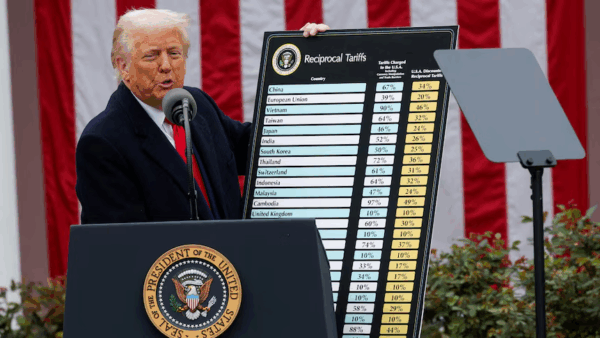
ドナルド・トランプの政策は、アメリカの貿易戦争を激化させ、国際的な不安定性を生み出している。各国が商業外交を壊し、関税を武器とする新たな戦略に移行。米国の影響力が揺らぎ、各国が防衛や独立の方針を再考し始めている。
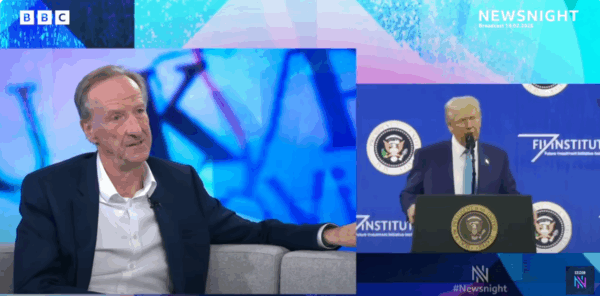
As Donald Trump labels Ukraine’s President Zelensky a “dictator” amidst US-Russia peace talks, Sir Alex Younger and Catherine Belton analyze the implications for international relations. They suggest the White House is initiating a potentially transformative “new era” in diplomacy during a discussion featured on BBC’s Newsnight program.
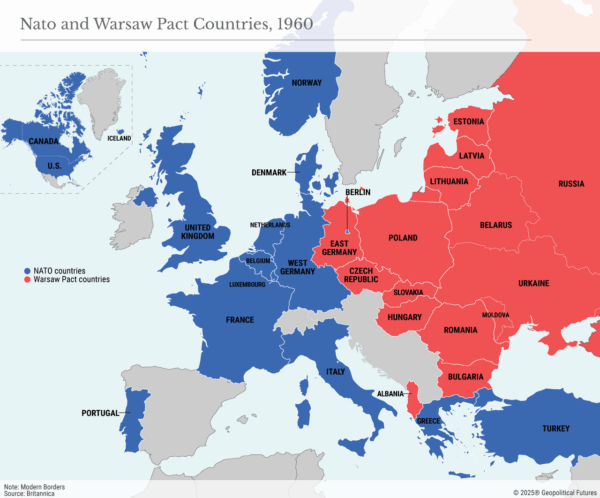
The post discusses the historical context of communism and compares it to contemporary political phenomena, particularly the influence of Donald Trump on U.S.-European relations. It highlights the erosion of traditional alliances, the internal crises faced by the U.S., and how authoritarianism gains traction amid global instability. The implications of this shift are profound.
The document provides navigation instructions for reading its contents and includes a list of additional resources and videos related to various topics, such as Trump’s foreign policy, global economic prospects, and political risks for 2025. Each link offers further insights into distinct global issues.
Bodies of water have historically been shared yet contested spaces, with various groups claiming ownership or naming them differently. The text highlights significant disputes over names like the Sea of Japan and the Persian Gulf, emphasizing the importance of standardization in an interconnected world. Recent attempts, such as Trump’s renaming of the Gulf of Mexico, illustrate the political implications of geographic names.
The content discusses the global crises stemming from institutional failures post-World War II, comparing the current U.S. situation to historical empires. It highlights the rise of populism linked to disillusionment with democracy, the shift in global power towards China, and the need for new sovereignty concepts in North America. The piece critiques failed governance in Europe and addresses geopolitical dynamics in the Middle East and Russia.
Nobel laureate Paul Krugman, a professor at the City University of New York, critiques President Donald Trump’s tariffs during an appearance on “Bloomberg The Close.” He argues that these tariffs hinder international trade and manufacturing, describing their effect as “throwing sand in the gears” of global commerce.
The content discusses the implications of Donald Trump’s return to the presidency, framing it as the start of an era of certainties amid a political landscape marked by concentrated power. It highlights potential conflicts, disruptive policies, and Trump’s alliances, particularly with technocrats like Elon Musk, as shaping U.S. and global dynamics moving forward.
In the early twenty-first century, optimism for global development was high, yet progress has faltered. The long-term growth outlook for developing economies is weak, with many facing stagnation. Despite initial growth, challenges like aging populations, geopolitical tensions, and climate change threaten future progress. A fresh strategy is crucial for overcoming these obstacles.
The content highlights key discussions involving political and economic themes. It covers Germany’s potential exit from the EU, insights on global order from Fukuyama and Bremmer, technological involvement in governance from Andreessen, Dimon’s economic concerns, and Harari’s reflections on truth in the face of information overload and ecological crises.