関税の山
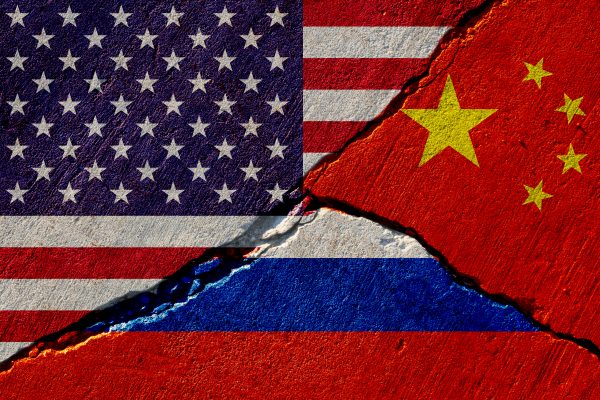
ドナルド・トランプの政策は、アメリカの貿易戦争を激化させ、国際的な不安定性を生み出している。各国が商業外交を壊し、関税を武器とする新たな戦略に移行。米国の影響力が揺らぎ、各国が防衛や独立の方針を再考し始めている。
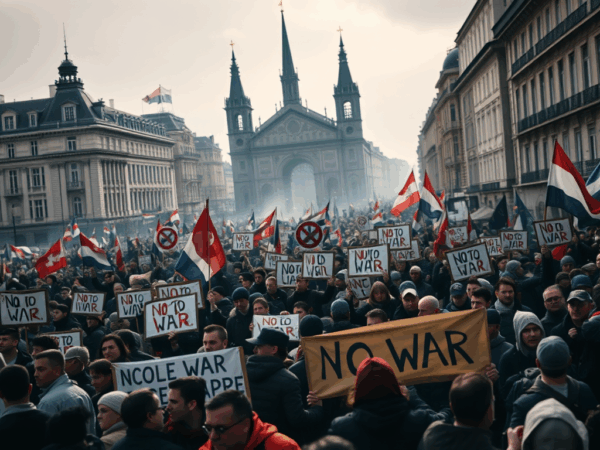
The interplay of emotions significantly shapes human perception, especially during conflicts. The recent infiltration of Israel by Hamas revealed vulnerabilities in its defenses. This global state of war affects various regions, including Mexico, where accountability for over 120,000 disappearances is crucial for future stability and international respect.
The article discusses the shifting dynamics of international conflict, particularly the U.S. stance on Ukraine amidst its struggle against Russian aggression. It highlights Europe’s growing centrality in ensuring Ukrainian resistance and the complexities involved, including Trump’s demands and the broader implications for democratic values versus authoritarian populism.
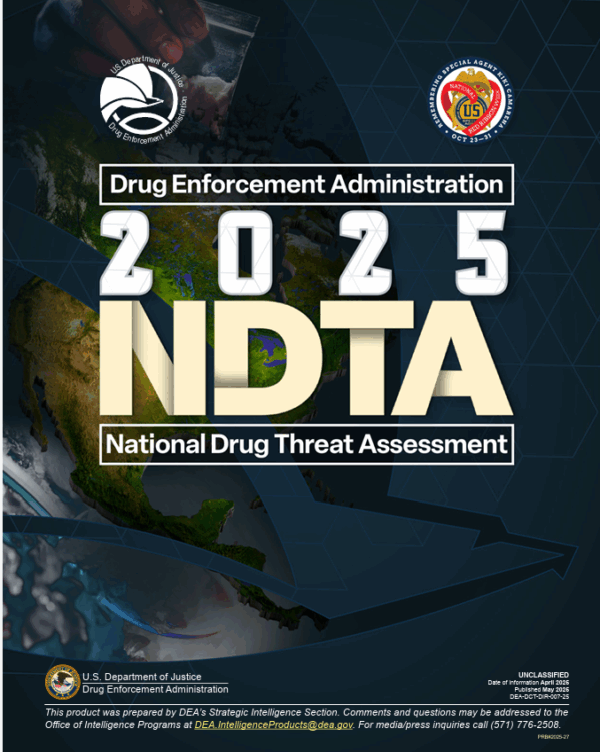
The content discusses the contrasting dynamics of sovereignty between Ukraine and Mexico amid political tensions. It highlights Western support for Ukraine against Russian aggression, emphasizing the need for effective governance. In contrast, it critiques Mexico’s issues with drug cartels and governance, suggesting a decline in sovereignty and effective justice.
As Donald Trump labels Ukraine’s President Zelensky a “dictator” amidst US-Russia peace talks, Sir Alex Younger and Catherine Belton analyze the implications for international relations. They suggest the White House is initiating a potentially transformative “new era” in diplomacy during a discussion featured on BBC’s Newsnight program.
The post discusses the historical context of communism and compares it to contemporary political phenomena, particularly the influence of Donald Trump on U.S.-European relations. It highlights the erosion of traditional alliances, the internal crises faced by the U.S., and how authoritarianism gains traction amid global instability. The implications of this shift are profound.
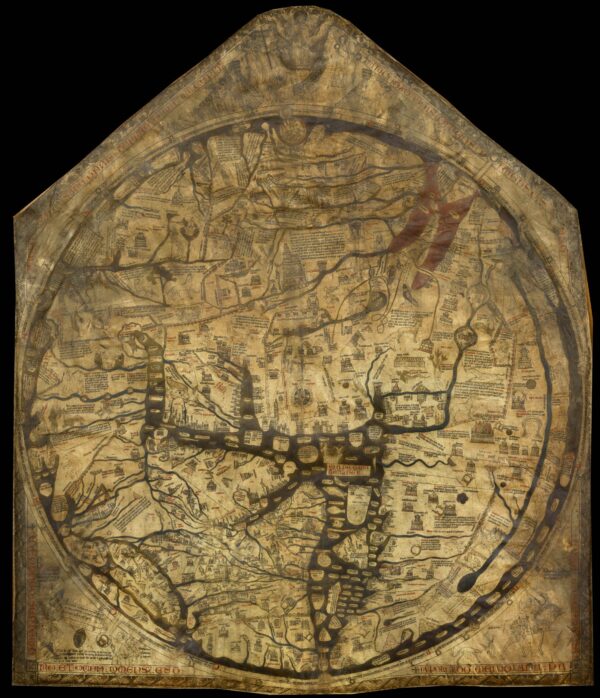
Bodies of water have historically been shared yet contested spaces, with various groups claiming ownership or naming them differently. The text highlights significant disputes over names like the Sea of Japan and the Persian Gulf, emphasizing the importance of standardization in an interconnected world. Recent attempts, such as Trump’s renaming of the Gulf of Mexico, illustrate the political implications of geographic names.
The content discusses the global crises stemming from institutional failures post-World War II, comparing the current U.S. situation to historical empires. It highlights the rise of populism linked to disillusionment with democracy, the shift in global power towards China, and the need for new sovereignty concepts in North America. The piece critiques failed governance in Europe and addresses geopolitical dynamics in the Middle East and Russia.
The agreement between the European Union and Mercosur marks the establishment of the world’s largest free trade zone, impacting over 700 million consumers. This deal emphasizes international cooperation, climate commitments, and potential economic benefits for Latin America’s economies, aligning with global trade advancements and democratic values amidst political challenges.
The piece discusses Mexico’s potential for economic growth while addressing President Sheinbaum’s goals for inclusive development and social programs. It critiques past government failures, emphasizing the need for clear rules, trust, and a focus on productivity to harmonize social benefits and economic progress. Successful transformations rely on stable, supportive government policies.