Imagining the Surrender of Ukraine

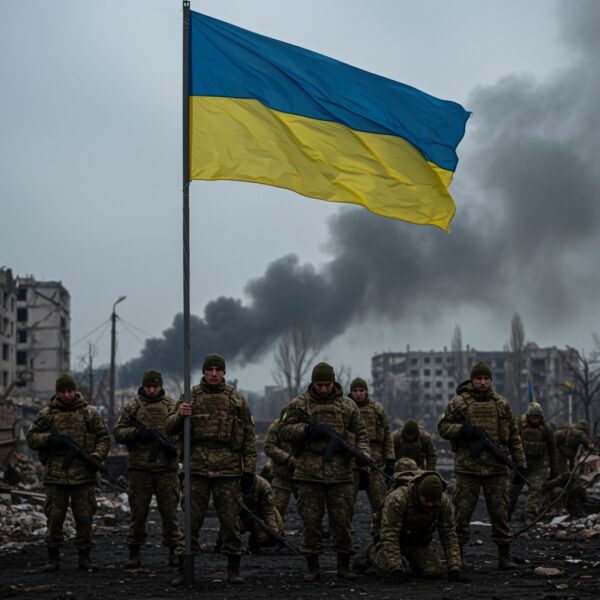
The imagined surrender of Ukraine to Russia could validate aggressive territorial claims and destabilize global power relations. This scenario threatens Europe, undermines NATO, and suggests a shift in U.S. policy that empowers authoritarian regimes. A new world order may emerge if international norms fail to contain such aggressiveness.

The Role of Fear in Political Control

The emergence of industrial society brought security as a crucial factor for stability, emphasizing legal protections and trust in governance. However, recent political shifts, particularly under Trump, have led to increased unpredictability and fear. This uncertainty impacts global politics, leaving countries in a precarious state, navigating potential instability.

The Damage is done, Trump’s Tariff Threats: Economic and Political Consequences

Trump’s tariff threats manipulate global dynamics, impacting countries like Canada and Mexico, while failing to resolve the Ukraine conflict. His demands from Russia and Hamas reveal a lack of understanding of complex geopolitical realities. The resulting economic and political crises in Mexico demonstrate the potential for long-term damage, requiring substantial policy changes for recovery.

The Betrayal of the Ally.

The article discusses the shifting dynamics of international conflict, particularly the U.S. stance on Ukraine amidst its struggle against Russian aggression. It highlights Europe’s growing centrality in ensuring Ukrainian resistance and the complexities involved, including Trump’s demands and the broader implications for democratic values versus authoritarian populism.

Understanding Sovereignty in Global Politics

The content discusses the contrasting dynamics of sovereignty between Ukraine and Mexico amid political tensions. It highlights Western support for Ukraine against Russian aggression, emphasizing the need for effective governance. In contrast, it critiques Mexico’s issues with drug cartels and governance, suggesting a decline in sovereignty and effective justice.

Luis Maizel’s Monthly Letter: Uncertainty Persists

On March 3rd, impending tariffs on imports from Mexico and Canada raised concerns over inflation and consumption in the U.S. The article discusses the complexities of trade relationships, the response to President Zelensky’s visit, and the uncertain economic outlook, particularly regarding tariffs, government spending, and foreign investments, including in Mexico.

Trump’s Ukraine Meeting: An Ambush Unveiled

The meeting between Ukraine’s president and Trump at the White House aimed to finalize an economic agreement, but it devolved into a spectacle highlighting Trump’s lack of security guarantees for Ukraine. Zelensky’s refusal to cede economic sovereignty without assurances from the U.S. demonstrated the persistent need for genuine security guarantees against Russia’s threats.

Trump vs. Zelensky: The Hidden Dangers for Mexico

The ongoing feud between Zelensky and Trump poses potential risks for Mexico. Trump perceives Mexico as vulnerable due to its fragile economy and drug trafficking issues, leading to possible U.S. pressures and intervention threats. Mexico’s diminished international standing further complicates its response, making it a target for U.S. demands and scrutiny.

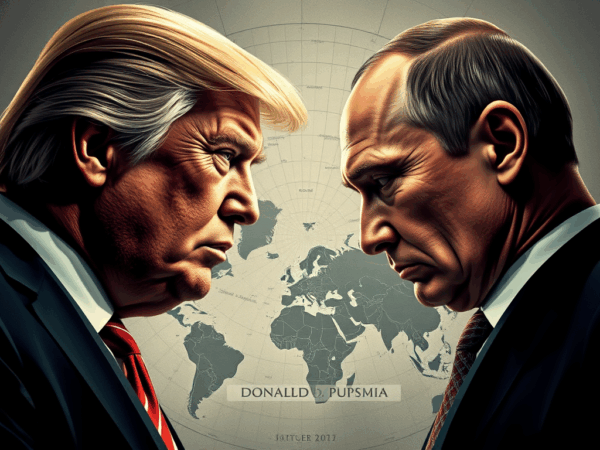
Trump-Putin: The World of the Strong.

The text discusses historical parallels between political maneuvers before World War II and current geopolitical tensions involving Russia, Ukraine, and the United States. It highlights the complexities of alliances, the implications of strong leadership, and how past mistakes may influence today’s global landscape. Ultimately, it questions the outcomes of historical and current conflicts.

The Counterpart

The relationship between Mexico and the U.S. has been tumultuous, particularly since NAFTA’s inception amidst Mexico’s economic crisis. Trump’s presidency, characterized by volatility and autocratic tendencies, raises concerns about U.S. governance’s stability and its repercussions for Mexico. Effective counterweights—particularly the judiciary and market responses—are crucial to manage this uncertainty.

Shares