「我們所知的世界已死」
這篇文章探討了當前全球政治的危機,特別是美國在軍事和經濟上的衰退,及中國和印度崛起的影響。此外,作者指出歐洲和中東的結構性問題,以及極右勢力的崛起,共同導致民主的破壞和社會整合的失敗。
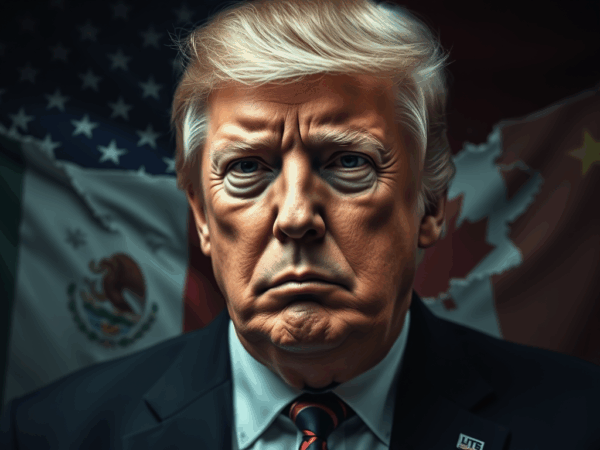
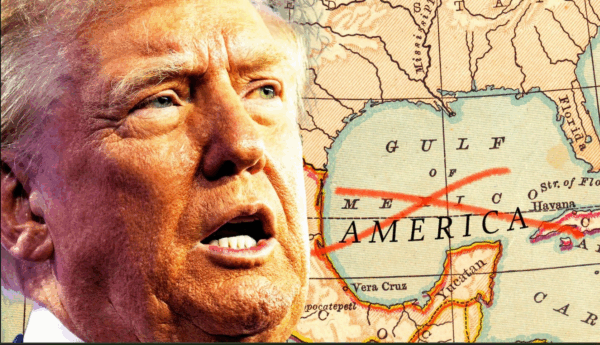
Donald Trump’s presidency has seen aggressive maneuvers aimed at undermining U.S. allies, exemplified by delayed tariffs that threaten Mexico’s economy and weakened support for Ukraine. His actions reflect a self-serving ideology, with dangerous implications for international relations, cultural diversity, and democracy, fostering divisions and vulnerability in both the U.S. and Latin America.
The content discusses the global crises stemming from institutional failures post-World War II, comparing the current U.S. situation to historical empires. It highlights the rise of populism linked to disillusionment with democracy, the shift in global power towards China, and the need for new sovereignty concepts in North America. The piece critiques failed governance in Europe and addresses geopolitical dynamics in the Middle East and Russia.
The content discusses the implications of Donald Trump’s return to the presidency, framing it as the start of an era of certainties amid a political landscape marked by concentrated power. It highlights potential conflicts, disruptive policies, and Trump’s alliances, particularly with technocrats like Elon Musk, as shaping U.S. and global dynamics moving forward.
The content discusses the evolving nature of leadership and diplomacy, emphasizing how historical threats have often materialized despite public disbelief. It critiques Donald Trump’s approach to governance, likening it to a prelude to confrontation rather than a means of resolution. The piece warns of the turbulent political climate and uncertain future.
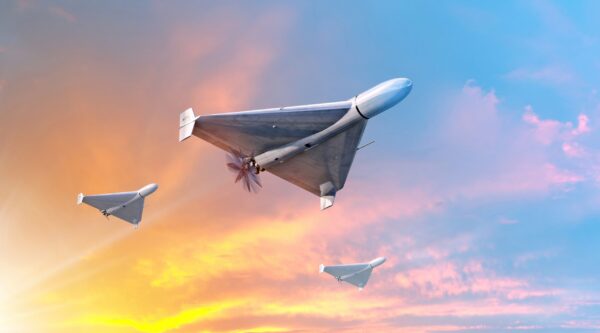
The ongoing wars in Ukraine and Israel manifest a shift in warfare, highlighting the pivotal role of drones. These technologies allow for strategic advantages, reducing soldier exposure while enhancing effectiveness. Nations are adapting to this reality, facing new challenges as even organized crime, like Mexican cartels, begin utilizing drone technology in confrontations.
In 2025, the world appears promising with diplomatic progress in major conflicts and economic expansion amid a growing population. However, significant challenges persist, particularly the lack of global governance and cooperation. The United States and China prioritize self-interests, leaving global issues unresolved, threatening sustainability and deepening societal divides.
The expectation for peace between Russia and Ukraine under Donald Trump’s presidency is met with skepticism. Scenarios suggest Ukraine may have to concede territory and U.S. support could diminish, leading to potential conflicts. The future remains uncertain, especially regarding Russia’s motives and Ukraine’s historical commitment to sovereignty.
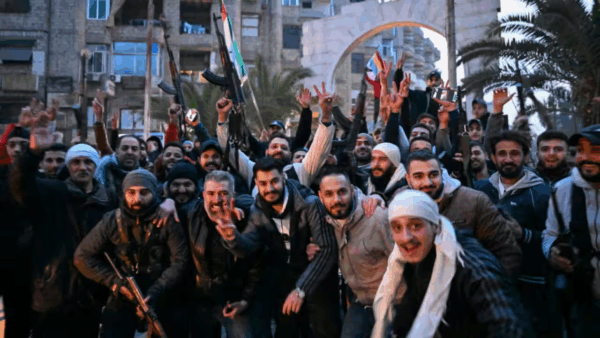
The content discusses the geopolitical shifts following the October 7, 2023, attack by Hamas on Israel, highlighting the implications for the Assad dictatorship in Syria. It emphasizes Israel’s strengthened military position amid regional instability, the ongoing Syrian crisis, and the impact of external alliances involving Russia, Iran, and Turkey in shaping the area’s future.
As we near the midpoint of the 2020s, the decade characterized by rising equity markets and strong economic growth faces challenges like global conflicts and inflation. Key factors shaping the next stage include US political changes and technological innovations. Market outcomes remain unpredictable, emphasizing the need for diversification and adaptability in investments.