Mexico’s Espionage Crisis: The Unseen Consequences.

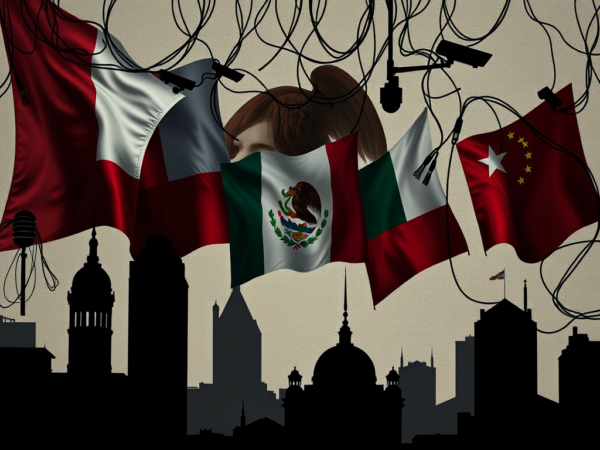
The Mexican Foreign Ministry disclosed a confidential list of 14 countries with security personnel in Mexico, revealing a potential weakness in diplomatic relations. Notably absent are nations like Russia, Cuba, and Venezuela, prompting questions about Mexico’s transparency and complicity in espionage. This situation undermines Mexico’s credibility and complicates future foreign negotiations.

2025: A Year to Remember.

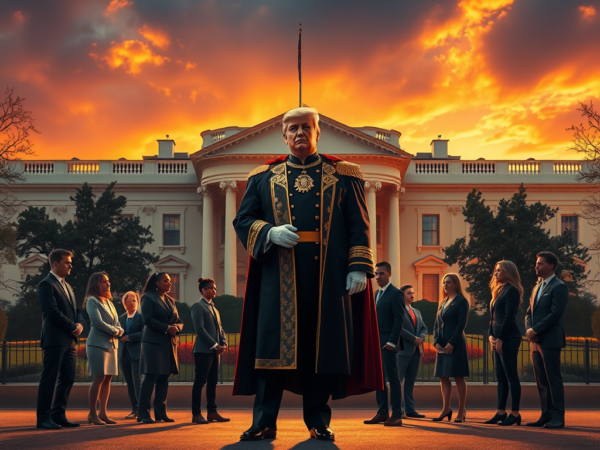
The end of the year reflects a challenging global climate, with wars and economic instability. Trump’s administration has shifted power dynamics in the U.S., sidelining traditional political structures. The upcoming USMCA renegotiation will be crucial for regional economic stability, as issues of leadership ineptitude underline a deeper crisis in democracy and governance.

China vs Mexico: Lessons in Development Models.

The content explores the contrasting development paths of nations like China and Mexico. Dan Wang emphasizes China’s rapid infrastructure advancements, while Carl Frey highlights the need for a balance between centralization and decentralization for effective progress. Both authors argue against blindly imitating successful models without considering local contexts. Mexico’s challenges stem from a lack of this balance.

Canada’s Economic Outlook 2026

The Canadian economy is expected to grow slightly over 1% in 2025 and 2026, avoiding recession despite trade uncertainties. Consumer spending and government initiatives support growth, though unemployment may rise initially. Regional economic performances differ, with Atlantic Canada performing well, while Ontario faces significant challenges due to tariffs and real estate corrections.

Mexico, Stuck in Time.

The text discusses Mexico’s struggle to achieve sustained economic growth since the mid-20th century, emphasizing the failures of successive governments. It highlights the paradox of Mexico as both prosperous and stagnant, attributing this to neglect of critical infrastructure and effective governance. Political conflicts further hinder needed reforms.

AMLO Comes To The Rescue.

Andrés Manuel López Obrador resurfaces to rescue the struggling Morena party and Claudia Sheinbaum’s presidency, facing internal chaos, lost credibility, and public unrest. The assassination of mayor Carlos Manzo ignites protests, while government repression and economic stagnation deepen the crisis, leading to questions about López Obrador’s potential solutions for Mexico’s issues.

The Fall Of The First “Untouchable”.

Alejandro Gertz Manero’s removal as Attorney General highlights the dynamic nature of political loyalties and the unpredictability of power. His tenure, originally seen as secure, ended amid shifting political landscapes. This change raises concerns about the justice system’s integrity and the government’s commitment to uphold individual rights and legal guarantees in Mexico.

On How Mexico’s Government Deceives The World.

Mexico’s President Claudia Sheinbaum’s absence from key international forums has drawn criticism, particularly regarding drug trafficking and violence. This lack of engagement coincides with a demoralized diplomatic corps and a government hesitant to openly address controversial issues. Mexico’s foreign policy operates in secrecy, reflecting a disconnect with its economic partners and democratic values.

Sheimbaum Declares War To Mexicans.

Mexico’s president reacts aggressively to the November 15 mobilization, perceiving it as a threat to her government despite having centralized power. She labels protesters as colluding with conspirators while escalating repression against dissent and the media. This situation highlights a governance crisis rooted in political weakness and economic decline, leading to authoritarian measures.

The Reign of Arbitrariness

President Sheinbaum claims the transfer of flights to AIFA was not politically motivated, yet it breaches bilateral aviation agreements. This reflects a broader issue of arbitrariness in governance, undermining institutions and laws that uphold social order. Ignoring these principles might deter investment and exacerbate societal grievances, damaging Mexico’s economic foundations.

Shares