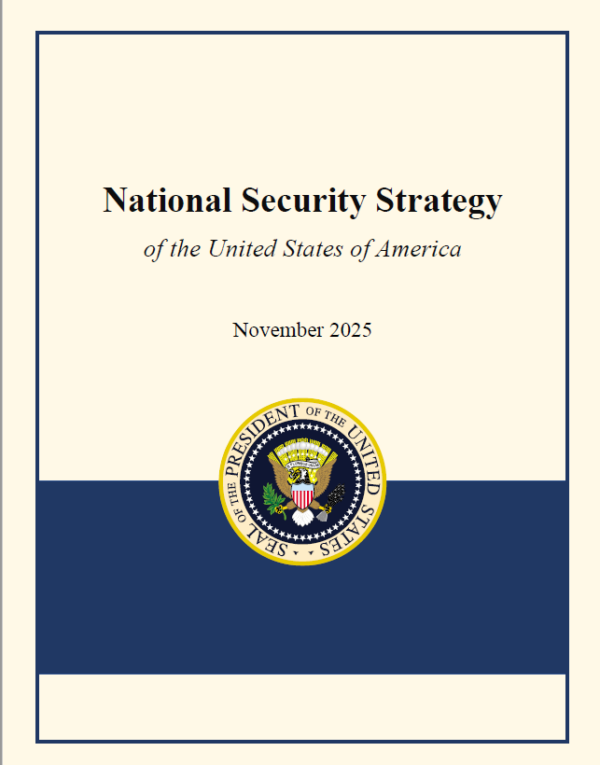

U.S. National Security Strategy.

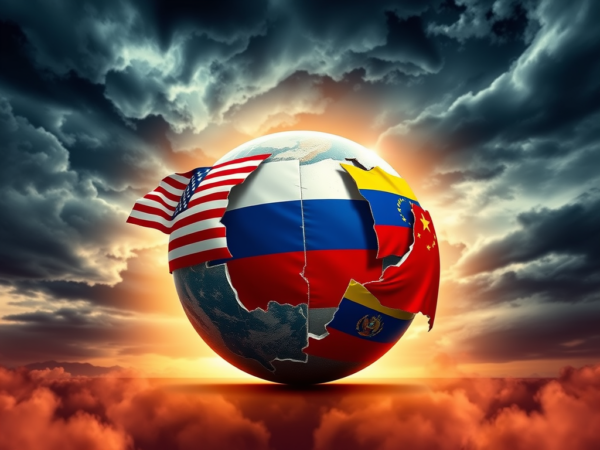
This official report of the United States Government outlines the priorities of the Trump administration concerning foreign policy, revealing a shift in its geopolitical strategy and values.

Luis Maizel’s Monthly Letter: The United States Is Becoming Increasingly Polarized.

The political climate in the U.S. is increasingly polarized, with extreme leftist and rightist ideologies dominating. Economic indicators show stability, despite rising layoffs and inflation. In Mexico, business sentiment is low amid government unrest. Globally, economic growth varies, with advancements in AI and challenges in countries like China and Japan.

Steve Bannon and Modern Conservatism: A Deep Dive into His Ideological Roots

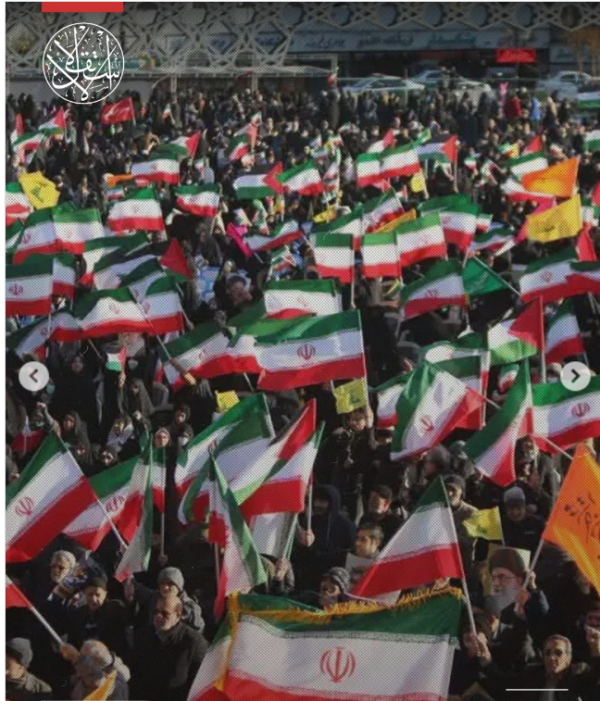
The Iranian clerical revolution in 1979 led to a US embassy hostage crisis, impacting Jimmy Carter’s presidency. Steve Bannon, involved in military operations, later became a significant figure linking right-wing populism to traditionalist thought. He critiques modernity, promotes nationalist policies, and influences the Trump movement through media and ideologies rooted in religious and historical cycles.

Authoritarian Populism and Media Warfare.

Pablo Iglesias, former vice president of Spain, embraces authoritarian populism through media initiatives like Canal Red and Diario Red, aiming to polarize audiences. Backed by substantial foreign funding, his approach seeks to challenge liberal democracy, promoting a narrative against reactionary voices while manipulating public discourse in Latin America and beyond.

Edelman Global Trust Barometer 2025.

The content includes various articles and reports focusing on global trust, economic outlooks, and market analysis for 2025. Topics range from JP Morgan’s initiatives, gold market trends, geopolitical impacts of tariffs, and assessments of government leadership. These resources aim to provide insights into critical industries and economic dynamics.

U.S. National Security: Mexico’s Strategic Role.

The United States views Mexico as a crucial player in its geopolitical strategies concerning Latin America, particularly in relation to Venezuela and Colombia. Recent actions suggest a testing ground for influence in Mexico, amid concerns about its alliance with drug traffickers and opposition to U.S. policies. Mexico’s foreign policy risks increasing regional tensions.

Must-Watch Video: State of the World 2025

Ian Bremmer’s annual State of the World address on October 21, 2025, in Tokyo outlined key geopolitical developments, including growing global uncertainty due to the unpredictable U.S., evolving U.S.-China relations, and strategies adopted by U.S. allies. The speech was part of the 2025 GZERO Summit hosted by Eurasia Group.

The Award That Takes Mexico’s Mask Off.

María Corina Machado’s receipt of the 2025 Nobel Peace Prize highlights her fight against Nicolás Maduro’s regime in Venezuela, fostering renewed hope for democracy among citizens. However, Mexico’s government, represented by President Sheinbaum, notably refrains from supporting Machado, instead maintaining ties with Maduro’s dictatorship, exposing contradictions in Mexico’s foreign policy.

What a Strange President!

Pablo Hiriart’s opinion is that President Trump surprises constantly with decisions that seem strange and dangerous, and their impact carries consequences given the enormous power of his office. He analyses a few recent statements and their potential effect on world peace.

Regime Change.

The text highlights an impending confrontation between Mexico and the US due to drug cartel complicity with the Morena government, particularly under Dr. Sheinbaum. Critics argue about her lack of political acumen and express concerns over potential US intervention as tensions rise, advocating for a national pact for a democratic transition in Mexico to avert crisis.

Shares