
Consequences.

The article critiques the Mexican government’s reliance on state-centric policies and public spending as a means to solve problems. It highlights the risks of such an approach, particularly under Morena’s leadership, which faces severe fiscal constraints while adhering to outdated ideologies. The consequences of ignoring economic fundamentals could lead to serious eeconomic crisis.

Why Argentina’s Economic Collapse is a Warning to the World.

Argentina, once a prosperous nation, now faces economic turmoil largely due to the long-term effects of populist policies. This video details how such short-sighted remedies can lead to decades of decline, making it increasingly difficult for the country to recover from its ongoing economic crisis.

More Cynics Please.

The post critiques the political landscape in Mexico, highlighting the controversial appointment of Hugo López-Gatell to WHO amid public outrage over his handling of the pandemic, which resulted in significant death tolls. It reflects on political cynicism and the ethical expectations of public servants, emphasizing ongoing issues in the nation’s governance.

When The Left Ceases To Be The Left.

The commentary critiques the National Regeneration Movement (Morena), arguing it has strayed from its leftist identity. It highlights the decline of civil left in Mexico, the rise of military control over governance, and the need for a genuinely principled left that rejects authoritarianism. A revival of accountability and democratic principles is essential.

The War of the Worlds.

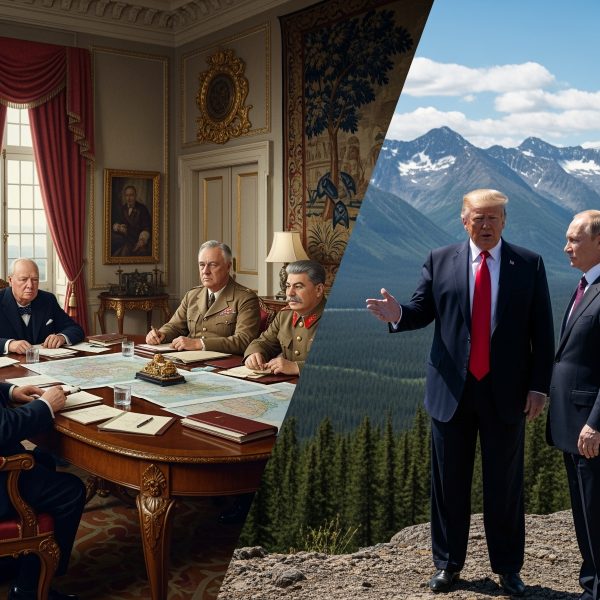
The World has changed forever, not necessarily for the good of human civilization. There are challenges to overcome if we aspire to live in a world where human rights and the rule of law prevail over tyranical regimes. The world we knew is over and it will not return.

“They Will Have To Present Evidence.”

President Sheinbaum’s response to Ovidio Guzmán’s plea deal reveals her anxiety about potential revelations linking Mexican officials to drug trafficking. Amidst concerns over complicity within her party, she echoes López Obrador’s demand for evidence from U.S. authorities, exposing her political vulnerability and the pervasive double standards in combating drug-related corruption.

The Institution.

The 20th-century in Mexico was marked by revolution, political stability, and economic challenges, largely shaped by the PRI. This party maintained governance and absorbed crises until its decline in 2000. The current party, Morena, struggles to fulfill similar roles, exposing governance deficiencies that hinder Mexico’s political and economic recovery.

Luis Maizel’s Monthly Letter: June, A Momentous Month.

Israel’s attack on Iran, backed by the U.S., aims to disrupt nuclear bomb development, potentially altering Middle Eastern dynamics. The U.S. Supreme Court strengthened presidential power over national policies. Economic trends show U.S. manufacturing slowing, while job creation declines. Mexico’s inflation remains high, and geopolitical shifts impact global markets and trade relations.

Corruption and Crime: Challenges in Mexico Today.

The content illustrates Mexico’s deteriorating security and governance, highlighting the government’s inability to control rampant crime, illegal activities, and economic issues. It discusses the increasing dangers of drug trafficking, theft, and the inefficacy of public institutions. Ultimately, it critiques the leadership of current officials, emphasizing their failure to address pressing national concerns.

There Is No Turning Back.

The era initiated by Trump reshapes US-Mexico relations, influencing migration, security, and economic policies irrespective of political party. Historical Democratic compliance with similar goals hints that these challenges will persist. Mexico must prepare for significant governance changes to address drug trafficking, or face dire consequences from ongoing corruption and insecurity.

Shares