
The Fascination With Disaster.

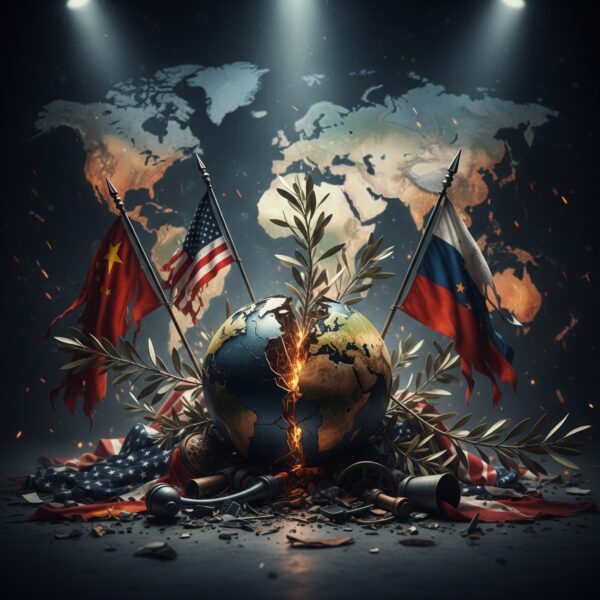
In a landscape filled with immediate crises, such as pandemics and wars, long-term threats like climate change struggle for attention. Despite undeniable evidence and urgent warnings, human fascination with catastrophe persists, reflecting a desire for last chances. Cultural narratives can amplify this paradox, revealing deeper psychological connections to destruction and survival.

Lessons from Kipling: Power and Memory Today.

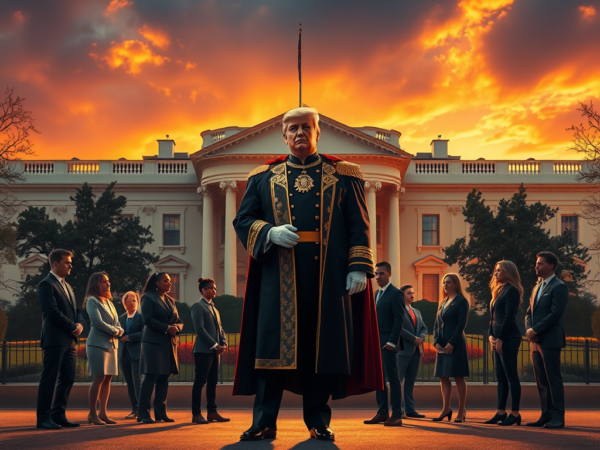
The article reflects on contemporary global political dynamics, drawing parallels between historical and current leadership in the U.S. It critiques Donald Trump’s approach to governance as deeply self-serving, contrasting it with past administrations that sought global cooperation. It concludes that today’s events reveal a power struggle influenced by historical economic rivalries and geopolitical strategies.

The Award That Takes Mexico’s Mask Off.

María Corina Machado’s receipt of the 2025 Nobel Peace Prize highlights her fight against Nicolás Maduro’s regime in Venezuela, fostering renewed hope for democracy among citizens. However, Mexico’s government, represented by President Sheinbaum, notably refrains from supporting Machado, instead maintaining ties with Maduro’s dictatorship, exposing contradictions in Mexico’s foreign policy.

Exploring Beethoven’s Triple Concerto: A Musical Feast.

Beethoven’s Triple Concerto showcases his inventive spirit and humor through complex architecture and melodic richness. Celebrated artists Anne-Sophie Mutter, Yo-Yo Ma, and Daniel Barenboim, accompanied by the West-Eastern Divan Orchestra, deliver a vibrant performance of this uplifting piece at the Philharmonie, Berlin in 2019.

Gold Market Commentary: Stubburn Stagflation.

The content discusses the current gold market amidst persistent stagflation, emphasizing rising gold prices driven by economic uncertainties. It includes links to various related articles, covering topics like tariffs, economic outlooks, and strategies from financial leaders, providing insights into the implications of these factors on the global economy and investment climate.

Politics in the Age of Digital Doubles.

The political landscape is shifting as robotic advancements outpace human leadership qualities, with candidates utilizing digital avatars to connect with voters, particularly the youth. However, this reliance risks distorting authenticity and promoting authoritarian tendencies, as illustrated by Yoon Suk-yeol’s presidency, which ended in impeachment due to his detachment from reality.

LuisMaizel’s Monthly Letter: We Continue On Our Way, But There Are Many Potholes In The Road.

The global landscape remains tense, with stagnant conflicts in Ukraine and Gaza, and partisan strife in the U.S. undermining centrism. Economic challenges persist alongside minor positive developments, particularly in Mexico. Meanwhile, countries face inflation and diplomatic tensions, affecting trade dynamics while major U.S. companies show relative resilience amidst headwinds.

The Code Breaker: Jennifer Doudna, Gene Editing, and the Future of the Human Race.

The bestselling author examines the groundbreaking work of Nobel Prize winner Jennifer Doudna and her team in developing CRISPR, a revolutionary tool for DNA editing that promises to cure diseases and enhance health. The narrative raises significant moral questions about genetic manipulation in the evolving life-science revolution.

From Yalta to Alaska.

Eighty years after the Yalta Conference, where major powers divided post-World War II territories, the recent Trump-Putin summit in Alaska starkly contrasts in purpose and outcome. Unlike Yalta, which established frameworks for future peace, the Alaska meeting failed to address the Ukraine conflict. Their approaches and lacks of vision highlight contemporary geopolitical challenges.

Why Ukraine’s War Cannot End.

The article highlights the persistent historical amnesia regarding the Ukraine conflict, emphasizing the need to understand the roots of Russian insecurities and the implications of NATO’s eastward expansion. It argues that resolution requires a reassessment of post-Cold War security dynamics, acknowledging the fears of both Russians and Europeans to achieve peace.

Shares