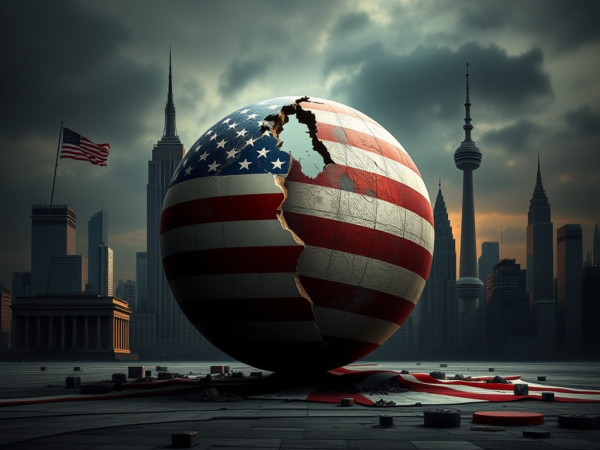
Madness in Power: Consequences for Global Stability.

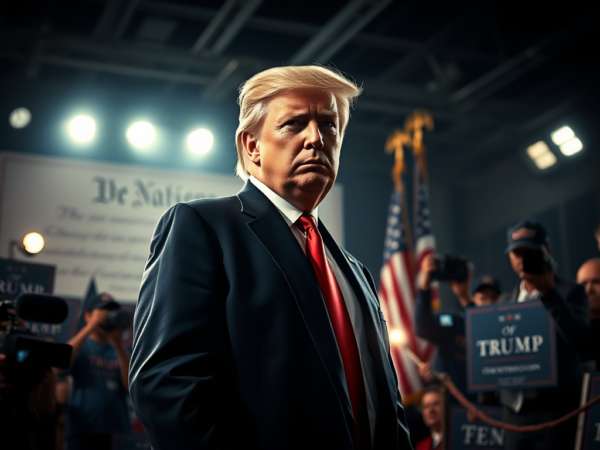
The content critiques the rise of reckless leadership, particularly focusing on Trump’s actions as detrimental to global stability. It contrasts the concept of madness, which can inspire short-term success, with the destructiveness of past tyrants. The author warns that unchecked madness in power threatens democracy and societal well-being.

New World Order: Power, Threats, and Alliances.

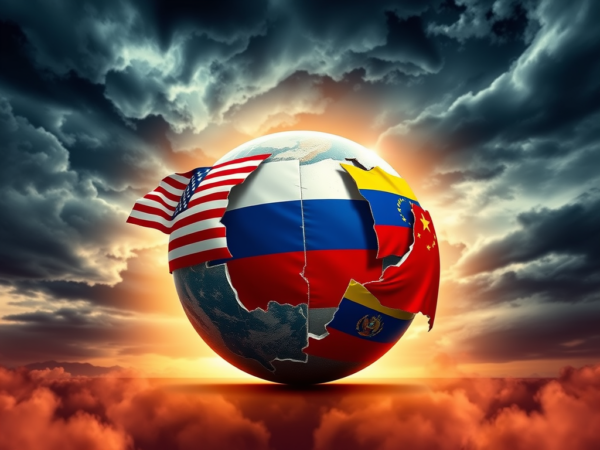
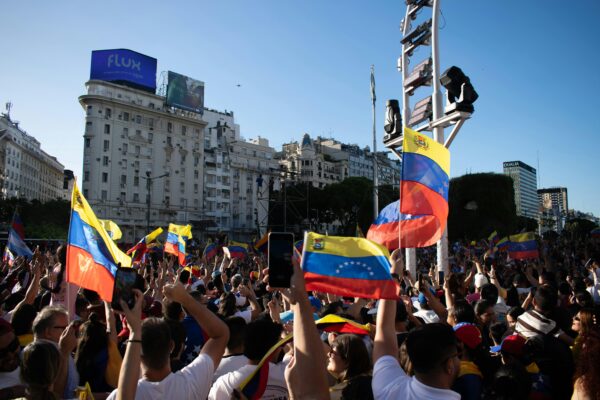
The article discusses the escalating geopolitical tensions driven by US interventions, particularly in Venezuela, which are reminiscent of Russia’s actions in Ukraine. It critiques Mexico’s lack of coherent foreign and national security policies under its current leadership, highlighting the risks posed by external threats and internal inconsistencies.

The Collapse of International Diplomacy in the Trump Era.

Since the Congress of Vienna in 1815, the need for institutional mechanisms to prevent chaos has been clear. The U.S. played a pivotal role in fostering global stability post-World War II, emphasizing peace over force. However, under Trump, this commitment has eroded, leading to a dangerous precedence of coercion over diplomacy.

Iran’s Economic Crisis Fuels Rebellion Against Theocratic Regime.

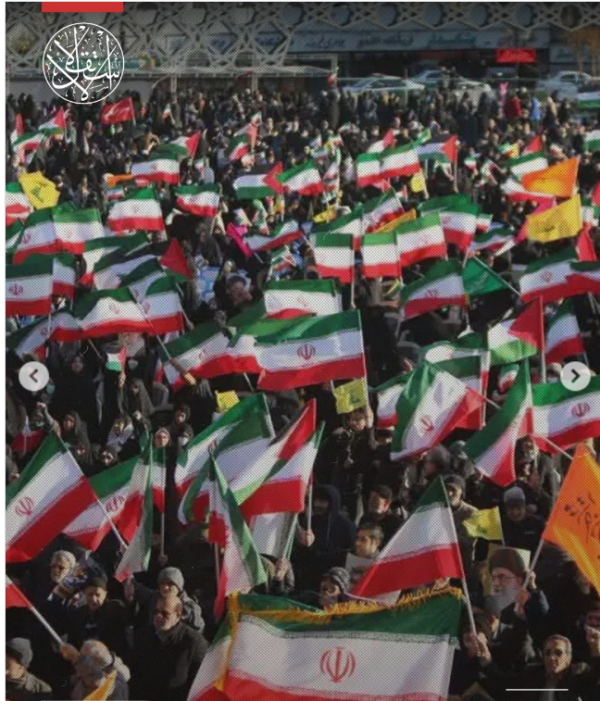
In 2025, María Corina Machado received the Nobel Peace Prize for defending Venezuelan democracy. In 2023, Narges Mohammadi was awarded for her human rights activism in Iran, despite imprisonment. Current protests in Iran, fueled by economic crises and lost support from merchants, challenge the regime’s legitimacy, with calls for significant systemic change.

Governments vs. People: Navigating Sovereignty in Latin America.

The text discusses the evolving relationship between state sovereignty and individual rights, highlighting the inadequacies of the UN in addressing modern issues. It critiques the actions of authoritarian regimes and the failure to uphold human rights, particularly in Latin America. The dilemma of defending people versus governments is central to the discussion.

From Yalta to Alaska.

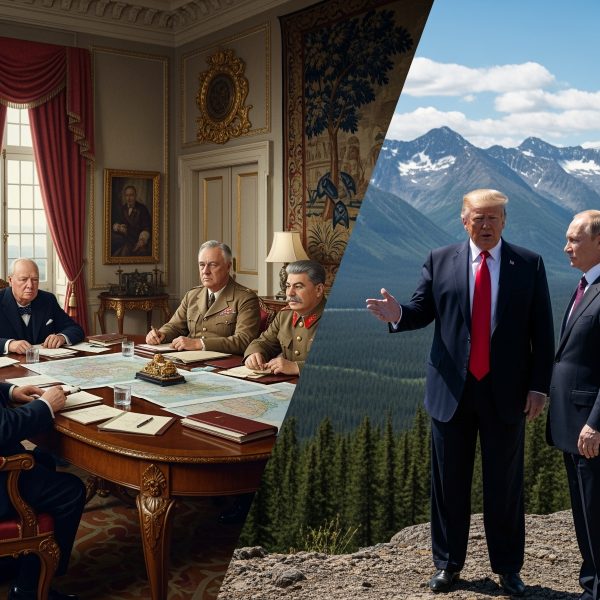
Eighty years after the Yalta Conference, where major powers divided post-World War II territories, the recent Trump-Putin summit in Alaska starkly contrasts in purpose and outcome. Unlike Yalta, which established frameworks for future peace, the Alaska meeting failed to address the Ukraine conflict. Their approaches and lacks of vision highlight contemporary geopolitical challenges.

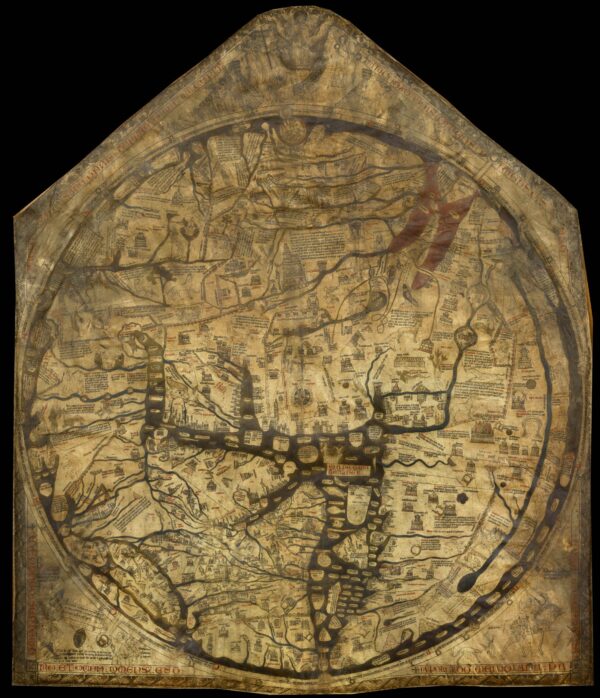
What happened to the Mappa Mundi?

In a dramatic military operation against Iran, the U.S. claimed success in destroying nuclear facilities. Amid a tense global response, including condemnation from Russia, China, and the UN, questions arise about the motives behind the assault and the potential for long-term conflict. Iran’s leaders promise ongoing revenge, complicating future U.S.-Iran relations.

UN Warns Mexico on Disappeared Persons Amid Controversial Ranch Findings.

The United Nations Committee on Enforced Disappearances expressed concern over the treatment of disappeared persons’ remains in Mexico, urging the government to ensure information access for relatives. Mexico denied these claims, pointing to other factors. However, evidence of a site linked to organized crime raised alarms, prompting criticism of the government’s response and actions.

From Cooperation to Thuggery

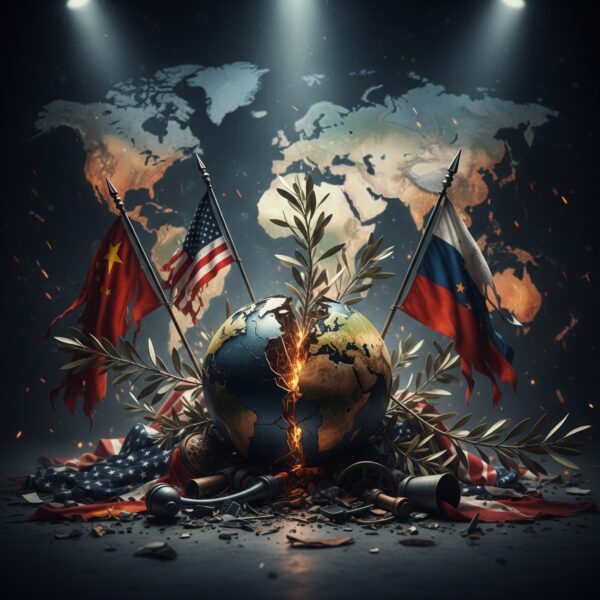
The article discusses the potential collapse of the post-World War II international structure due to the rise of Trumpism. It highlights a crisis in democracy, the erosion of ethical standards, and questions the effectiveness of international cooperation, particularly in supporting developing nations. The implications for global governance and democracy are dire if current trends continue.

The Betrayal of the Ally.

The article discusses the shifting dynamics of international conflict, particularly the U.S. stance on Ukraine amidst its struggle against Russian aggression. It highlights Europe’s growing centrality in ensuring Ukrainian resistance and the complexities involved, including Trump’s demands and the broader implications for democratic values versus authoritarian populism.

Shares