Mexico’s 2027 Elections: Rhetoric and Radicalization Unfold.

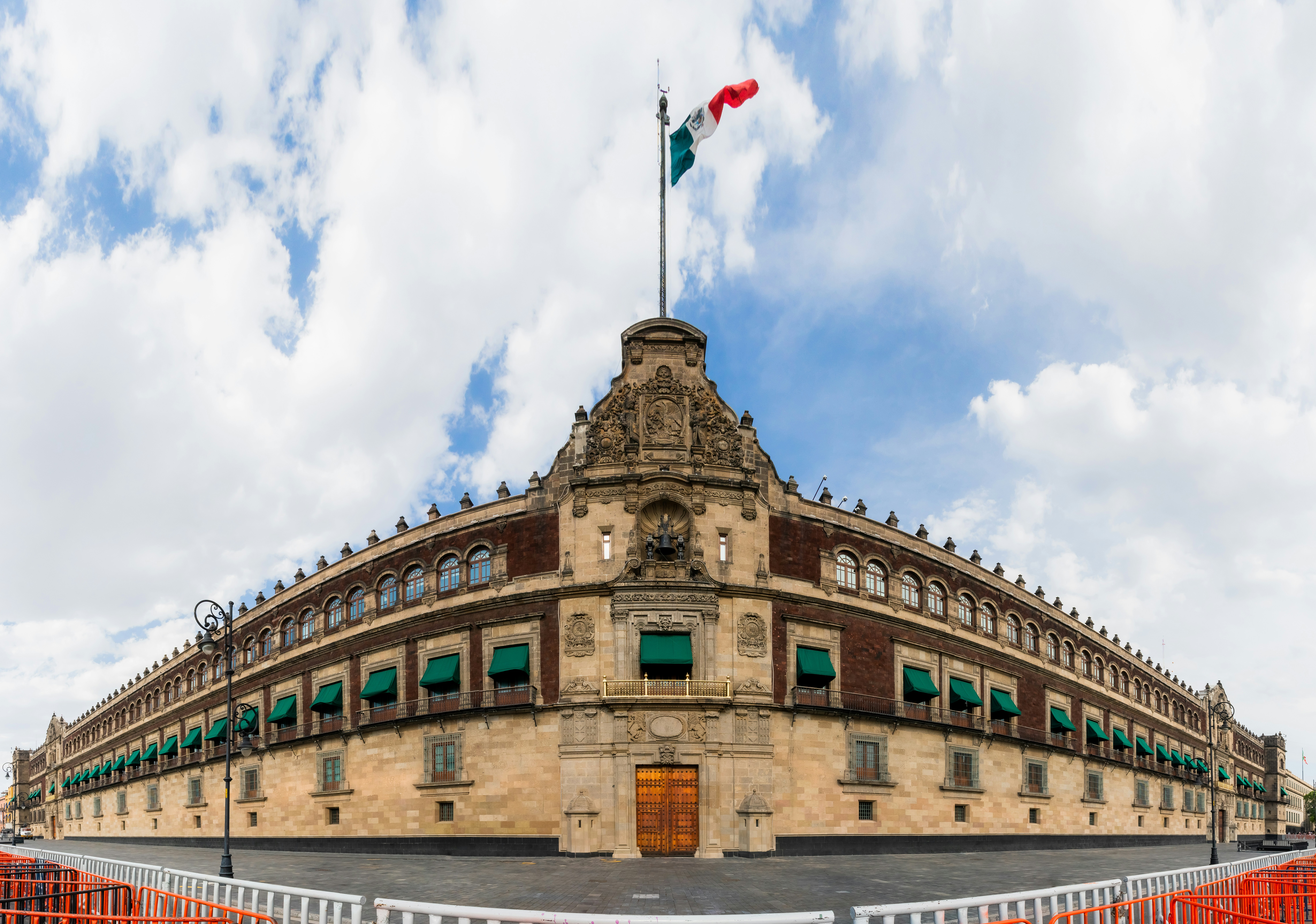
The upcoming June 2027 elections pose a significant challenge for Morena, as it must maintain its congressional majority to avoid political defeat. The president’s confrontational stance, influenced by the U.S. electoral climate and a desire to polarize Mexican society, risks undermining governance while fostering a political crisis.

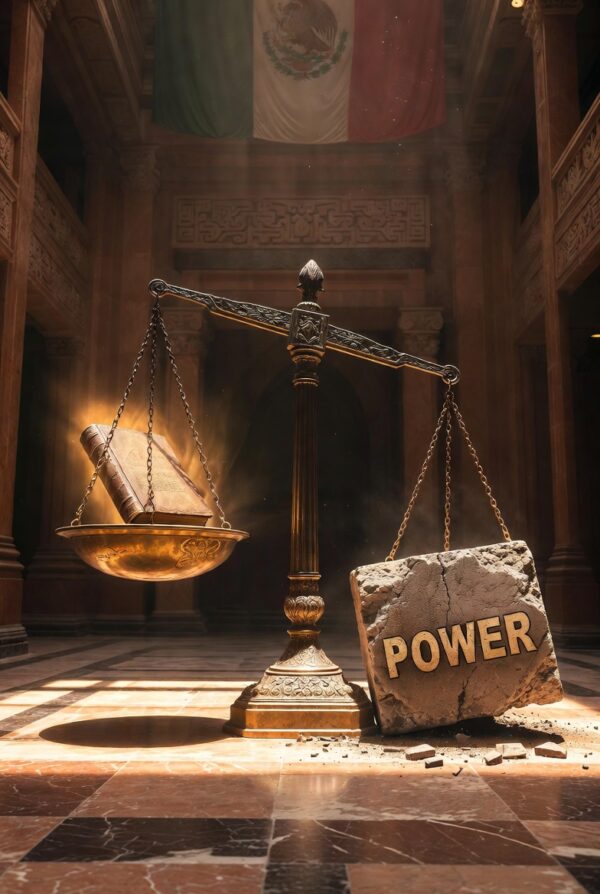
Goodbye to the Fairness of the Law in Mexico.

The article critiques recent actions undermining constitutional Article 14 in Mexico, which protects against retroactive laws that harm individuals. It highlights the freezing of citizens’ bank accounts without court orders, portraying these measures as authoritarian and detrimental to democracy. The author argues these actions create insecurity and hinder justice, affecting workers’ pension rights.

Without Corruption, Morena Would Vanish in the Blink of an Eye.

The ruling party’s policy of denying, concealing, and accusing third parties continues. The 4T eliminate all public mechanisms that allow verification of government spending; second, to restrict public access to information; and finally, to gain control over oversight bodies. The number one enemy of the 4T is accountability and transparency. Without corruption, the 4T vanishes in a heartbeat.

Mexico’s Missing Checks and Balances.

The enduring question of Mexico’s readiness for democracy, first posed in 1908, reflects deep concerns about its political and economic institutions. Despite NAFTA’s initial promise of stability, significant regional disparities and a lack of effective governance persist. Mexico now requires robust institutional checks to foster economic certainty and true democracy.

Mexico Under Siege: Exploring Government Mismanagement

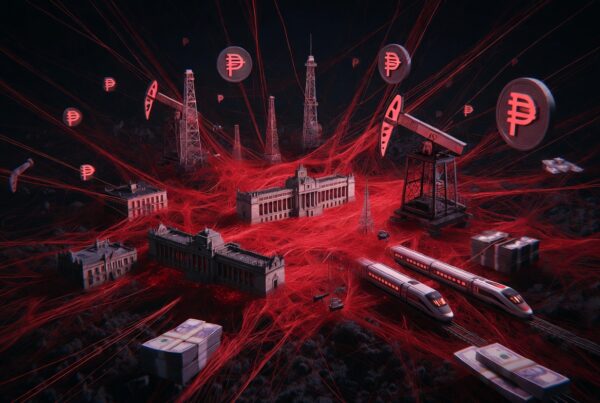
Mexico is facing internal and external crises, exacerbated by a government blind to reality. Economic mismanagement, excessive subsidies, and a lack of investment confidence are driving the nation towards stagnation. The government’s denial of its failures and refusal to accept criticism contribute to severe challenges, both domestically and internationally.

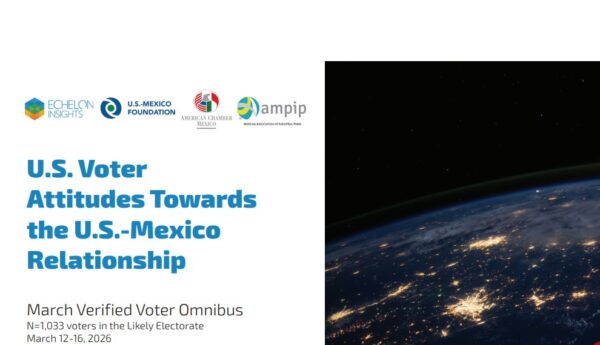
U.S. Voter Attitudes Towards the U.S.-Mexico Relationship.

The content outlines various U.S. voter attitudes towards the U.S.-Mexico relationship, accompanied by further reading links on topics including national defense, economic outlook, and international security strategy. These resources aim to provide insights into current political risks and strategies affecting the U.S. and its foreign relations.

México 2026 Según BBVA

The content presents various discussions and analyses regarding Mexico’s socio-political and economic situation as of March 2026. It includes links to videos and writings from notable figures addressing topics such as democracy, judicial reforms, and economic perspectives, underscoring the ongoing challenges and debates within the country.

Official Truth vs A Complex Reality in Mexico.

The post discusses how the current Mexican government, Morena, mirrors the oppressive narrative-building tactics of past communist regimes, specifically in relation to maintaining control over information and institutions. It criticizes Morena’s disregard for democratic principles and accountability, arguing that this poses a significant threat to Mexico’s political landscape and citizen rights.

The Hypocrisy of Sovereignty.

In Bavispe, Sonora, President Claudia Sheinbaum emphasized Mexico’s fight for social justice and independence while recalling historical US invasions. Governor Durazo showcased national unity amid external pressures, criticizing dissenters. However, a phone call revealed Sheinbaum’s compliance with Trump on halting oil shipments to Cuba, highlighting a tension between public sovereignty and private agreements.

Morena’s Fragile Power: Five Reasons for Concern.

Morena’s initial belief in its moral superiority has faded after seven years in power and now faces significant challenges. Issues like corruption, unsustainable economic strategies, institutional chaos, internal divisions, and ideological inflexibility threaten its continuity. Popularity does not guarantee legitimacy, and the government’s resources are dwindling, risking future stability and governance.

Shares