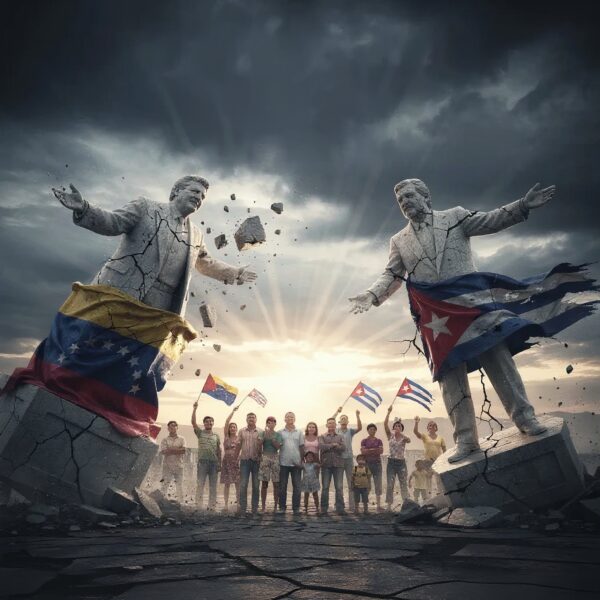
If Maduro Falls, Cuba Will Follow.

Cuban President Díaz-Canel warned of an impending economic crisis, linking it to the US Navy’s seizure of a Venezuelan oil tanker. The two nations share a deeply asymmetrical interdependence; Cuba relies on Venezuela for oil and financial support, while Venezuela benefits from Cuba’s professional services. The anticipated collapse of Maduro could also threaten Cuba’s stability, hinting at a potential political upheaval in the region.

My Readings in 2025.

In times of upheaval, many books emerge addressing significant geopolitical and historical themes. Noteworthy titles include Hal Brands’ exploration of Eurasian geopolitics and Claudio Lomnitz’s analysis of Mexico’s dual realities. Robert Kaplan’s pessimistic insights mirror the Weimar Republic, highlighting the fragility of democracy, while Timothy W. Ryback details Hitler’s rise without popular support.

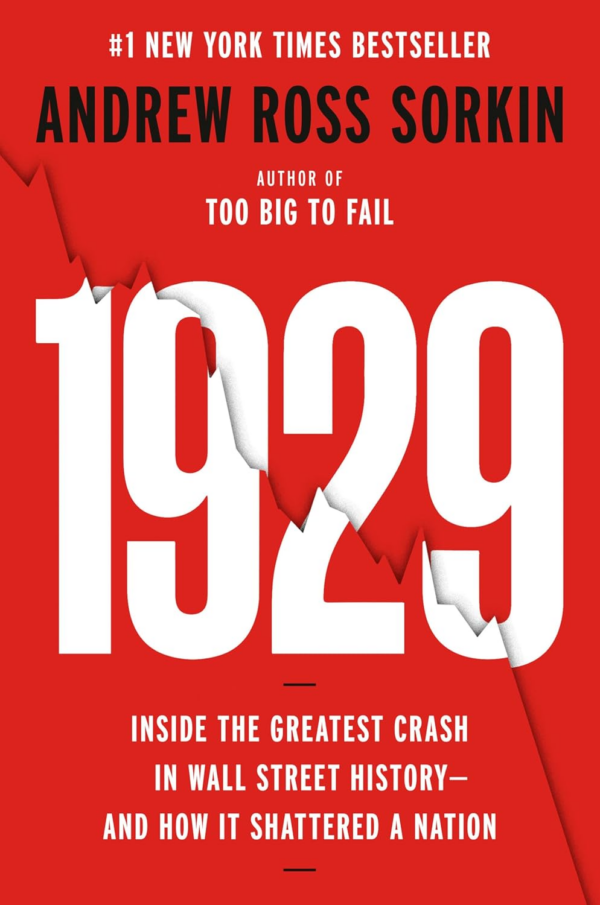
1929 Inside the Greatest Crash in Wall Street.

In 1929, the Wall Street crash unleashed devastation, transforming fortunes and igniting a depression. Author Andrew Ross Sorkin explores this tumultuous era with detailed historical insights, revealing the clash between ambition and naiveté. The narrative serves as a vital lens on financial cycles and the urgency of heeding warning signs for future stability.

Claudia Sheinbaum and Maria Corina Machado: A Clash of Political Ideologies.

The imagined meeting between María Corina Machado and President Claudia Sheinbaum would be fraught due to their contrasting views on Venezuela. Machado aims to discuss resistance to Maduro’s regime, while Sheinbaum defends Mexico’s support for Maduro, highlighting a principled non-intervention stance. Ultimately, their positions are irreconcilable, making the meeting unlikely.

Its Name Is Terrorism.

Sometimes societies become so used to certain outbreaks of violence that they lose sight of what they really represent. We name the events lightly, soften concepts, or reduce them to convenient explanations. But in doing so, we also dilute our ability to understand the true scope of what we are facing. When a government refuses to call terrorism what—by definition—is terrorism, it ends up defenseless against those who have decided to use fear as a tool of power.

The Role of Foreign Intervention in Latin America: A Dilemma for Democracies.

Venezuela’s political turmoil raises questions about interventionism versus national sovereignty. María Corina Machado faces criticism for supporting US measures against Maduro, seen by some as a new colonialism. Supporters argue Maduro’s regime is illegitimate, backed by external powers. A democratic alternative is essential to prevent dictatorship and foreign invasions in Latin America.

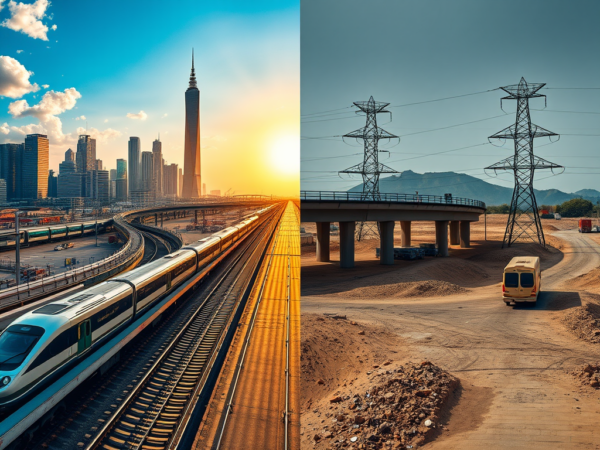
China vs Mexico: Lessons in Development Models.

The content explores the contrasting development paths of nations like China and Mexico. Dan Wang emphasizes China’s rapid infrastructure advancements, while Carl Frey highlights the need for a balance between centralization and decentralization for effective progress. Both authors argue against blindly imitating successful models without considering local contexts. Mexico’s challenges stem from a lack of this balance.

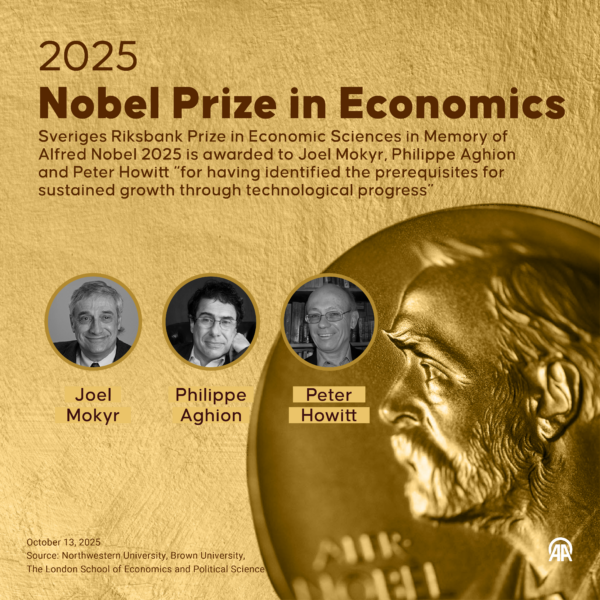
The Nobel Prize in Economics is Explained Simply.

Joel Mokyr, Philippe Aghion, and Peter Howitt won the 2025 Nobel Prize in Economics for their contributions to understanding economic growth through “creative destruction.” Their work clarified how innovation transforms markets, enhancing productivity and well-being, while emphasizing the necessity for continuous renewal as a driver of societal advancement and economic resilience.

The Role of Ethics in Global Politics and Human History.

The content discusses the role of ethics in history and modern society, highlighting global challenges such as migration, racial tensions, and governance failures, particularly in the U.S. and Mexico. It emphasizes the need for ethical leadership and cooperation in addressing crises, while critiquing demagoguery and the loss of democratic values.

Shares