Luis Maizel’s Monthly Letter: Inflation vs. Unemployment. The Fed’s decision.

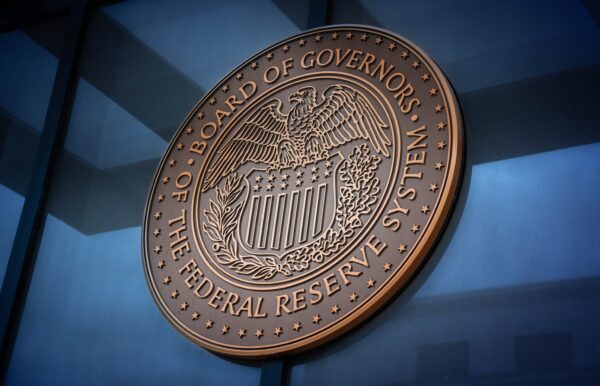
The U.S. economy shows signs of growth amid rising unemployment and inflation. The Fed faces pressure to lower interest rates further while managing tariff controversies. Positive trends in home sales and consumer activity contrast with negative sentiments about affordability and confidence. Globally, economic fluctuations persist, impacting trade and investments.
Eurasia Group Top Risks 2026

The year 2026 marks significant geopolitical instability, driven by an unpredictable U.S. political shift and ongoing global conflicts. While some nations, like China and India, bolster their positions, Europe faces heightened challenges. An AI revolution is also underway, complicating governance. The global landscape is turbulent, with lasting implications for future generations.

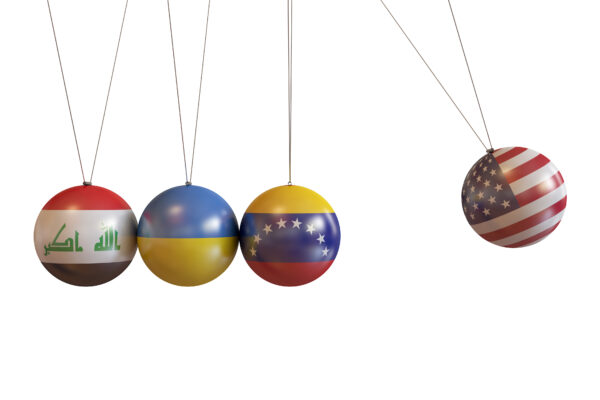
Venezuela’s Strategic Role in Global Conflicts.

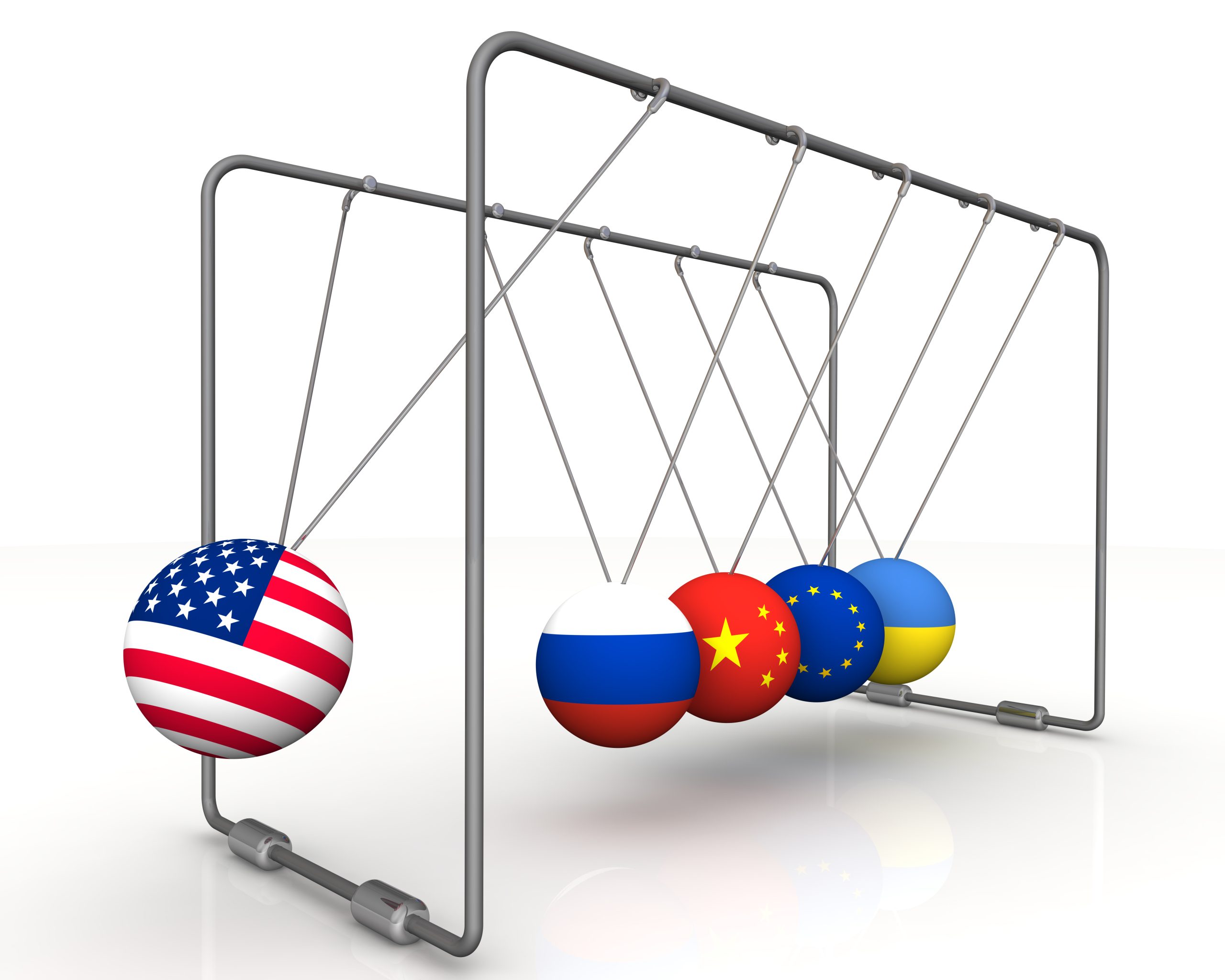
The power of weapons is evident. A country that spends nearly $200 billion annually on defense, invests around $200 million daily, and, at least in theoretical terms, has the best army in the world, should be able to impose its will. Both the United States and Russia boast cutting-edge armed forces, but recent experience has shown that theoretical superiority does not guarantee victory.

2025: A Year to Remember.

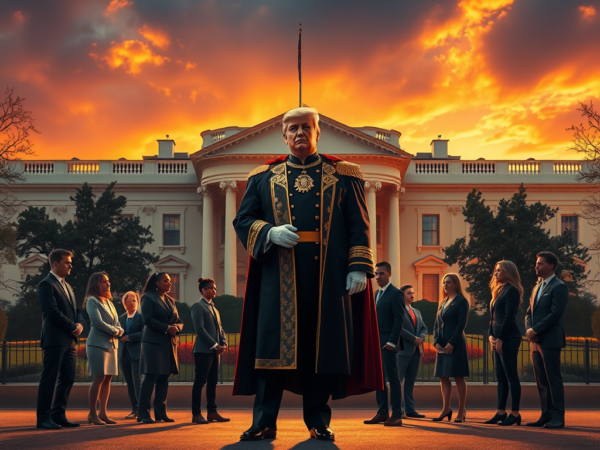
The end of the year reflects a challenging global climate, with wars and economic instability. Trump’s administration has shifted power dynamics in the U.S., sidelining traditional political structures. The upcoming USMCA renegotiation will be crucial for regional economic stability, as issues of leadership ineptitude underline a deeper crisis in democracy and governance.

The Role of Ethics in Global Politics and Human History.

The content discusses the role of ethics in history and modern society, highlighting global challenges such as migration, racial tensions, and governance failures, particularly in the U.S. and Mexico. It emphasizes the need for ethical leadership and cooperation in addressing crises, while critiquing demagoguery and the loss of democratic values.

U.S. National Security Strategy.

This official report of the United States Government outlines the priorities of the Trump administration concerning foreign policy, revealing a shift in its geopolitical strategy and values.

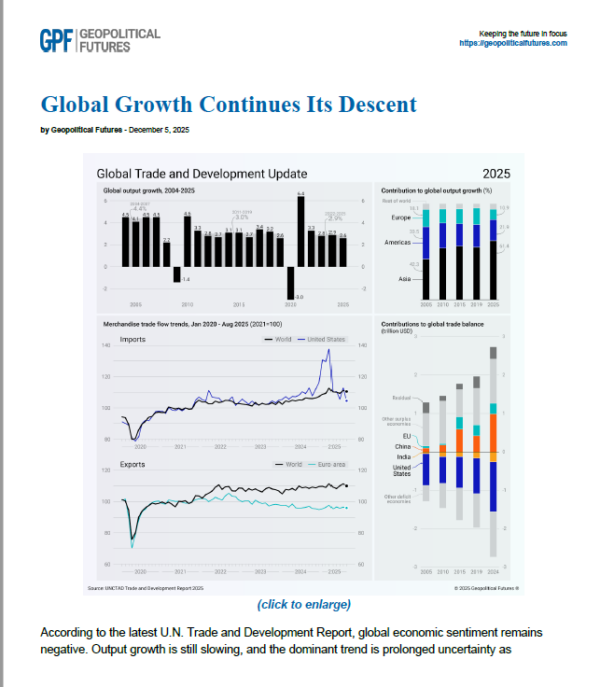
Global Growth Continues its Descent.

The post discusses ongoing trends in global growth. In addition there are links for multiple articles on geopolitical and economic issues. Key topics include U.S. polarization, organized crime, economic outlooks for Mexico, gold demand trends, governmental effectiveness, and significant initiatives from financial institutions aimed at enhancing resilience in critical sectors.

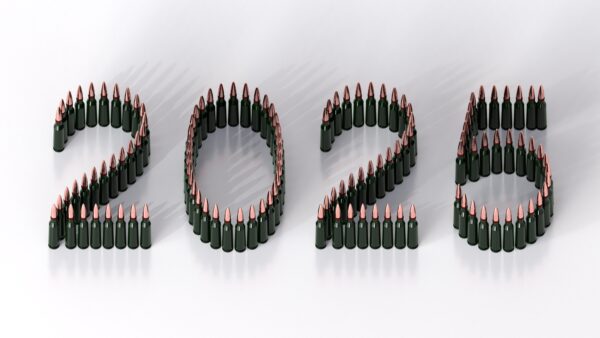
The Year of War.

ith less than four weeks to go before we bid farewell to 2025—amidst the fury, the din, the missiles, and the drones—it is inevitable that we pause and take stock of how, in our political and social sphere, we will close out the year. Now that the first quarter of the century is over, we understand that we are not living in exceptional circumstances. Each period leading up to the world wars was unique in its time, yet they all shared the same air of menace.

Two Must-Watch Videos on the Geopolitics of the U.S, Russia, and China Relationship.

Professor John Mearsheimer discusses how sanctions intended to weaken Russia have inadvertently fostered a multipolar world challenging U.S. hegemony. Analyzing Jeffrey Sachs’ insights, Mearsheimer highlights Russia’s economic strategies, BRICS expansion, and the decline of dollar dominance, emphasizing the need for the West to adapt or face potential chaos.

On How Mexico’s Government Deceives The World.

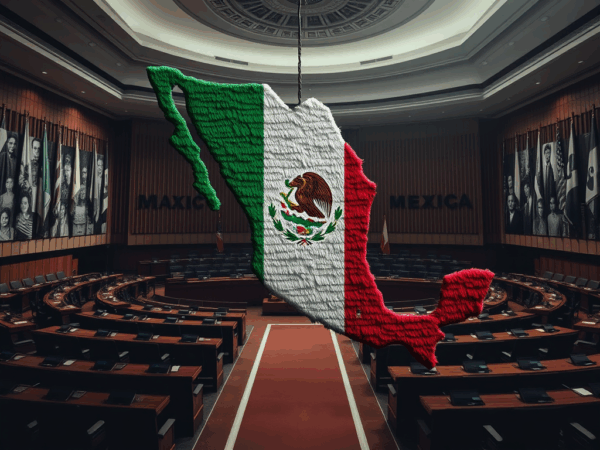
Mexico’s President Claudia Sheinbaum’s absence from key international forums has drawn criticism, particularly regarding drug trafficking and violence. This lack of engagement coincides with a demoralized diplomatic corps and a government hesitant to openly address controversial issues. Mexico’s foreign policy operates in secrecy, reflecting a disconnect with its economic partners and democratic values.

Shares