Trump’s Power Play: A Year of Political Turbulence and Consequences.

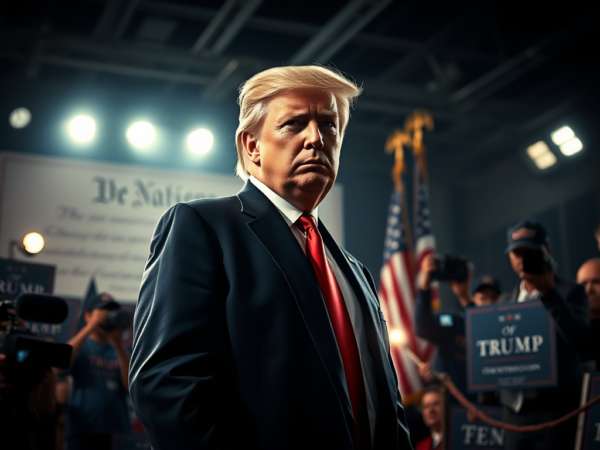
The first anniversary of Donald Trump’s second term reflects a year of turmoil, where traditional politics have been disrupted. Trump’s instinctual and often confrontational approach has reshaped both domestic and international landscapes. With potential electoral consolidation looming, the implications of his governance could redefine American power dynamics and global stability significantly.
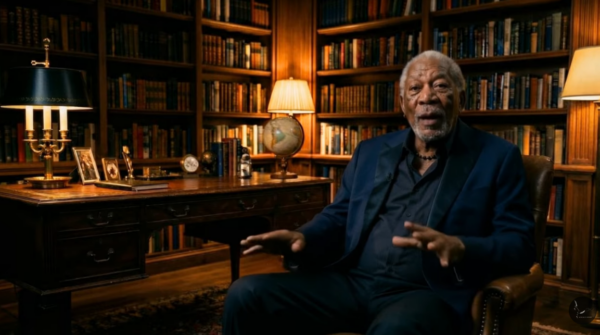

Morgan Freeman On Trump’s Threat To Mexico.

Morgan Freeman critiques Trump’s 2026 threat to use military force against Mexican cartels, recalling the failure of Plan Colombia despite significant investment. He argues that military action has consistently failed to diminish cartel power in various countries, suggesting that Trump’s approach will likely repeat past mistakes with unproductive escalation.

Madness in Power: Consequences for Global Stability.

The content critiques the rise of reckless leadership, particularly focusing on Trump’s actions as detrimental to global stability. It contrasts the concept of madness, which can inspire short-term success, with the destructiveness of past tyrants. The author warns that unchecked madness in power threatens democracy and societal well-being.

New World Order: Power, Threats, and Alliances.

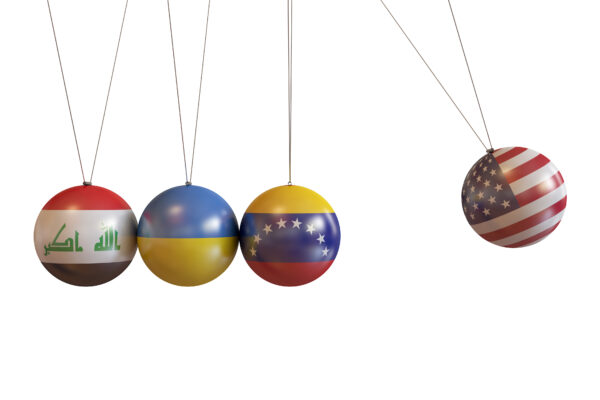
The article discusses the escalating geopolitical tensions driven by US interventions, particularly in Venezuela, which are reminiscent of Russia’s actions in Ukraine. It critiques Mexico’s lack of coherent foreign and national security policies under its current leadership, highlighting the risks posed by external threats and internal inconsistencies.

The Collapse of International Diplomacy in the Trump Era.

Since the Congress of Vienna in 1815, the need for institutional mechanisms to prevent chaos has been clear. The U.S. played a pivotal role in fostering global stability post-World War II, emphasizing peace over force. However, under Trump, this commitment has eroded, leading to a dangerous precedence of coercion over diplomacy.

Sir Niall Ferguson: Trump Was Right To Overthrow Maduro.

Historian Niall Ferguson discusses President Trump’s decision to oust Venezuelan President Nicolás Maduro, labeling it as overdue. He analyzes U.S. intervention history in Latin America, introduces the “Trump Corollary,” and evaluates the potential risks of regime change while considering global consequences involving China, Iran, and regional power dynamics.

Luis Maizel’s Monthly Letter: Inflation vs. Unemployment. The Fed’s decision.

The U.S. economy shows signs of growth amid rising unemployment and inflation. The Fed faces pressure to lower interest rates further while managing tariff controversies. Positive trends in home sales and consumer activity contrast with negative sentiments about affordability and confidence. Globally, economic fluctuations persist, impacting trade and investments.

Eurasia Group Top Risks 2026

The year 2026 marks significant geopolitical instability, driven by an unpredictable U.S. political shift and ongoing global conflicts. While some nations, like China and India, bolster their positions, Europe faces heightened challenges. An AI revolution is also underway, complicating governance. The global landscape is turbulent, with lasting implications for future generations.

Venezuela’s Strategic Role in Global Conflicts.

The power of weapons is evident. A country that spends nearly $200 billion annually on defense, invests around $200 million daily, and, at least in theoretical terms, has the best army in the world, should be able to impose its will. Both the United States and Russia boast cutting-edge armed forces, but recent experience has shown that theoretical superiority does not guarantee victory.

Neither Less Poverty, Nor Less Violence.

The National Institute of Statistics and Informatics (INEGI) reported optimistic economic data for Mexico, claiming job growth and reduced crime. However, real incomes are declining, and most workers are in the informal sector, leading to increased poverty. The government’s statistics misrepresent the harsh realities facing many citizens, particularly regarding violence and economic hardship.

Shares