Mexico’s Espionage Crisis: The Unseen Consequences.

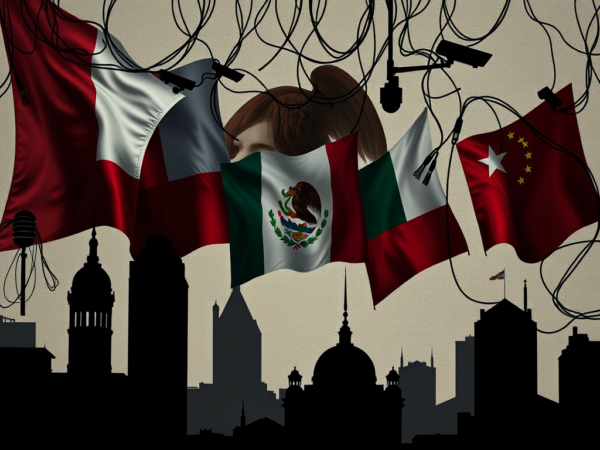
The Mexican Foreign Ministry disclosed a confidential list of 14 countries with security personnel in Mexico, revealing a potential weakness in diplomatic relations. Notably absent are nations like Russia, Cuba, and Venezuela, prompting questions about Mexico’s transparency and complicity in espionage. This situation undermines Mexico’s credibility and complicates future foreign negotiations.

The Complex Nature of Democracy: Insights and Quotes

Democracy is a complex concept that varies in interpretation, providing a framework for governance and legitimacy in society. Mexico’s current Morena government has approached democracy in a literal sense, raising concerns about its procedural integrity and the representation of public preferences. The quality of democracy in Latin America remains critically at stake.

2025: A Year to Remember.

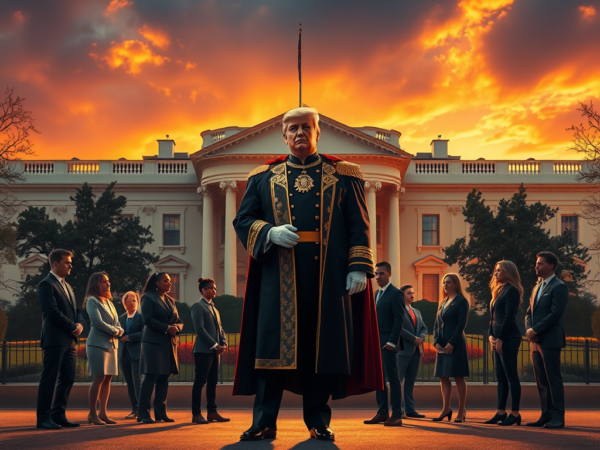
The end of the year reflects a challenging global climate, with wars and economic instability. Trump’s administration has shifted power dynamics in the U.S., sidelining traditional political structures. The upcoming USMCA renegotiation will be crucial for regional economic stability, as issues of leadership ineptitude underline a deeper crisis in democracy and governance.

If Maduro Falls, Cuba Will Follow.

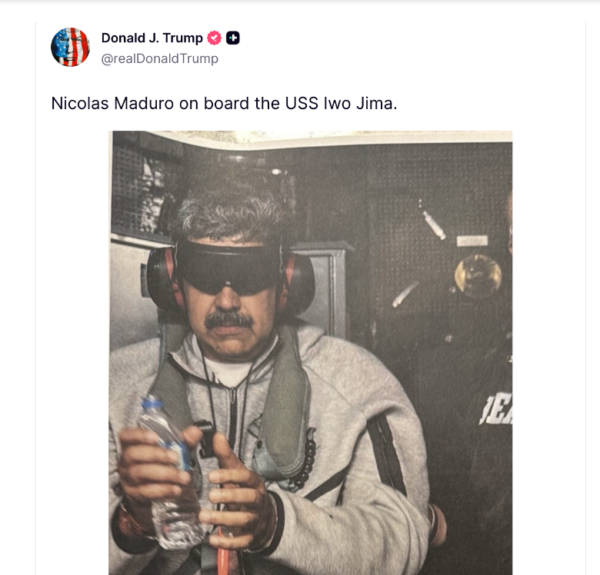
Cuban President Díaz-Canel warned of an impending economic crisis, linking it to the US Navy’s seizure of a Venezuelan oil tanker. The two nations share a deeply asymmetrical interdependence; Cuba relies on Venezuela for oil and financial support, while Venezuela benefits from Cuba’s professional services. The anticipated collapse of Maduro could also threaten Cuba’s stability, hinting at a potential political upheaval in the region.

My Readings in 2025.

In times of upheaval, many books emerge addressing significant geopolitical and historical themes. Noteworthy titles include Hal Brands’ exploration of Eurasian geopolitics and Claudio Lomnitz’s analysis of Mexico’s dual realities. Robert Kaplan’s pessimistic insights mirror the Weimar Republic, highlighting the fragility of democracy, while Timothy W. Ryback details Hitler’s rise without popular support.

The Role of Foreign Intervention in Latin America: A Dilemma for Democracies.

Venezuela’s political turmoil raises questions about interventionism versus national sovereignty. María Corina Machado faces criticism for supporting US measures against Maduro, seen by some as a new colonialism. Supporters argue Maduro’s regime is illegitimate, backed by external powers. A democratic alternative is essential to prevent dictatorship and foreign invasions in Latin America.

The Nobel Prize in Economics is Explained Simply.

Joel Mokyr, Philippe Aghion, and Peter Howitt won the 2025 Nobel Prize in Economics for their contributions to understanding economic growth through “creative destruction.” Their work clarified how innovation transforms markets, enhancing productivity and well-being, while emphasizing the necessity for continuous renewal as a driver of societal advancement and economic resilience.

The Role of Ethics in Global Politics and Human History.

The content discusses the role of ethics in history and modern society, highlighting global challenges such as migration, racial tensions, and governance failures, particularly in the U.S. and Mexico. It emphasizes the need for ethical leadership and cooperation in addressing crises, while critiquing demagoguery and the loss of democratic values.

U.S. National Security Strategy.

This official report of the United States Government outlines the priorities of the Trump administration concerning foreign policy, revealing a shift in its geopolitical strategy and values.

The Year of War.

ith less than four weeks to go before we bid farewell to 2025—amidst the fury, the din, the missiles, and the drones—it is inevitable that we pause and take stock of how, in our political and social sphere, we will close out the year. Now that the first quarter of the century is over, we understand that we are not living in exceptional circumstances. Each period leading up to the world wars was unique in its time, yet they all shared the same air of menace.

Shares