Three Videos on Iran, Trump, and The World.

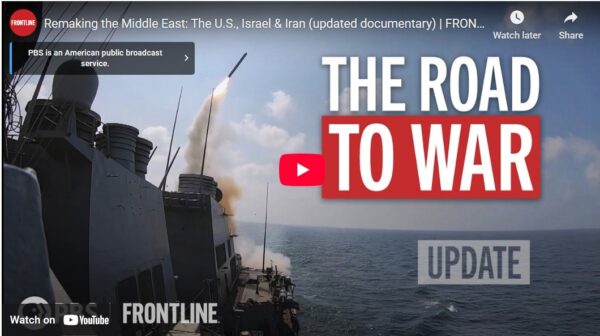
Thomas Friedman discusses U.S. strikes in Iran on Morning Joe. Canadian Prime Minister Mark Carney speaks at the Lowy Institute about global tensions and strategic alliances with countries like India and Australia, emphasizing diplomacy. David Brooks and Jonathan Capehart analyze the U.S. political landscape, focusing on the economic uncertainty amid recent military actions.

Luis Maizel’s Monthly Letter: A World That Changes In A Flash.

The recent attack on Iran eases global tensions, impacting groups funded by the regime. While the U.S. economy shows signs of strength, disparities between social classes persist. In Mexico, significant events like the death of a drug lord and mixed economic signals define the landscape. Global markets face volatility amid geopolitical shifts.

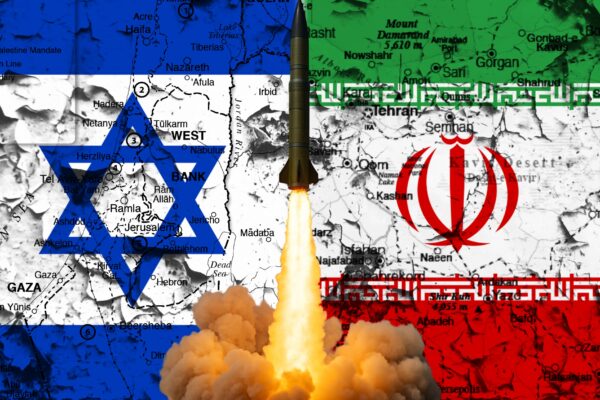
Israel-Iran: One of them has to disappear.

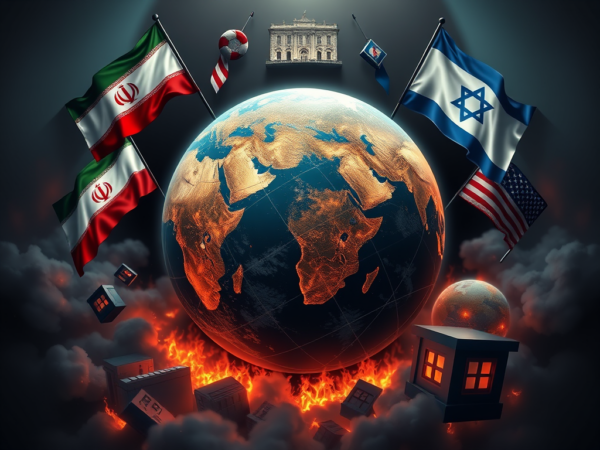
When this war ends, which I hope will be soon, one of the two countries—Iran or Israel—will have had to change its political, military, or security structure substantially. What is at stake is not a minor adjustment, but the very survival of the Iranian regime or, at the extreme, the strategic viability of Israel in a regional environment that has become reactive.

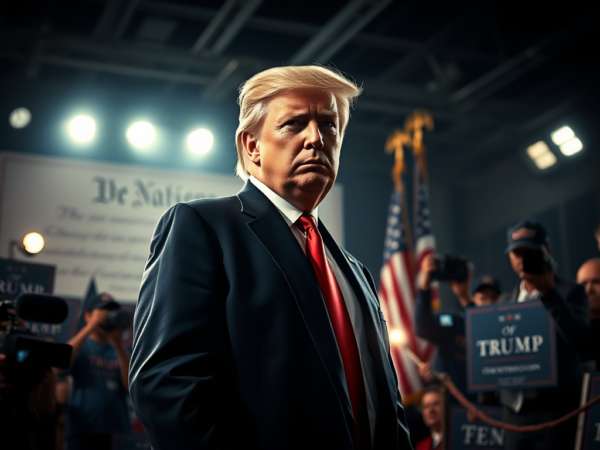
Trump’s Power Play: A Year of Political Turbulence and Consequences.

The first anniversary of Donald Trump’s second term reflects a year of turmoil, where traditional politics have been disrupted. Trump’s instinctual and often confrontational approach has reshaped both domestic and international landscapes. With potential electoral consolidation looming, the implications of his governance could redefine American power dynamics and global stability significantly.

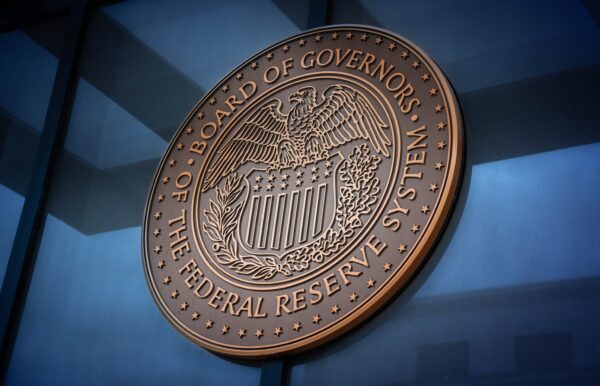
Luis Maizel’s Monthly Letter: Inflation vs. Unemployment. The Fed’s decision.

The U.S. economy shows signs of growth amid rising unemployment and inflation. The Fed faces pressure to lower interest rates further while managing tariff controversies. Positive trends in home sales and consumer activity contrast with negative sentiments about affordability and confidence. Globally, economic fluctuations persist, impacting trade and investments.

Eurasia Group Top Risks 2026

The year 2026 marks significant geopolitical instability, driven by an unpredictable U.S. political shift and ongoing global conflicts. While some nations, like China and India, bolster their positions, Europe faces heightened challenges. An AI revolution is also underway, complicating governance. The global landscape is turbulent, with lasting implications for future generations.

Venezuela’s Strategic Role in Global Conflicts.

The power of weapons is evident. A country that spends nearly $200 billion annually on defense, invests around $200 million daily, and, at least in theoretical terms, has the best army in the world, should be able to impose its will. Both the United States and Russia boast cutting-edge armed forces, but recent experience has shown that theoretical superiority does not guarantee victory.

The Five Years of Sepgra.

In June 2020, Sepgra emerged as a virtual platform during the pandemic, providing insights on global economic and political issues. Over five years, it published 1978 articles covering diverse topics, navigating challenges like economic turmoil, political polarization, and the impacts of Covid-19, illustrating adaptability while aiming for quality, unbiased content.

The Global Organized Crime Index 2025.

The global criminal landscape is increasingly adaptive and complex, shaped by socio-economic shifts and technological advancements. The 2025 Index highlights critical changes in drug markets, the rise of non-violent crimes, and growing foreign and private sector involvement. It indicates an urgent need for new resilience strategies to counter evolving organized crime.

Luis Maizel’s Monthly Letter: What Have We Done To Deserve This Government?

Societal discontent is rising globally, with a notable survey indicating no respondents feel better off than a decade ago. In the U.S., a government shutdown disrupts services, and political conflicts hinder citizens’ needs. Various economic conditions unfold worldwide, with mixed reports on growth, investment, and public confidence amid rising debt and challenges in multiple countries.

Shares