Blow and Struck Back.

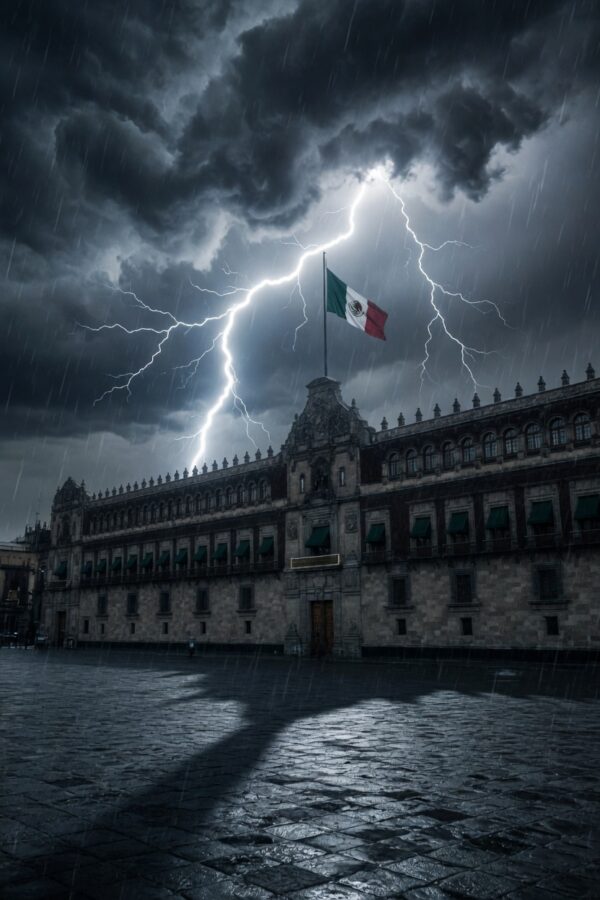
The Mexican government is responding in extreme terms to two events that have changed the internal and external political and military situation. The ruling party’s response to events, apparently unrelated: the location and subsequent death of Nemesio Oseguera Cervantes (Mencho), and the government of Claudia Sheinbaum’s proposal for political and electoral reform.

The Illusion of Security in Mexico.

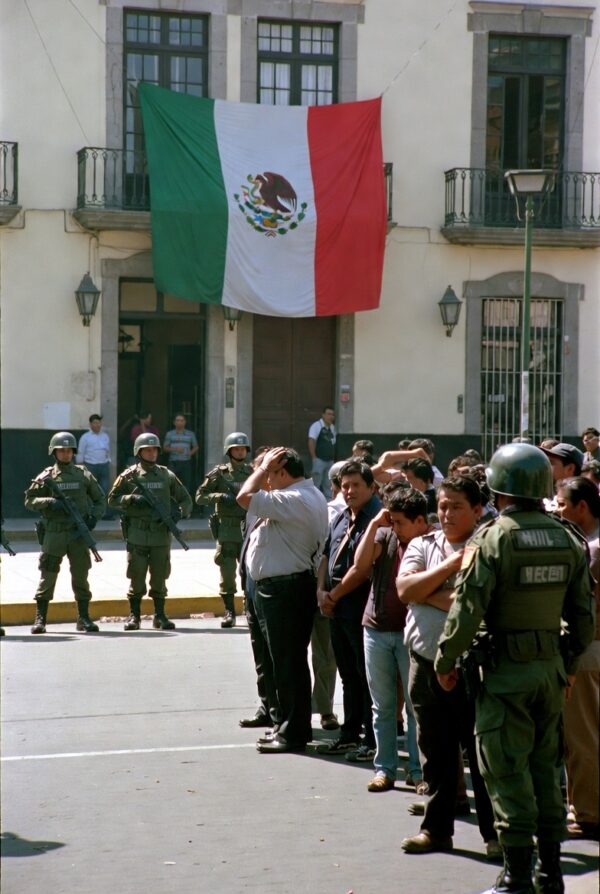
Recent violence in Mexico highlights the failure of government strategies to manage organized crime. Previous approaches assumed negotiation or addressing poverty could reduce crime, but these have proven ineffective. The state struggles against deeply embedded criminal organizations, now a direct challenge to sovereignty. Public safety and economic stability must be prioritized.

How Mexico City’s New Housing Bill Threatens Property Rights.

The Mexico City Congress is advancing a bill under the guise of social justice and housing rights, threatening to erode property owners’ rights and legal certainty. This interventionist framework imposes price controls, penalizes vacant properties, and heavily favors tenants, undermining private ownership and introducing vague legal concepts that invite governmental discretion over property rights.

Yes, we can!

The first warning signs appeared in the 1980s. Nancy Reagan’s famous “Just Say No” speech warned of the destructive power of drugs. The fact is that drug trafficking grew stronger across the entire continent. Its coexistence with political power became evident. They could challenge it. When the cancer reached Mexico, a serious mistake was made in politicizing the issue.

SOMOS MX: Combining Experience and Novelty.

SOMOS MX, a new political party in Mexico, held its founding congress, achieving over 300,000 members for legal registration. The party, led by Guadalupe Acosta Naranjo and Cecilia Soto, seeks to present a platform distinct from Morena, opposing its authoritarianism while combining political experience with fresh approaches for democracy in Mexico.

AMLO: Priest of the São Paulo Forum.

The post critiques Andrés Manuel López Obrador (AMLO), comparing his governance style to Evo Morales, emphasizing corruption within the Mexican political system. It outlines the adherence to the São Paulo Forum’s principles, highlighting manipulations of the judiciary and military. Despite initial success, the author argues this approach is ultimately doomed to fail, leaving Mexico isolated.

The Fragility of Political Authority in Mexico Today.

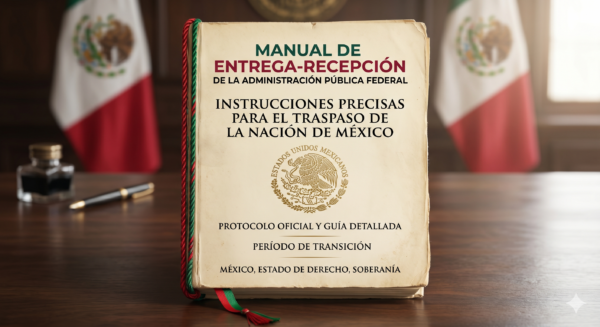
The passage reflects on the complex nature of power in Mexican politics, emphasizing its transient qualities. It discusses the evolving political landscape post-Andrés Manuel López Obrador, highlighting internal fragmentation within the ruling party Morena and the challenges faced by President Claudia Sheinbaum in consolidating authority amidst shifting allegiances and delicate balances.

Marriages…

The relationship between Mexico and the United States requires ongoing effort for peace and mutual benefit. Despite economic integration through agreements like NAFTA, political tensions arise from unregulated migration and violations of trade rules. A comprehensive approach addressing these issues is essential to foster cooperation and ensure stability in the region.

Social Mobility and Education: A Path to Hope in Mexico.

The transformation of Tlaxcalilla from an agricultural area to a commercial hub reflects significant social mobility influenced by education. However, the rising dropout rates in Mexico reveal concerning trends, with many students leaving school early, resulting in marginalization and poverty. Despite progress, challenges remain in the educational system.

The Decline Of Leftist Regimes In Latin America.

The Latin American left is facing decline, with countries like Chile and Argentina rejecting leftist governance. The isolation of Cuba’s regime signals a potential overthrow, exacerbated by the lack of solidarity from Latin American nations. Mexico’s hesitant support reflects broader struggles, as authoritarian practices threaten regional legitimacy.

Shares