Madness in Power: Consequences for Global Stability.

The content critiques the rise of reckless leadership, particularly focusing on Trump’s actions as detrimental to global stability. It contrasts the concept of madness, which can inspire short-term success, with the destructiveness of past tyrants. The author warns that unchecked madness in power threatens democracy and societal well-being.

New World Order: Power, Threats, and Alliances.

The article discusses the escalating geopolitical tensions driven by US interventions, particularly in Venezuela, which are reminiscent of Russia’s actions in Ukraine. It critiques Mexico’s lack of coherent foreign and national security policies under its current leadership, highlighting the risks posed by external threats and internal inconsistencies.

The Collapse of International Diplomacy in the Trump Era.

Since the Congress of Vienna in 1815, the need for institutional mechanisms to prevent chaos has been clear. The U.S. played a pivotal role in fostering global stability post-World War II, emphasizing peace over force. However, under Trump, this commitment has eroded, leading to a dangerous precedence of coercion over diplomacy.

Pause.

Michael Ignatieff explores the necessity of promoting trust and overcoming division in diverse societies in “Everyday Virtues.” He emphasizes the importance of a strong societal framework for coexistence, reflecting on global examples. Additionally, innovative publications by various authors and artists celebrate culture and humanity, enriching our understanding of history and the present.

2025: A Year to Remember.

The end of the year reflects a challenging global climate, with wars and economic instability. Trump’s administration has shifted power dynamics in the U.S., sidelining traditional political structures. The upcoming USMCA renegotiation will be crucial for regional economic stability, as issues of leadership ineptitude underline a deeper crisis in democracy and governance.

My Readings in 2025.

In times of upheaval, many books emerge addressing significant geopolitical and historical themes. Noteworthy titles include Hal Brands’ exploration of Eurasian geopolitics and Claudio Lomnitz’s analysis of Mexico’s dual realities. Robert Kaplan’s pessimistic insights mirror the Weimar Republic, highlighting the fragility of democracy, while Timothy W. Ryback details Hitler’s rise without popular support.

Its Name Is Terrorism.

Sometimes societies become so used to certain outbreaks of violence that they lose sight of what they really represent. We name the events lightly, soften concepts, or reduce them to convenient explanations. But in doing so, we also dilute our ability to understand the true scope of what we are facing. When a government refuses to call terrorism what—by definition—is terrorism, it ends up defenseless against those who have decided to use fear as a tool of power.

Steve Bannon and Modern Conservatism: A Deep Dive into His Ideological Roots

The Iranian clerical revolution in 1979 led to a US embassy hostage crisis, impacting Jimmy Carter’s presidency. Steve Bannon, involved in military operations, later became a significant figure linking right-wing populism to traditionalist thought. He critiques modernity, promotes nationalist policies, and influences the Trump movement through media and ideologies rooted in religious and historical cycles.

The Five Years of Sepgra.

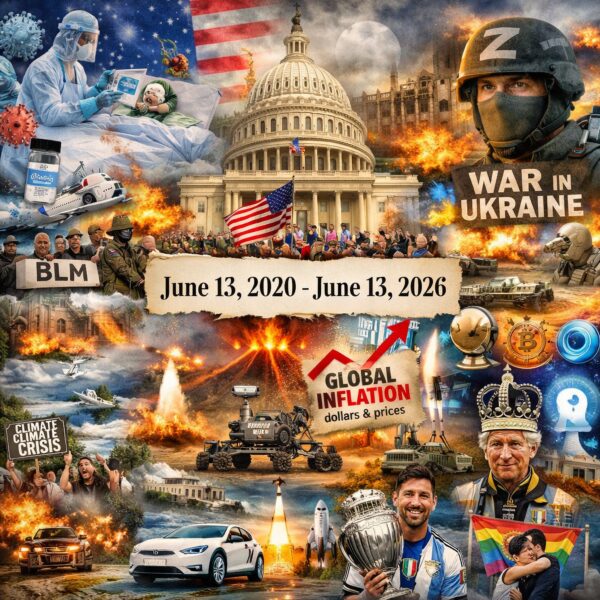
In June 2020, Sepgra emerged as a virtual platform during the pandemic, providing insights on global economic and political issues. Over five years, it published 1978 articles covering diverse topics, navigating challenges like economic turmoil, political polarization, and the impacts of Covid-19, illustrating adaptability while aiming for quality, unbiased content.

The Economics of Attention.

The essay discusses the evolution of attention economy from the invention of the bikini by Louis Réard in 1946 to the digital revolution. Yanis Varoufakis argues that society has shifted from tangible goods to a system where attention is commodified, creating techno-feudalism. Users, now products, face a challenge in reclaiming focus amidst constant distraction.

Shares