
Red Eyes.

The article reflects on the evolution of photography and its impact on how people are perceived in images. It discusses the challenges of looking good in photos, cultural shifts in posing and smiling, and personal stories that reveal emotional complexities tied to memories. Ultimately, it highlights how technology shapes our visual representation and self-awareness.
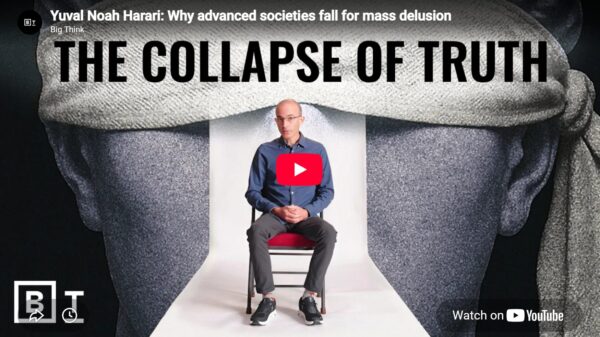

Why Advanced Societies Fall for Mass Delusion.

Yuval Noah Harari discusses the paradox of human intelligence in a Big Think presentation, emphasizing that while we accumulate knowledge rapidly, we remain susceptible to misinformation and deception. He highlights the impact of information technology on societies and warns of the dangers posed by artificial intelligence, underscoring the importance of quality information.

Back to the Origins.

The post discusses the historical ebb and flow of globalization, highlighting conflicts between universal values and local cultures. It contrasts the integrity of the Olympics with the corruption in FIFA, emphasizing the need for ethical standards in global sports. The narrative calls for inclusion and excellence as guiding principles for fans and organizations alike.

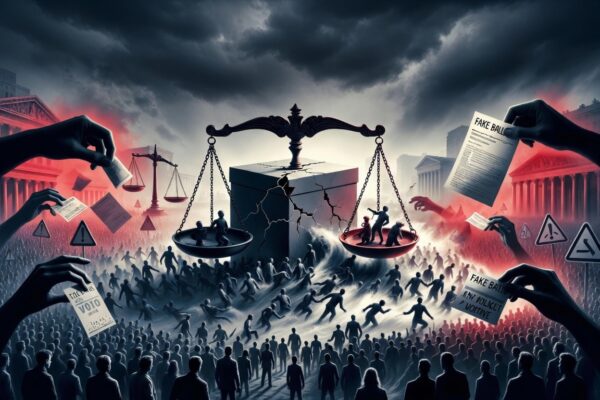
Democracy in Decline: The Impact of Immigration and Voter Rolls.

The content discusses the concept of “bread and circuses” in politics, highlighting that contemporary democracy often relies on superficial forms of engagement like voter registration rather than genuine representation. It critiques how leaders exploit promises and immigration to maintain power, questioning the true essence of democratic governance amid moral decay and public disillusionment.

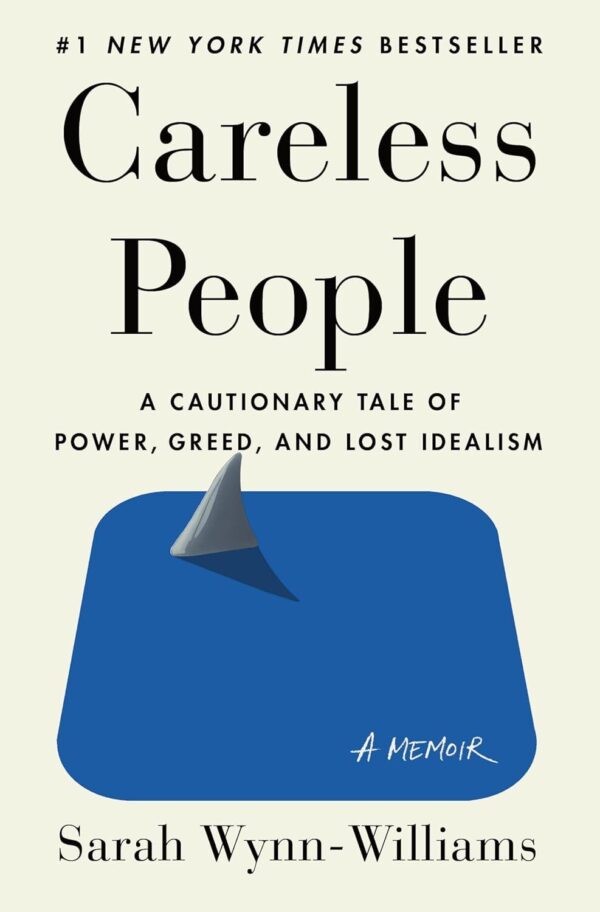
Careless People: A Cautionary Tale of Power, Greed, and Lost Idealism.

“Careless People” is a revealing memoir by Sarah Wynn-Williams, chronicling her experiences at Facebook. It highlights the consequences of unchecked power, workplace misogyny, and the challenges of motherhood in a high-pressure environment. The book offers insights into the personal and political impacts of social media’s evolution and responsibility among its leaders.

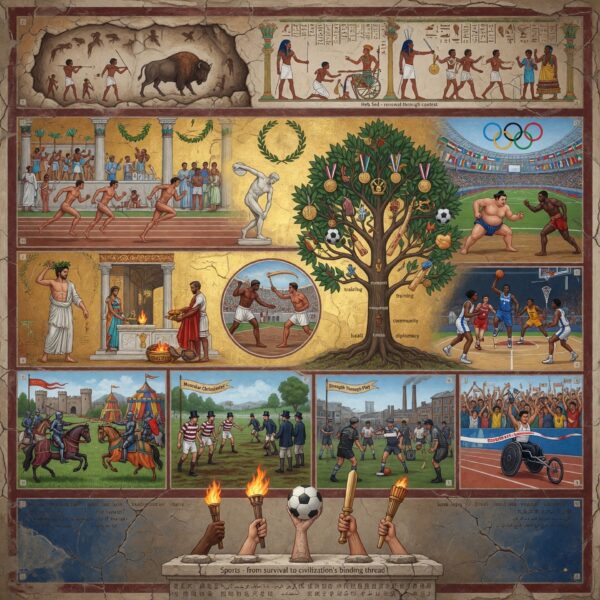
The Role of Play in Human Civilization.

The text reflects on the transformative role of sports, particularly soccer, in society. It notes the juxtaposition of play as a civilizing force while highlighting the darker aspects of sports culture, such as violence and social alienation. The author calls for self-reflection amidst the excitement of upcoming events to address underlying issues.

The Dog’s Custody.

Alma’s love for dogs reveals complex emotions tied to her divorce, particularly regarding her dog Matías. Amidst navigating relationships, she learns through therapy that her challenges stem from her own feelings. As she embraces simpler solutions, she finds solace in understanding that her dog serves as an unexpected therapist in her life.

Implosion.

“Nothing frightens man more than being touched by the unknown,” the opening line of a work that revolutionized philosophy and the social sciences in the 1960s: Crowds and Power by Elias Canetti While on the one hand, we loathe being touched by the unknown, on the other, exploding into a crowd implies an implosion of our personality. The crowd allows us to be someone else.

Ali Baba’s Cave

The content discusses FIFA’s operations and corruption, notably illustrated by the FIFAgate scandal involving Chuck Blazer. It critiques FIFA’s dealings with authoritarian regimes and Gianni Infantino’s questionable leadership. It highlights the financial burden on host cities for the World Cup while benefiting FIFA and the media instead of local communities.

The Pope Rides Again.

Vincenzo Gioacchino Pecci, elected as Pope Leo XIII, symbolizes the Catholic Church’s transformation from a persecuted faith to a political powerhouse post-Constantine. The Church, facing modern crises, seeks renewed moral authority through Pope Leo XIV’s focus on contemporary issues like artificial intelligence, war, and societal polarization, emphasizing human dignity.

Shares