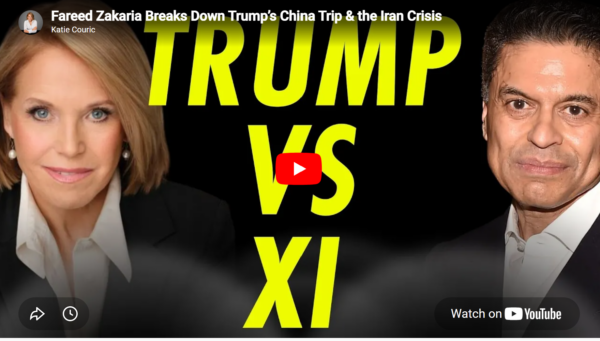
Paul Krugman and Phillips O’Brien on Iran.

The content discusses insights from Paul Krugman, an esteemed economist and Nobel laureate, and Phillips O’Brien, a strategic studies historian. The links provided lead to various articles and videos addressing political decisions, economic theories, and global issues, highlighting concerns about leadership and its impact on contemporary challenges.

David Brooks and Jonathan Capehart on Trump’s Mixed Signals on the Iran War.

David Brooks and Jonathan Capehart discuss recent political developments on PBS, including President Trump’s mixed messages regarding the Iran war, a surge of anti-Muslim and anti-immigrant discourse following domestic attacks, and the GOP’s efforts to advance the SAVE Act. The discussion highlights current tensions and legislative initiatives.

The Politics of War: What Do Citizens Gain?

The piece examines the complex motivations behind wars involving the United States, emphasizing the importance of understanding objectives and potential gains. It discusses historical context, the role of public perception, and the influence of the military-industrial complex, especially in democratic societies where clarity of purpose is crucial for sustaining support.

Remaking the Middle East: The U.S., Israel and Iran.

The documentary “Remaking the Middle East: The U.S., Israel & Iran” examines the origins and consequences of the U.S.-Israel war with Iran. Updated in March 2026, it provides historical context on the conflict, highlighting decades of animosity, U.S. involvement, and the stakes for the Middle East amid ongoing hostilities.

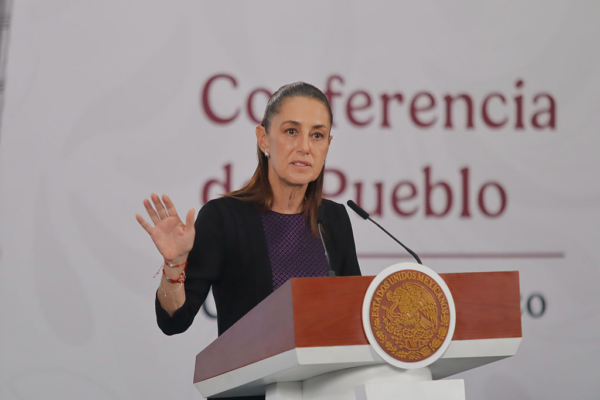
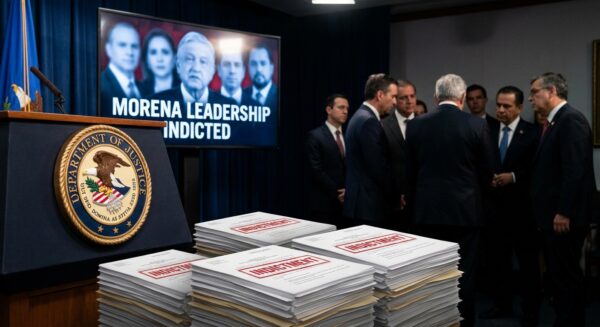
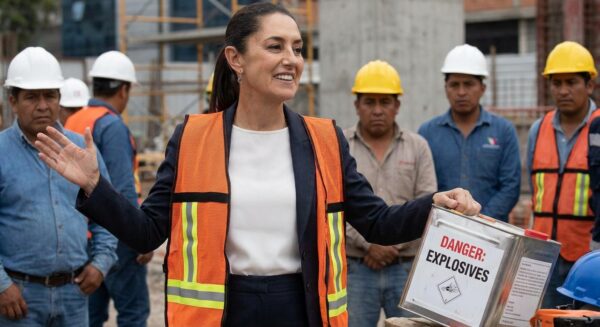
Official Truth vs A Complex Reality in Mexico.

The post discusses how the current Mexican government, Morena, mirrors the oppressive narrative-building tactics of past communist regimes, specifically in relation to maintaining control over information and institutions. It criticizes Morena’s disregard for democratic principles and accountability, arguing that this poses a significant threat to Mexico’s political landscape and citizen rights.

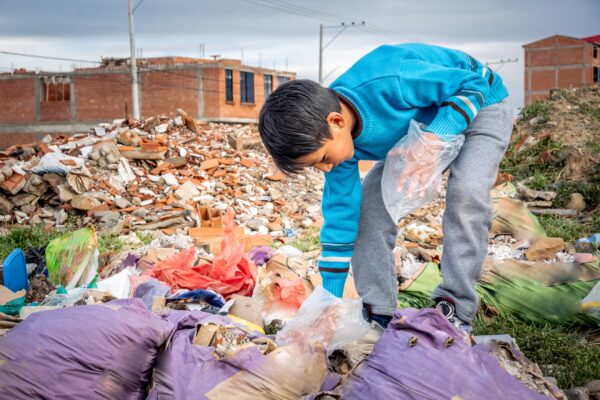
Youth Challenges in Modern Society.

The text examines the complexities faced by contemporary youth, including the romanticization of youth as a positive force while grappling with issues like unemployment, mental health, and educational challenges. It highlights their frustrations with societal structures and questions the efficacy of youth participation in political movements, emphasizing the need for nuanced understanding and diverse solutions.

A Summary of the Iran War, So Far.

The content discusses the ongoing Iran War from a geopolitical perspective, featuring insights from George Friedman of Geopolitical Futures. It also includes links to further readings on various global issues, such as U.S. strategy, economic outlooks, and national security, highlighting the complexities of international relations.

Mexico’s Electoral Reform and the Business Community.

President Sheinbaum’s electoral reform threatens to undermine democracy in Mexico, potentially increasing political polarization and violence while diminishing the country’s international image. The reforms signal a disregard for the rule of law, fostering economic uncertainty and deterring private investment. This adverse environment could hinder growth and deepen the societal divide.

The “Domino Effect” of the War in Iran.

The US and Israeli military actions against Iran in February 2026 have escalated into a potential global conflict, adversely affecting the world economy. With the Strait of Hormuz at the center, energy prices have surged due to disrupted oil and gas supplies, leading to inflation and economic stagnation worldwide, particularly impacting Europe, Asia, and vulnerable emerging markets.

The Worst of the War.

What some in Washington once imagined as a possible political evolution ended up becoming the establishment of a radical clerical power that redefined the strategic balance in the Middle East for decades. Since then, the world has paid—and will probably continue to pay for a long time to come—the consequences of that historic turn of events. The worst thing about war is not what has already happened, but what may come in the form of revenge, score-settling, and miscalculation.

Shares