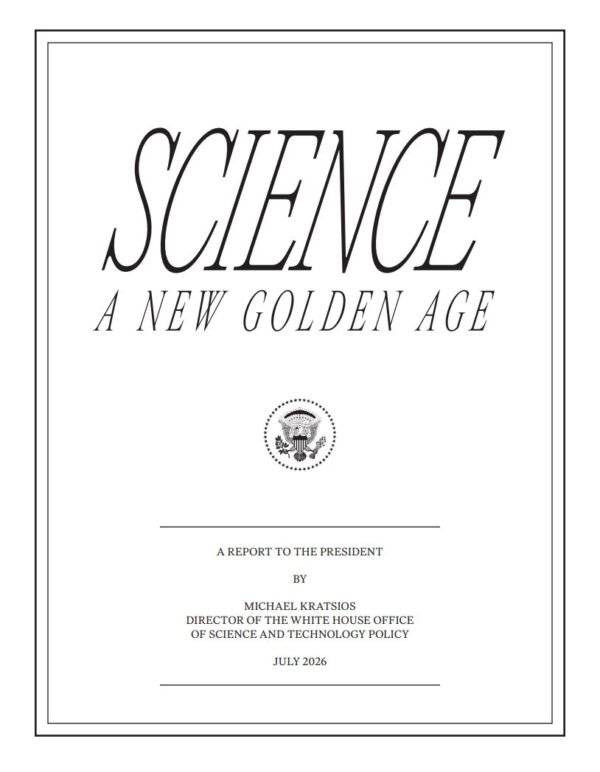
Science: A New Golden Age.

The report highlights the pivotal role of American science in achieving historic victories and driving innovation. While government funding for research has grown, private sector investment now dominates. The report calls for reforms to enhance scientific efficiency, adapt to emerging technologies, and ensure equitable benefits from advancements in science and technology.

Red Eyes.

The article reflects on the evolution of photography and its impact on how people are perceived in images. It discusses the challenges of looking good in photos, cultural shifts in posing and smiling, and personal stories that reveal emotional complexities tied to memories. Ultimately, it highlights how technology shapes our visual representation and self-awareness.

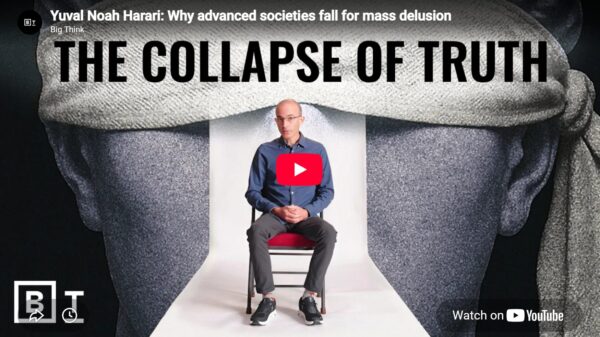
Why Advanced Societies Fall for Mass Delusion.

Yuval Noah Harari discusses the paradox of human intelligence in a Big Think presentation, emphasizing that while we accumulate knowledge rapidly, we remain susceptible to misinformation and deception. He highlights the impact of information technology on societies and warns of the dangers posed by artificial intelligence, underscoring the importance of quality information.

Back to the Origins.

The post discusses the historical ebb and flow of globalization, highlighting conflicts between universal values and local cultures. It contrasts the integrity of the Olympics with the corruption in FIFA, emphasizing the need for ethical standards in global sports. The narrative calls for inclusion and excellence as guiding principles for fans and organizations alike.

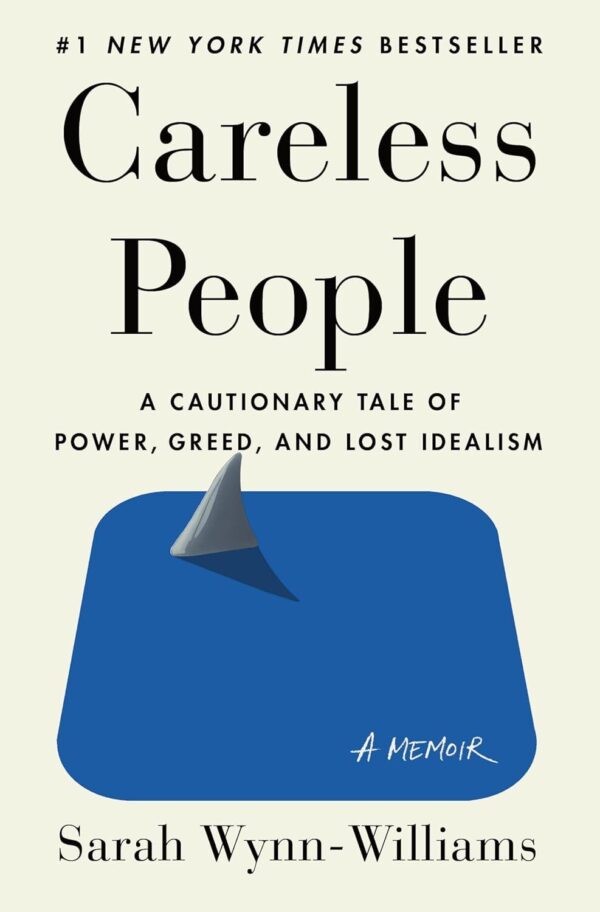
Careless People: A Cautionary Tale of Power, Greed, and Lost Idealism.

“Careless People” is a revealing memoir by Sarah Wynn-Williams, chronicling her experiences at Facebook. It highlights the consequences of unchecked power, workplace misogyny, and the challenges of motherhood in a high-pressure environment. The book offers insights into the personal and political impacts of social media’s evolution and responsibility among its leaders.

The Dog’s Custody.

Alma’s love for dogs reveals complex emotions tied to her divorce, particularly regarding her dog Matías. Amidst navigating relationships, she learns through therapy that her challenges stem from her own feelings. As she embraces simpler solutions, she finds solace in understanding that her dog serves as an unexpected therapist in her life.

Ali Baba’s Cave

The content discusses FIFA’s operations and corruption, notably illustrated by the FIFAgate scandal involving Chuck Blazer. It critiques FIFA’s dealings with authoritarian regimes and Gianni Infantino’s questionable leadership. It highlights the financial burden on host cities for the World Cup while benefiting FIFA and the media instead of local communities.

“The Dystopian World Cup with Utopian Soccer”

The content explores the contrast between dystopia and utopia, particularly in the context of the 2026 World Cup amid geopolitical turmoil. While dystopian elements define the background, the unifying power of soccer brings joy and a sense of community, temporarily mending societal fractures despite the overwhelming challenges faced in the world.

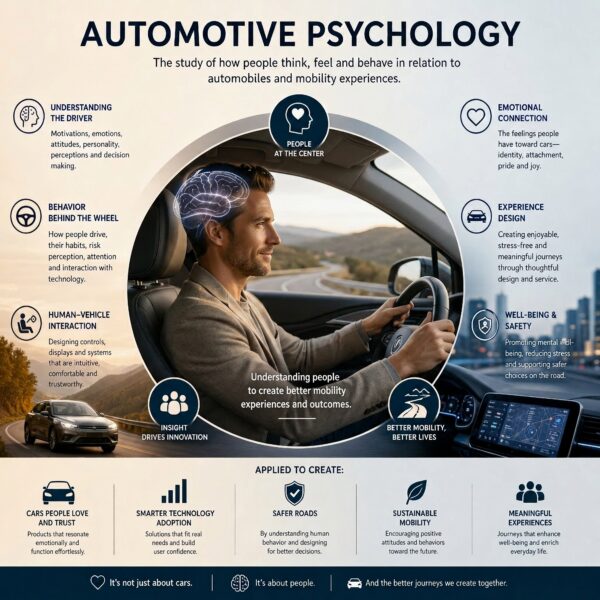
Automotive Psychology

Juan Villoro reflects on his experience of selling a used car after owning it for thirteen years. Once deemed a virtue, the car’s singular ownership faces scrutiny amidst modern-day scams. An unexpected inspection by Manuel, a psychologist, reveals deeper insights into Villoro’s personality and habits, ultimately affecting the sale.

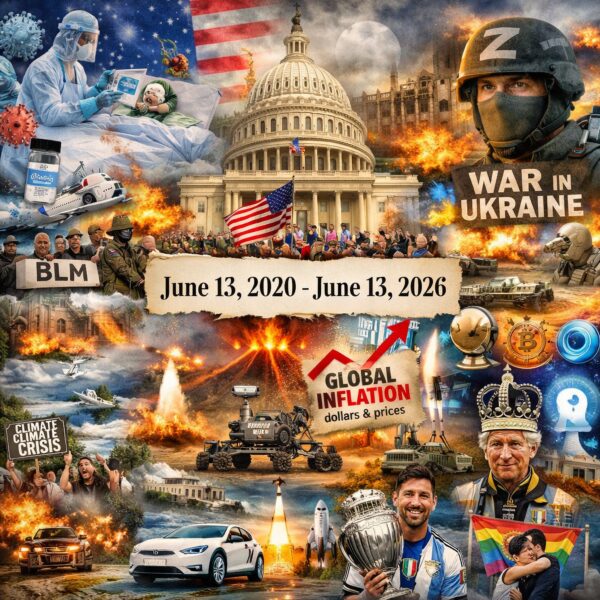
June 13, 2020-June 13, 2026.

SEPGRA, established on June 13, 2020, has published extensive content covering global events and societal changes, totaling 2,237 posts over 2,192 days. The organization expanded its linguistic reach and accurately predicted significant shifts in Mexico’s political landscape. Looking ahead, SEPGRA embraces the complexity of emerging global dynamics with optimism.

Shares