Politics in the Age of Digital Doubles.

The political landscape is shifting as robotic advancements outpace human leadership qualities, with candidates utilizing digital avatars to connect with voters, particularly the youth. However, this reliance risks distorting authenticity and promoting authoritarian tendencies, as illustrated by Yoon Suk-yeol’s presidency, which ended in impeachment due to his detachment from reality.

The End of American Hegemony: China’s Rise Explained.

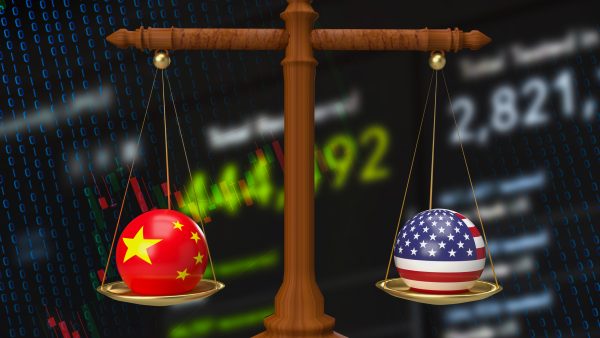
The recent display of power by China signifies a shift away from the values of democracy, human rights, and equality once championed by the West. With the U.S. under Trump’s leadership becoming increasingly isolated, authoritarian regimes are strengthening alliances. The global order is changing, favoring authoritarianism over democratic principles.

LuisMaizel’s Monthly Letter: We Continue On Our Way, But There Are Many Potholes In The Road.

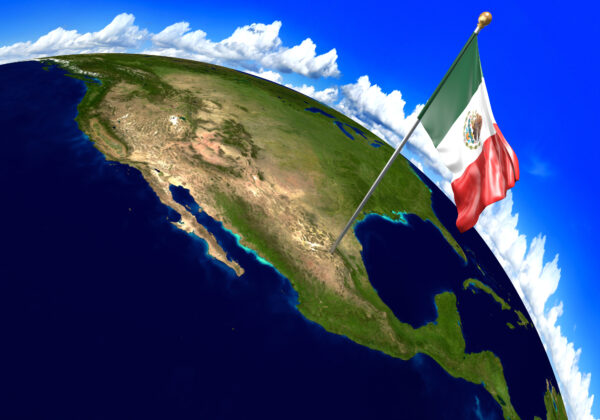
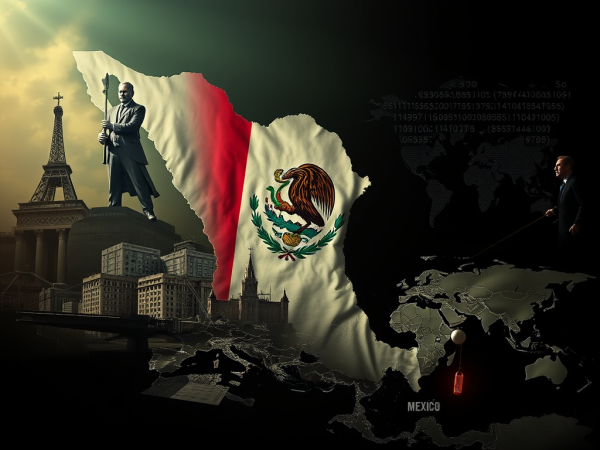
The global landscape remains tense, with stagnant conflicts in Ukraine and Gaza, and partisan strife in the U.S. undermining centrism. Economic challenges persist alongside minor positive developments, particularly in Mexico. Meanwhile, countries face inflation and diplomatic tensions, affecting trade dynamics while major U.S. companies show relative resilience amidst headwinds.

From Yalta to Alaska.

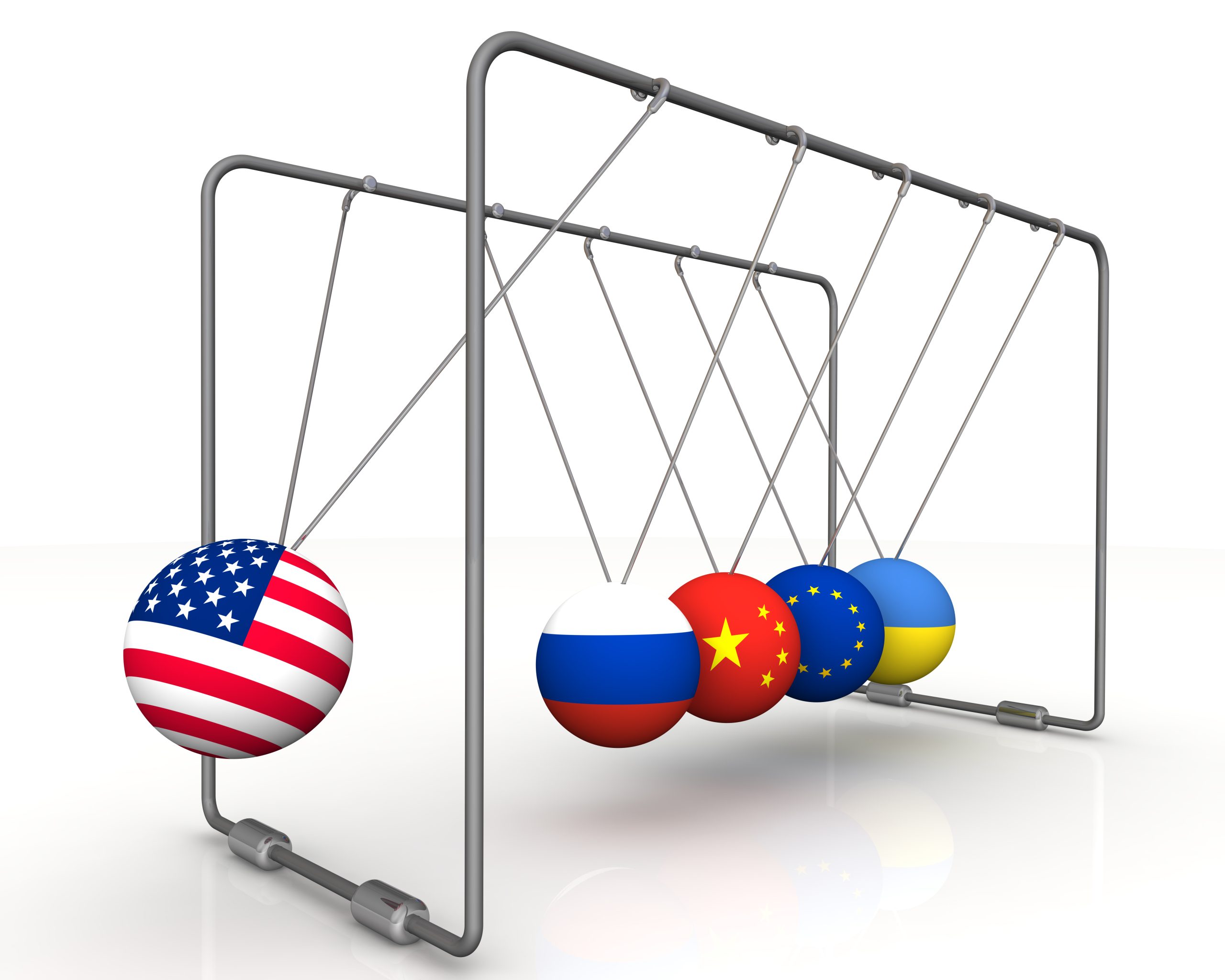
Eighty years after the Yalta Conference, where major powers divided post-World War II territories, the recent Trump-Putin summit in Alaska starkly contrasts in purpose and outcome. Unlike Yalta, which established frameworks for future peace, the Alaska meeting failed to address the Ukraine conflict. Their approaches and lacks of vision highlight contemporary geopolitical challenges.

Why Ukraine’s War Cannot End.

The article highlights the persistent historical amnesia regarding the Ukraine conflict, emphasizing the need to understand the roots of Russian insecurities and the implications of NATO’s eastward expansion. It argues that resolution requires a reassessment of post-Cold War security dynamics, acknowledging the fears of both Russians and Europeans to achieve peace.

The Keys and the Mosquito.

About twenty-five years ago, I wrote a piece about the elusive threat of nighttime, the mosquito that announces its arrival with its unbearable noise. I remembered Paul Müller, inventor of DDT, who received the Nobel Prize in 1948 and contributed to unleashing the passion for fumigation that dominated the second half of the 20th century. A peculiar idea of health led housewives to spray poison in every corner without taking a cigarette out of their mouths.

Fallen from Heaven.

On May 10, a 500-kilo metal sphere, the remnants of the Soviet spacecraft Kosmos 482, fell to Earth after decades in orbit. Launched in 1972, it was unable to complete its mission to Venus. The uncontrolled descent raised concerns, but it ultimately caused no damage, highlighting ongoing issues with space debris.

What a Strange President!

Pablo Hiriart’s opinion is that President Trump surprises constantly with decisions that seem strange and dangerous, and their impact carries consequences given the enormous power of his office. He analyses a few recent statements and their potential effect on world peace.

The Decline of the Liberal Order: Insights from Florentino Portero

Florentino Portero argues that the liberal order based on freedom and free trade is collapsing, beginning a shift towards a post-Western world led by emerging powers in Southeast Asia. He warns of rising populism due to citizens’ declining trust in traditional parties, emphasizing the importance of fighting for freedom and addressing people’s immediate needs for stability and employment.

Shares