
Targets of Presidential Hatred.

Some governments foster unity through dialogue, while others, like Mexico’s Morena, promote division and hatred to maintain control. The president targets various groups, labeling them as “far right” to suppress dissent and avoid engagement. This strategy normalizes animosity and distracts from government failures, raising concerns about the nation’s future stability.


56 Years That Make Up a Whole Lifetime.

Mexico’s history with the World Cup reflects resilience amid trauma. Following the Tlatelolco massacre in 1968 and the devastating earthquake in 1985, the nation showcased its ability to celebrate despite political repression and societal challenges. As the country prepares for the 2026 tournament, questions about its current state persist, emphasizing a collective spirit and the significance of people over politics.

Mexico’s Future Depends on Mexico.

The USMCA is crucial for Mexico’s economic stability but is often misunderstood regarding its role in addressing broader issues like poverty and inequality. While it has successfully attracted investment and created competitive industries, Mexico’s long-term success hinges on domestic policy improvements in energy, education, and infrastructure rather than reliance on trade agreements.

2026 World Cup. How is Mexico Doing?

The content discusses a comprehensive report on the 2026 World Cup in Mexico and provides links to various related articles covering topics such as economic outlook, drug trafficking, and human rights in the context of artificial intelligence. It highlights significant reports and perspectives influencing Mexico’s current socio-economic landscape.

AMLO’s Underlying Concern.

Reactions to López Obrador’s letter have been mixed, with Sheinbaum interpreting it as unequivocal support. Analysts suggest it highlights AMLO’s concerns about political loyalty amidst crises involving drug-related indictments. His reminders to military commanders about allegiance indicate diminishing control over the Armed Forces, threatening his political project and the safety of leaders involved with drug trafficking.

The Rise of Totalitarianism in Mexico.

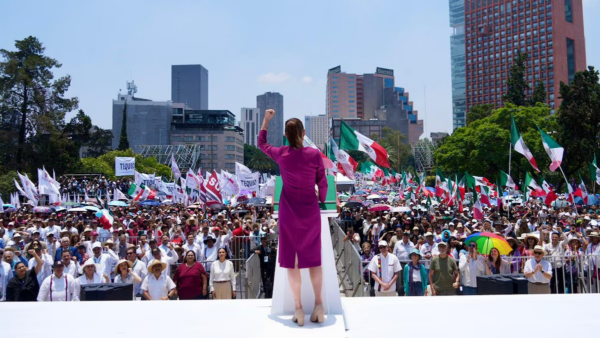
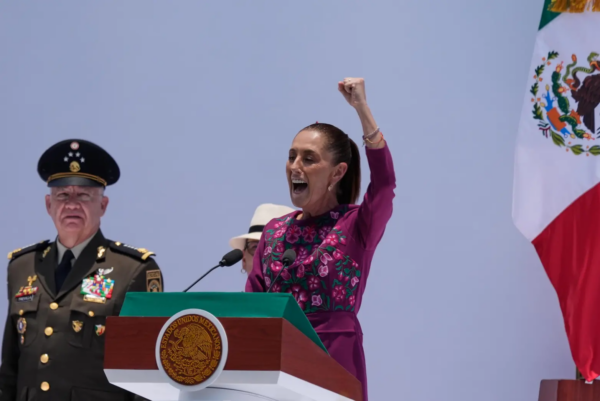
On May 31, 2026, President Sheinbaum’s event at the Monument to the Revolution showcased the merger of Mexico’s ruling Morena party with the State, revealing a totalitarian shift. The gathering, attended by military leaders and Supreme Court Justices, signified a rejection of democracy, suppressing dissent and consolidating power under the guise of moral authority.

Sometimes, letters arrive.

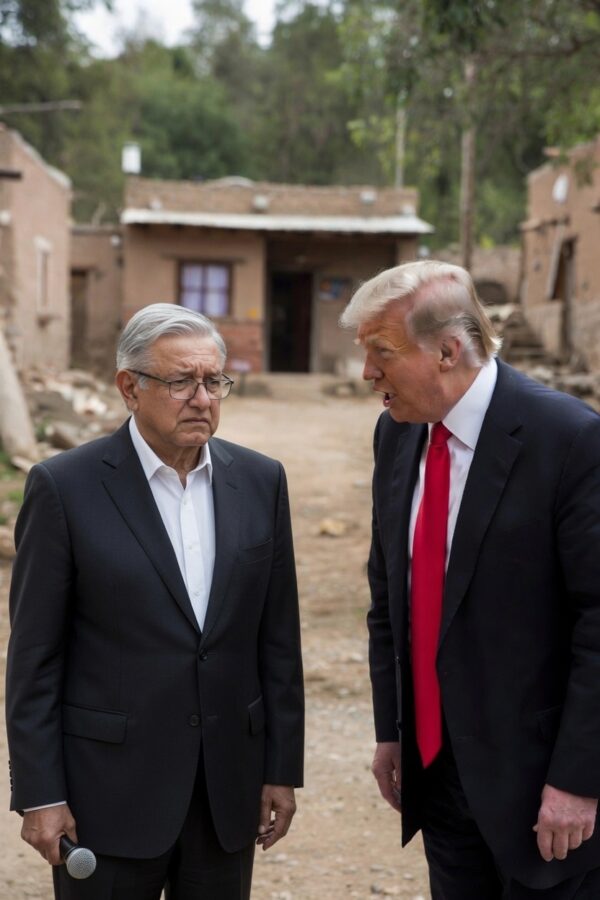
The relationship between Mexico and the U.S. is increasingly tense, highlighted by unclear communications between current and former presidents. A recent letter from López Obrador seemingly reiterates past collaborations but raises concerns about political divides. The shifting dynamics underscore the precariousness of bilateral ties amid internal and external pressures facing both administrations.

Provincial Politics, Global Consequences.

President Sheinbaum’s focus on political theater rather than economic reform threatens Mexico’s stability amid stagnation and geopolitical pressures. Her confrontational approach towards the U.S. alienates potential investors and undermines strategic cooperation. To improve the nation’s prospects, policies should prioritize strengthening institutions and restoring economic confidence, rather than engaging in nationalist rhetoric.

The Importance of Seriousness in Governance.

The Royal Spanish Academy defines “seriousness” as embodying formality, responsibility, and decency. The text critiques a government accused of irresponsibility for rushing legislative reforms and mishandling electoral integrity, risking manipulation under vague definitions of foreign interference. Additionally, it highlights the ruling party’s media discrediting tactics and bias among judicial officials.

Luis Maizel’s Monthly Letter: Who’s Right? The Economy is Slowing Down, yet the Markets are Soaring.

The United States faces a complex economic landscape characterized by low growth, high unemployment among graduates, and rising inflation, with a notable reliance on artificial intelligence for GDP growth. A K-shaped economy emerges, increasingly benefiting wealthier individuals while lower-income groups struggle. The geopolitical situation and domestic issues add to the uncertainty.

Shares