
Mexico Under Siege: Exploring Government Mismanagement

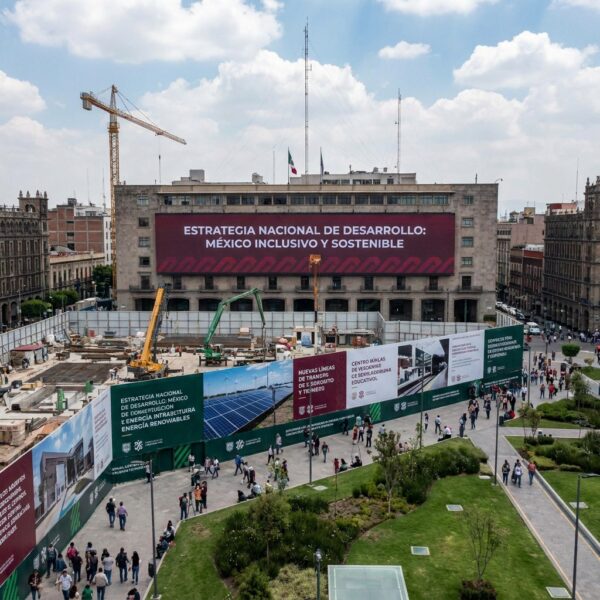
Mexico is facing internal and external crises, exacerbated by a government blind to reality. Economic mismanagement, excessive subsidies, and a lack of investment confidence are driving the nation towards stagnation. The government’s denial of its failures and refusal to accept criticism contribute to severe challenges, both domestically and internationally.

The Present Moment.

The current global landscape is marked by rapid technological change, shifting power dynamics, and resurgent conflicts. Notable works explore these themes, covering topics from Mexico’s governance challenges to China’s revolutionary history and Iran’s geopolitical strategies. Collectively, these insights highlight the profound changes affecting societies worldwide and the implications for political authority and citizen rights.

Intelligence for Mexico´s National Security.

Strategic planning is essential for companies and governments to manage risks and seize opportunities amid local and global challenges. National security policies are crucial for maintaining state viability and public well-being. The absence of such policies leads to profound deterioration and vulnerability, as highlighted by former CISEN directors advocating for a revitalized approach.

Mexico’s Degradation.

When did it begin? There is no single date. To suggest such a thing only makes sense if one is pursuing a political agenda. But what is beyond doubt is that it is everywhere. Perhaps we are experiencing the climax, the worst moment of the disease. Not necessarily. Ethical and moral decay can continue to advance.

Protests in Mexico: Rising Discontent and Calls for Justice

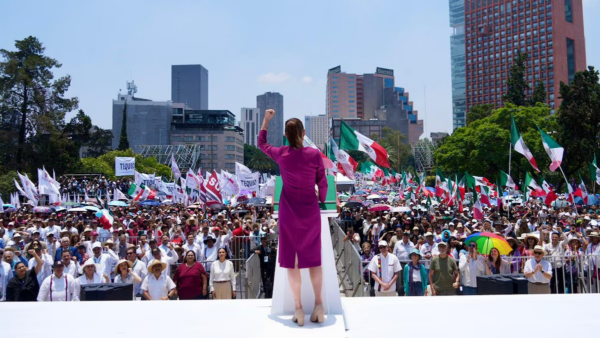
In Mexico, widespread protests reflect deep social discontent over security, justice, and economic issues. Various groups, including families of missing persons, feminists, and workers, have mobilized against state negligence and organized crime, demanding urgent reforms. Distrust in state institutions fuels these movements, revealing a significant gap between public needs and governmental response.

Mexico’s Eroding Democracy: Key Challenges.

Mexico’s democracy is currently facing significant challenges, including institutional erosion, persistent impunity, and political polarization, which threaten its legitimacy and effectiveness. Corruption, driven by organized crime, exacerbates these issues. To revive democracy, it is essential to strengthen institutions, combat impunity, reduce polarization, and improve citizens’ quality of life.

The Trump Presidency: A Historical Earthquake.

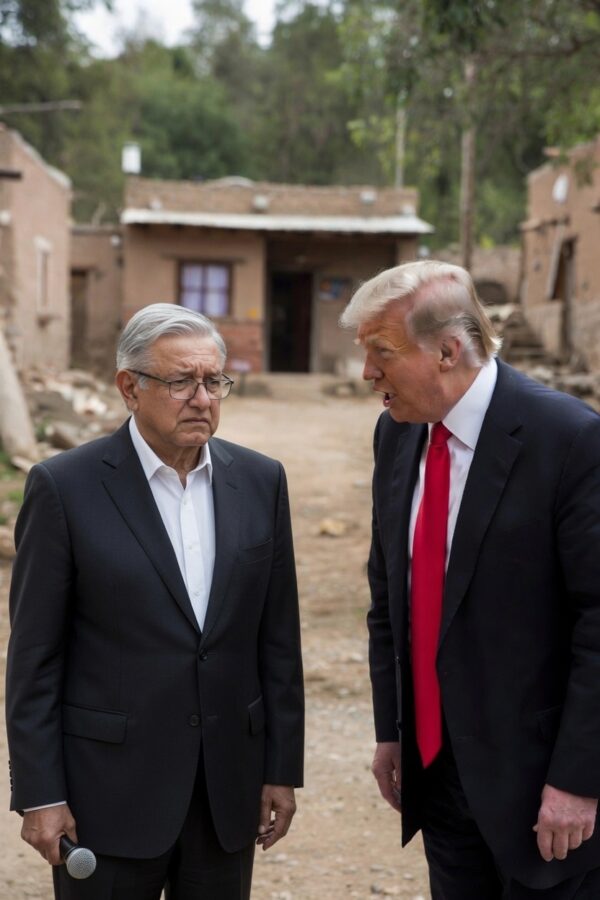
Antonio Navalón expresses his weariness with Donald Trump’s influence on contemporary history, arguing that he undermines democracy and promotes personal power. The combination of political division, gun ownership, and social issues reflects a destabilizing reality in the U.S., while Trump’s foreign and domestic policies deepen conflicts and economic challenges faced by citizens.

Sheimbaum’s Plan B: A Tragedy of Errors.

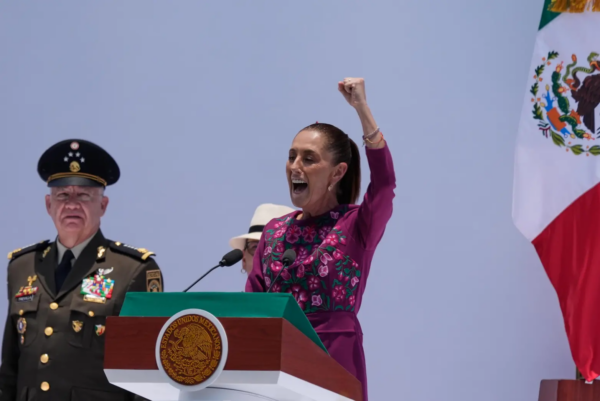
The text criticizes President Sheinbaum’s electoral reforms, Plans A and B, arguing they are flawed compared to successful past reforms due to their exclusive approach and short-term political objectives. It highlights concerns over undermining democracy, federalism, and historical inaccuracies, ultimately suggesting that these reforms lead to chaos rather than effective governance.

Reform or Fall Behind: India and Mexico.

Donald Trump’s influence has spurred India’s Prime Minister Narendra Modi to embrace urgent reforms, shifting the country from complacency to rapid development. Infrastructure projects and policy changes are ongoing, fostering a proactive mindset among business leaders. Despite economic slowdowns, India’s focus on long-term growth and competitiveness may position it favorably in global markets.

Challenges Facing Mexico’s Civil Society.

The content discusses the significance of civil society in democracy, inspired by Alexis de Tocqueville’s observations. It emphasizes the importance of social organizations for societal well-being and the economy. In Mexico, however, low interpersonal trust and state restrictions hinder civil society development, causing many organizations to remain inactive.

Shares