Cuban Resilience Amid U.S. Political Pressures

In 2016, Raúl and Alejandro Castro negotiated an agreement with Obama for a market economy in Cuba while retaining the Communist Party’s power, akin to the Vietnamese model. Fidel Castro rejected this idea, exposing Cuba’s long history of dependency on foreign support. Presently, the island faces severe economic challenges and resistance to U.S. demands, with the potential for humanitarian crises looming.

Trump’s Unfinished Victories.

As the hours pass, the war waged by Israel and the United States against Iran threatens to become a protracted conflict, much like the war in Ukraine. The mix of politics and war is proverbial: we know who starts the war and when, but we never know when it will end or under what conditions.

An Impossible War.

This is an impossible war because it has no easy way out. Once the bombing is over, assuming the partial destruction of facilities and even the weakening of the Ayatollahs’ government, we would still have to live with a world full of fanatics, militias, ideological networks, clandestine apparatuses, and political structures that have made holy war and the destruction of their enemies a way of life and a reason for existence.

The Revolution Devours Its Own.

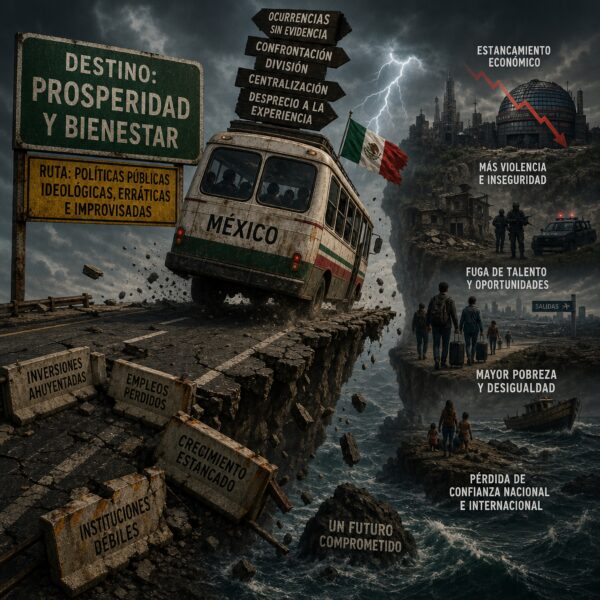
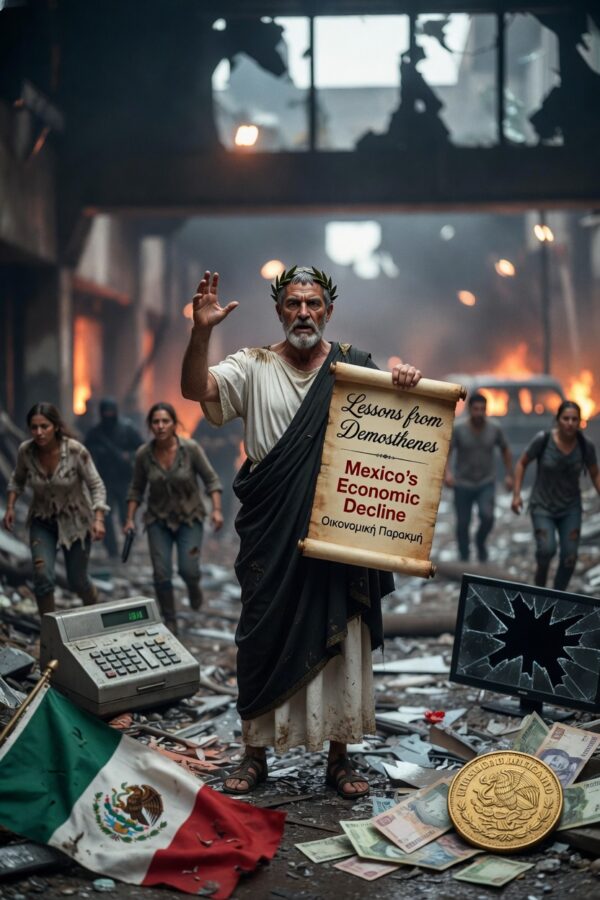
Luis Rubio discusses the challenges faced by Mexico’s ruling movement, Morena, which mirrors historical cycles of revolutions leading to authoritarianism. As disillusionment grows, internal fragmentation, and a demand for accountability rise. The government struggles with past failures while grappling with the need for sustainable social commitments amid economic inconsistencies.

Auf Wiedersehen

In the late 1970s, Mexican social sciences were predominantly Marxist, minimizing other theories until the emergence of the Frankfurt School, which introduced diverse critical perspectives on society. Influenced by scholars like Habermas, these ideas emphasized dialogue and intersubjectivity, ultimately expanding philosophical and democratic thought.

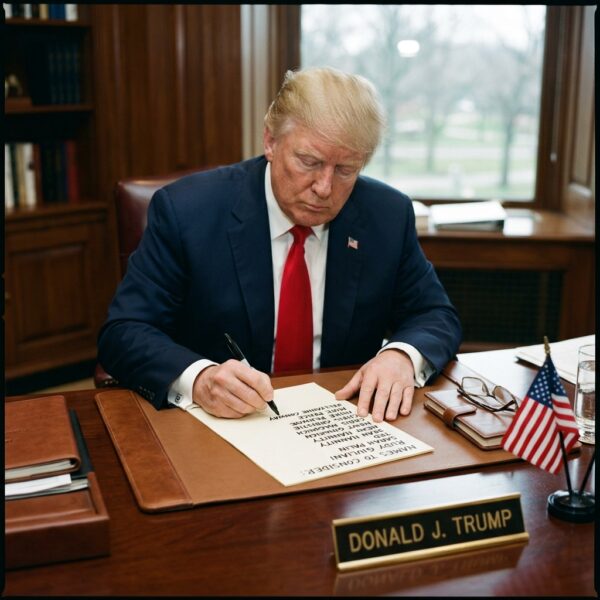
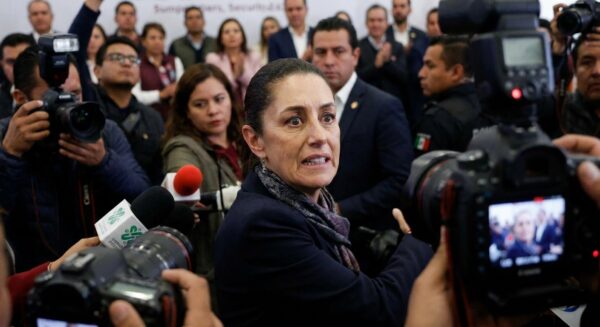
Trump’s Shield Threatens Sheinbaum.

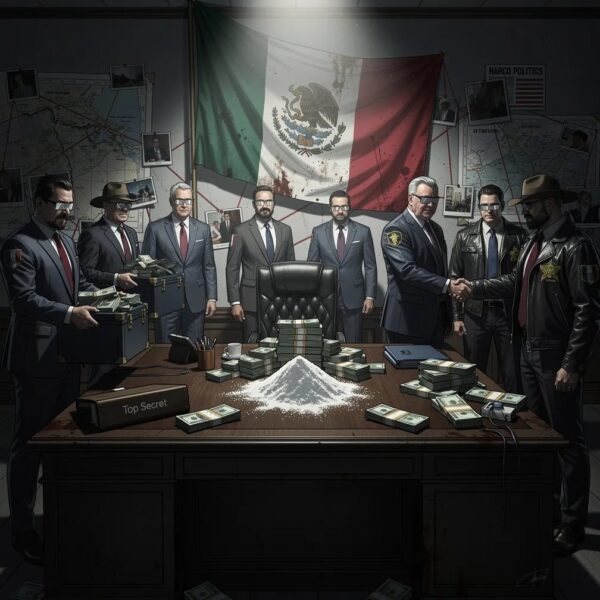
Trump’s summit with 12 Latin American presidents aimed to form a military coalition against drug trafficking but resulted in no concrete agreements. The meeting highlighted a conservative shift in the region, excluding left-leaning countries. Trump’s stance on Mexico, perceived as a drug trafficking hub, raised concerns about its international isolation and vulnerability.

Morena Enters The Fray, A Divided Party.

Morena’s National Council meeting exposed deep internal divisions ahead of elections, with factions contesting power. Key coordinators were appointed for electoral constituencies and gubernatorial campaigns, reflecting loyalty conflicts. The situation highlights a fragmented political landscape, with looming legal challenges and the influence of organized crime complicating the electoral process.

The Politics of War: What Do Citizens Gain?

The piece examines the complex motivations behind wars involving the United States, emphasizing the importance of understanding objectives and potential gains. It discusses historical context, the role of public perception, and the influence of the military-industrial complex, especially in democratic societies where clarity of purpose is crucial for sustaining support.

Official Truth vs A Complex Reality in Mexico.

The post discusses how the current Mexican government, Morena, mirrors the oppressive narrative-building tactics of past communist regimes, specifically in relation to maintaining control over information and institutions. It criticizes Morena’s disregard for democratic principles and accountability, arguing that this poses a significant threat to Mexico’s political landscape and citizen rights.

Youth Challenges in Modern Society.

The text examines the complexities faced by contemporary youth, including the romanticization of youth as a positive force while grappling with issues like unemployment, mental health, and educational challenges. It highlights their frustrations with societal structures and questions the efficacy of youth participation in political movements, emphasizing the need for nuanced understanding and diverse solutions.

Shares