Self-Inflicted Decline.

The article critiques the Mexican government’s policies over the past eight years, arguing they have hindered economic growth and opportunity, particularly for the poor. It emphasizes the importance of reliable energy and a strong education system to foster development. The current nationalist approach risks locking Mexico into a low-value assembly role, stifling broader progress.

The Designed Society.

The text explores the paradox of imagining an apocalypse while capitalism persists, highlighting humanity’s fascination with disaster narratives and the implications of artificial intelligence. As AI evolves, it poses benefits and challenges, with a contrasting global response—China anticipates societal changes, whereas the West faces vulnerabilities in a commodified digital landscape.

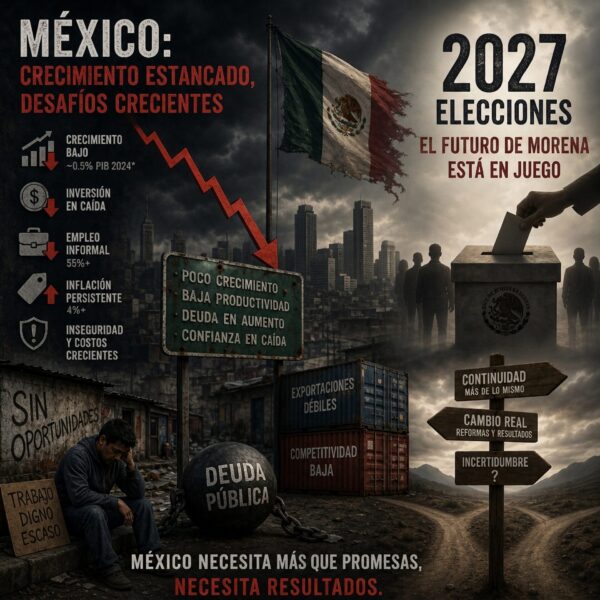
Economic Environment and the 2027 Elections.

The Mexican economy faces stagnation, with GDP growth projected at only 1% in 2026 due to insufficient investment and declining consumption. Public debt is rising, and inflationary pressures impact real income. Political dynamics within the Morena party complicate the electoral landscape, as perceptions of corruption may sway voter sentiment in 2027.

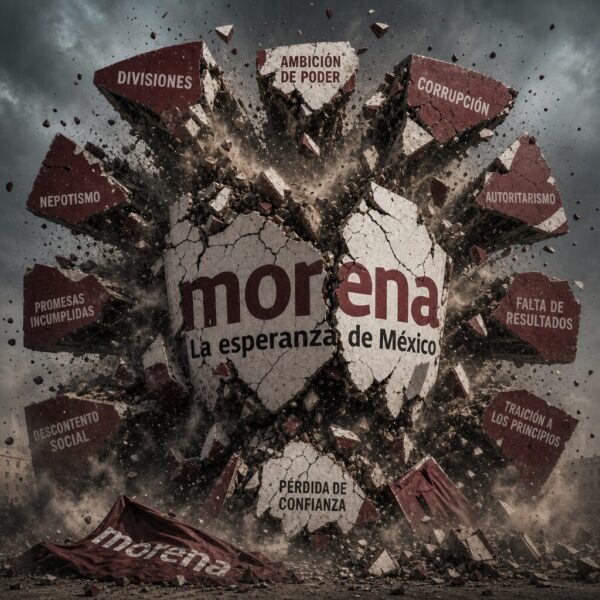
Morena’s Implosion.

Morena’s internal unity depends on a single factor: the strength of its charismatic leader. Without that decisive factor, its internal lines of command, cohesion, and coordination fragment and break apart. It lacks mechanisms to address its differences. It resorts to the most obvious tools of an authoritarian State to quell its internal conflicts—threats, espionage, and police control—rather than political dialogue.

To Be And To Seem.

The absence of reliable judicial and investigative institutions in Mexico leads to widespread crime and distrust. A 2024 report revealed that 93.2% of crimes go unreported or uninvestigated. The political climate fosters suspicion towards justice, making citizens vulnerable to arbitrary legal actions. Trustworthiness and accountability in the justice system are critical for societal stability.

The Cold Head Sheinbaum Can’t Afford to Lose.

Luis Rubio discusses the escalating tension between Mexico and the U.S. following extradition requests for Mexican politicians. While President Claudia Sheinbaum initially maintained a cooperative stance, recent pressures have led to a defensive rhetoric shift. The outcome of her meeting with Trump may shape future U.S.-Mexico relations, crucial for Mexico’s stability.

The Art of Diverting Attention.

The article discusses how political power in Mexico hinges on public attention and distraction tactics, exemplified by Sheinbaum’s arrest of Ernesto Ruffo Appel. This move aims to divert scrutiny from Morena’s internal crises and safeguard its leadership from allegations of corruption and ties to organized crime, emphasizing the importance of managing public perception.

Red Eyes.

The article reflects on the evolution of photography and its impact on how people are perceived in images. It discusses the challenges of looking good in photos, cultural shifts in posing and smiling, and personal stories that reveal emotional complexities tied to memories. Ultimately, it highlights how technology shapes our visual representation and self-awareness.

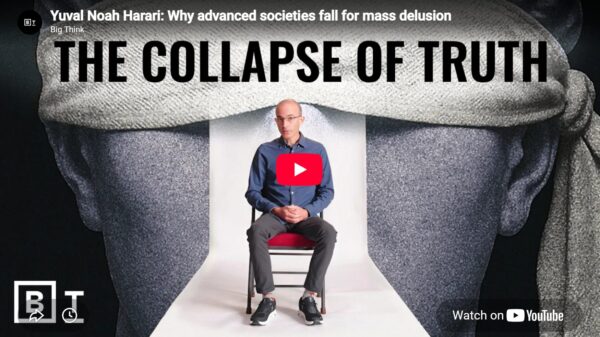
Why Advanced Societies Fall for Mass Delusion.

Yuval Noah Harari discusses the paradox of human intelligence in a Big Think presentation, emphasizing that while we accumulate knowledge rapidly, we remain susceptible to misinformation and deception. He highlights the impact of information technology on societies and warns of the dangers posed by artificial intelligence, underscoring the importance of quality information.

Back to the Origins.

The post discusses the historical ebb and flow of globalization, highlighting conflicts between universal values and local cultures. It contrasts the integrity of the Olympics with the corruption in FIFA, emphasizing the need for ethical standards in global sports. The narrative calls for inclusion and excellence as guiding principles for fans and organizations alike.

Shares