Waiting for November.

The upcoming U.S. midterm elections on November 3 are pivotal, with President Trump’s approval rating falling to 35%. Many Americans disapprove of his economic handling and the war in Iran, anticipating repercussions on global tensions. A potential shift in U.S. foreign policy could occur depending on election outcomes, particularly regarding Europe and Latin America.
June 13, 2020-June 13, 2026.

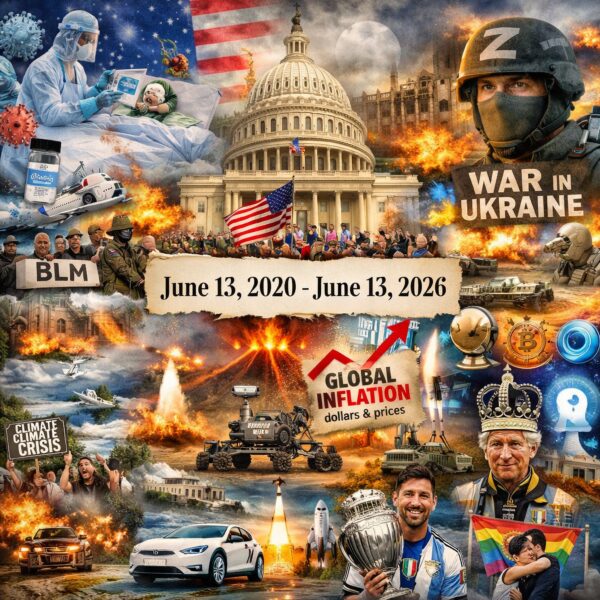
SEPGRA, established on June 13, 2020, has published extensive content covering global events and societal changes, totaling 2,237 posts over 2,192 days. The organization expanded its linguistic reach and accurately predicted significant shifts in Mexico’s political landscape. Looking ahead, SEPGRA embraces the complexity of emerging global dynamics with optimism.

Provincial Politics, Global Consequences.

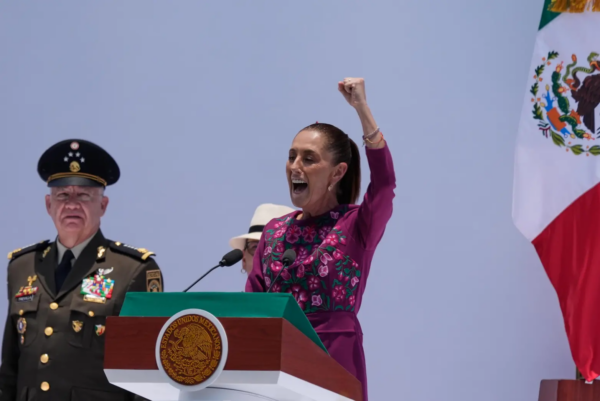
President Sheinbaum’s focus on political theater rather than economic reform threatens Mexico’s stability amid stagnation and geopolitical pressures. Her confrontational approach towards the U.S. alienates potential investors and undermines strategic cooperation. To improve the nation’s prospects, policies should prioritize strengthening institutions and restoring economic confidence, rather than engaging in nationalist rhetoric.

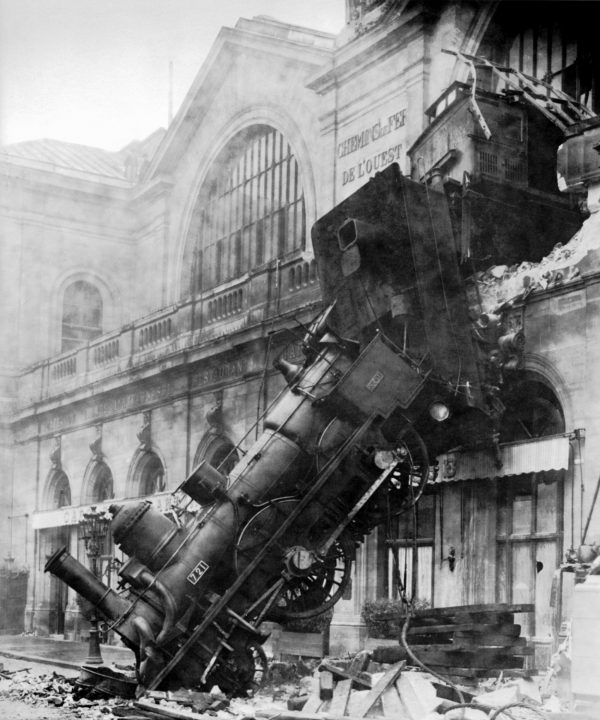
Luis Maizel’s Monthly Letter: Who’s Right? The Economy is Slowing Down, yet the Markets are Soaring.

The United States faces a complex economic landscape characterized by low growth, high unemployment among graduates, and rising inflation, with a notable reliance on artificial intelligence for GDP growth. A K-shaped economy emerges, increasingly benefiting wealthier individuals while lower-income groups struggle. The geopolitical situation and domestic issues add to the uncertainty.

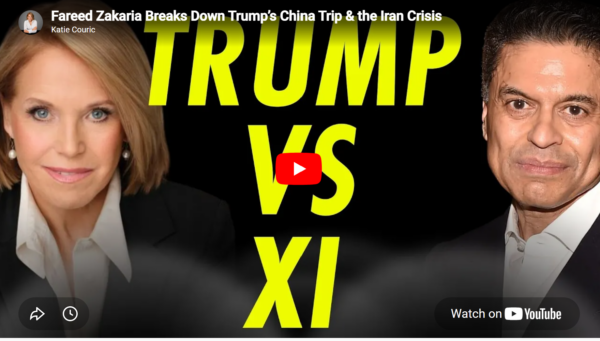
Fareed Zakaria Breaks Down Trump’s China Trip & the Iran Crisis.

The content suggests that viewers should watch a specific video from start to finish, indicating it’s engaging and informative. It also lists additional videos covering various topics, including the Kentucky Derby, Warren Buffett’s interview, longevity science breakthroughs, and discussions about U.S. relations with Iran.

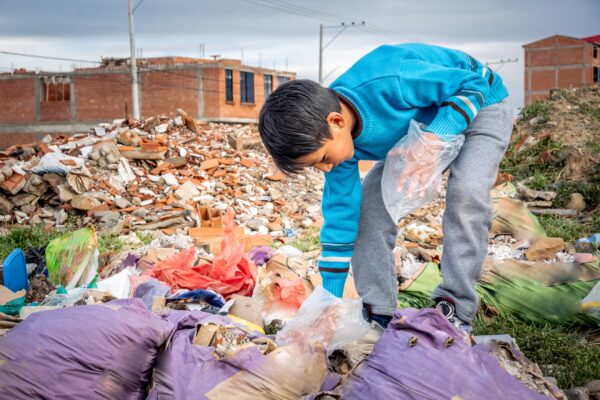
Throwing Mexico’s Future Into The Trash.

The piece emphasizes the critical role of education in a nation’s prosperity, contrasting historical strides in Mexican education with recent setbacks under the Fourth Transformation. It highlights declining funding, worsening performance metrics, and increased dropout rates, ultimately portraying a grim picture of social mobility and the future of Mexican youth.

The Cow In Me.

I don’t know if there’s a support group for people with dental implants. I ask because the subject has revealed interesting aspects of the human condition to me. My dentist, told me she had to insert a bit of bone into my gum to place an implant. The procedure seemed abstract to me until I asked where the bone came from. “There’s human and cow,” was the answer.

The Curse of Absolute Power.

Andrés Manuel López Obrador has established a powerful, authoritarian regime in Mexico, erasing checks and balances and promoting corruption. Despite promising financial benefits to citizens, he has severely undermined healthcare and education. The situation is reminiscent of historical totalitarian regimes, as societal values decline and democracy faces grave threats under his rule.

Mexico’s Struggle with Enforced Disappearances and Human Rights.

The post discusses the evolution of international law following World War II, particularly the Nuremberg Principles, which established individual accountability for crimes against humanity. It highlights Mexico’s ongoing issues with enforced disappearances, increasing significantly under current leadership. The United Nations Committee advocates for intervention amidst governmental neglect and criminal complicity.

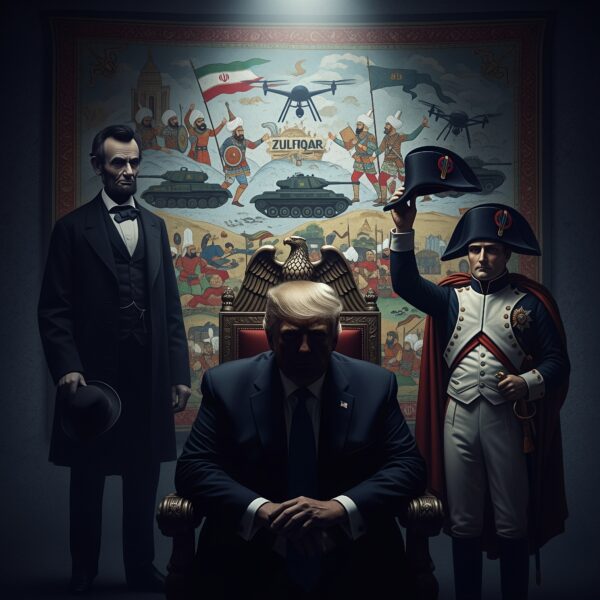
Trump Forever.

The content discusses the complexities of power and perception in political contexts, focusing on Trump’s leadership style amidst conflict with Iran. It highlights historical parallels, emphasizing how military command changes reflect internal crises or accountability avoidance. The article concludes with concerns about political stability and the dangers of undermining electoral processes.

Shares