
The Global Consequences of Starting a War Without a Strategy and a Clear Objective.

The world faces increasing chaos as decision-making blurs reality and perception, echoing past crises like the Cuban Missile Crisis. Current tensions, particularly between the U.S., Iran, and Israel, highlight the dangers of poor strategic planning and the economic consequences of conflict. The lack of effective global leadership exacerbates instability, impacting everyone.

Mexico’s Missing Checks and Balances.

The enduring question of Mexico’s readiness for democracy, first posed in 1908, reflects deep concerns about its political and economic institutions. Despite NAFTA’s initial promise of stability, significant regional disparities and a lack of effective governance persist. Mexico now requires robust institutional checks to foster economic certainty and true democracy.

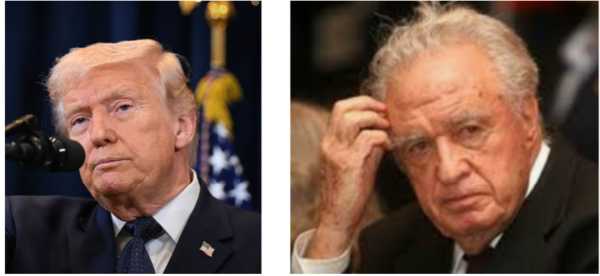
Trump and Sherer.

Pakistan demonstrated that, at critical moments when preserving the international harmony, diplomacy remains an effective tool for the peaceful resolution of international disputes. Julio Sherer was born to make people uncomfortable. To speak out when others were silent… Scherer made freedom of expression …a way of life,”

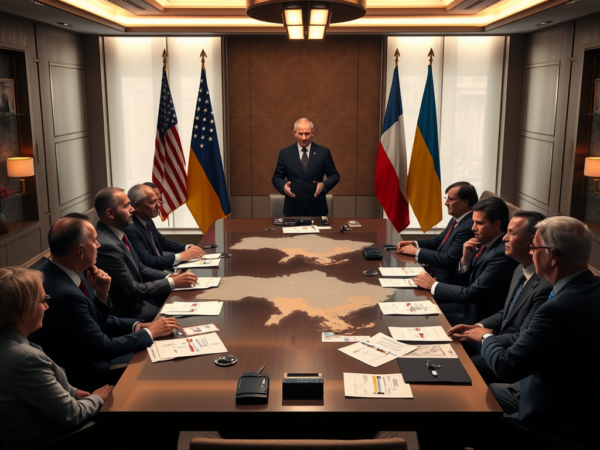
Negotiating Peace: The U.S. Strategy in the Ukraine Conflict.

Russia’s ongoing aggression in Ukraine faces diplomatic challenges, with the U.S. pushing for agreements by June 30, coinciding with elections. Key obstacles include Putin’s rejection of settlements, Ukrainian sovereignty concerns, and NATO’s status. Proposed solutions, like a Reconstruction Trust Fund, reflect resource exploitation ambitions, highlighting the complexities of negotiations.

Mexico’s Struggle with Enforced Disappearances and Human Rights.

The post discusses the evolution of international law following World War II, particularly the Nuremberg Principles, which established individual accountability for crimes against humanity. It highlights Mexico’s ongoing issues with enforced disappearances, increasing significantly under current leadership. The United Nations Committee advocates for intervention amidst governmental neglect and criminal complicity.

Brava!, María Dolores González Saravia.

María Dolores González Saravia, president of the Mexico City Human Rights Commission, welcomed the UN Committee on Enforced Disappearances’ resolution addressing Mexico’s disappearing persons crisis. She advocates for scrutiny and technical cooperation, contrasting with Rosario Piedra’s and President Sheinbaum’s critical responses, which lacked constructive solutions and reflected hostility toward the UN and victims.

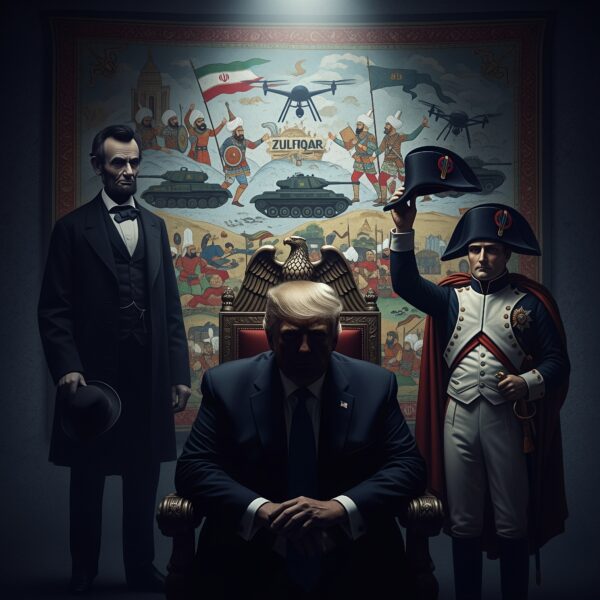
Trump Forever.

The content discusses the complexities of power and perception in political contexts, focusing on Trump’s leadership style amidst conflict with Iran. It highlights historical parallels, emphasizing how military command changes reflect internal crises or accountability avoidance. The article concludes with concerns about political stability and the dangers of undermining electoral processes.

Mexico Under Siege: Exploring Government Mismanagement

Mexico is facing internal and external crises, exacerbated by a government blind to reality. Economic mismanagement, excessive subsidies, and a lack of investment confidence are driving the nation towards stagnation. The government’s denial of its failures and refusal to accept criticism contribute to severe challenges, both domestically and internationally.

The Present Moment.

The current global landscape is marked by rapid technological change, shifting power dynamics, and resurgent conflicts. Notable works explore these themes, covering topics from Mexico’s governance challenges to China’s revolutionary history and Iran’s geopolitical strategies. Collectively, these insights highlight the profound changes affecting societies worldwide and the implications for political authority and citizen rights.

Intelligence for Mexico´s National Security.

Strategic planning is essential for companies and governments to manage risks and seize opportunities amid local and global challenges. National security policies are crucial for maintaining state viability and public well-being. The absence of such policies leads to profound deterioration and vulnerability, as highlighted by former CISEN directors advocating for a revitalized approach.

Shares