Mexico, Trump, and the Limits of Confrontation.

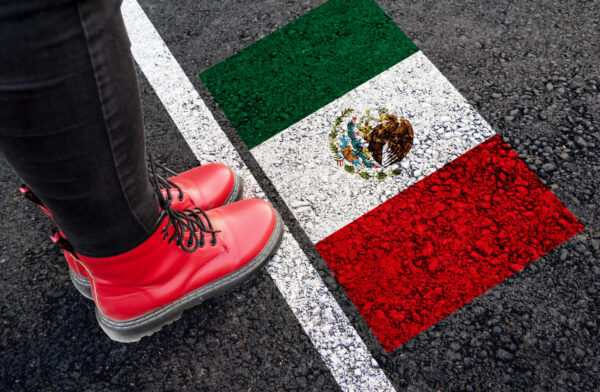
The U.S.-Mexico border relationship is complex, affected by historical ties and modern challenges such as organized crime and political populism. Leaders Donald Trump and Andrés Manuel López Obrador represent frustrations from globalization. Acknowledging shared security threats may foster cooperation, essential for addressing mutual interests amidst lingering institutional weaknesses in Mexico.

Ali Baba’s Cave

The content discusses FIFA’s operations and corruption, notably illustrated by the FIFAgate scandal involving Chuck Blazer. It critiques FIFA’s dealings with authoritarian regimes and Gianni Infantino’s questionable leadership. It highlights the financial burden on host cities for the World Cup while benefiting FIFA and the media instead of local communities.

Latin America Is Shifting To The Right.

The potential election of Abelardo de la Espriella as president of Colombia signals a significant rightward shift in Latin America, exacerbating political polarization and authoritarianism. The failure of leftist governments to implement effective policies and address issues like crime and corruption has facilitated the rise of radical right leaders across the region.

The Lame Duck

Socioeconomic challenges are intensifying in Mexico as growth forecasts plummet, job creation declines, and school enrollment drops. Corruption and a deteriorating judiciary exacerbate the situation, hindering foreign investment. Amid rising inflation, the government faces pressure to reform, particularly regarding human rights violations highlighted by the IACHR. Immediate action is crucial for stability.

“The Dystopian World Cup with Utopian Soccer”

The content explores the contrast between dystopia and utopia, particularly in the context of the 2026 World Cup amid geopolitical turmoil. While dystopian elements define the background, the unifying power of soccer brings joy and a sense of community, temporarily mending societal fractures despite the overwhelming challenges faced in the world.

The Revival of Gorbachev’s Ghost.

Mikhail Gorbachev’s legacy is revisited in light of Cuba’s current existential crisis. The article discusses the potential paths Cuba could take: embracing profound internal reform similar to Gorbachev’s perestroika and glasnost or facing inevitable foreign intervention. Cuba’s leadership must act decisively and urgently to avoid impending collapse.

Narco-Politics and Democracy: Mexico’s 2027 Elections.

The upcoming 2027 Mexican elections are marked by intense polarization, with opposing factions accusing each other of extreme affiliations. The ruling party, Morena, is labeled as a “narco-party” by critics who claim it is entwined with drug cartels. The elections will significantly shape Mexico’s future, focusing on democracy versus authoritarianism.

The Pope Rides Again.

Vincenzo Gioacchino Pecci, elected as Pope Leo XIII, symbolizes the Catholic Church’s transformation from a persecuted faith to a political powerhouse post-Constantine. The Church, facing modern crises, seeks renewed moral authority through Pope Leo XIV’s focus on contemporary issues like artificial intelligence, war, and societal polarization, emphasizing human dignity.

Mexico Needs a Course Correction.

President Claudia Sheinbaum’s administration in Mexico has struggled to address significant challenges, following a course inherited from the previous government. With rising polarization, weak investment, and declining public support, the need for change is imperative. Adapting strategy and building unity, especially with the United States, are vital for future stability.

The Absence of Governance.

The discourse emphasizes the decline of governance in Mexico under López Obrador, noting that the dismantling of institutional checks has empowered social groups, particularly the teachers’ union, mirroring mafia-like extortion tactics. This eroded governance leads to a justice system weakened by political interests, resulting in widespread criminal governance.

Shares