Sometimes, letters arrive.

The relationship between Mexico and the U.S. is increasingly tense, highlighted by unclear communications between current and former presidents. A recent letter from López Obrador seemingly reiterates past collaborations but raises concerns about political divides. The shifting dynamics underscore the precariousness of bilateral ties amid internal and external pressures facing both administrations.

Provincial Politics, Global Consequences.

President Sheinbaum’s focus on political theater rather than economic reform threatens Mexico’s stability amid stagnation and geopolitical pressures. Her confrontational approach towards the U.S. alienates potential investors and undermines strategic cooperation. To improve the nation’s prospects, policies should prioritize strengthening institutions and restoring economic confidence, rather than engaging in nationalist rhetoric.

The Importance of Seriousness in Governance.

The Royal Spanish Academy defines “seriousness” as embodying formality, responsibility, and decency. The text critiques a government accused of irresponsibility for rushing legislative reforms and mishandling electoral integrity, risking manipulation under vague definitions of foreign interference. Additionally, it highlights the ruling party’s media discrediting tactics and bias among judicial officials.

Interference, Morena-style.

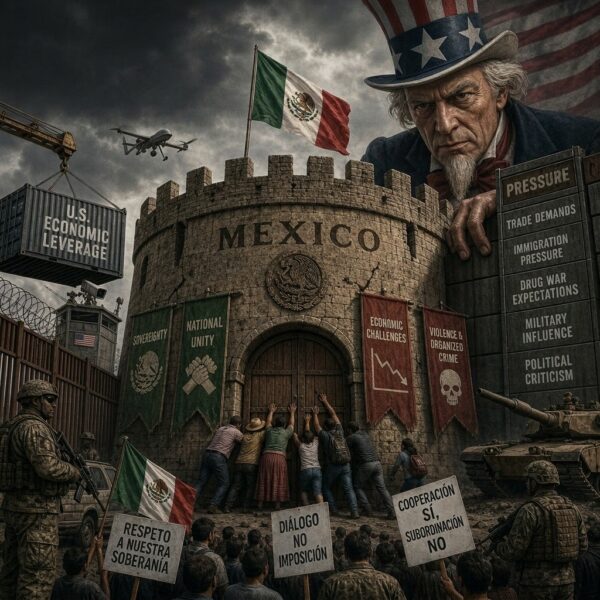
Claudia Sheinbaum’s recent speech emphasized Mexico’s sovereignty amid U.S. accusations of drug trafficking links with her party, Morena. She criticized U.S. legal actions, asserting they aim to interfere in Mexico’s electoral processes. Despite calling out U.S. interventionism, her administration has financially supported political projects in other Latin American countries.

Morena, The Hallmark Of The House: A Narco-Party.

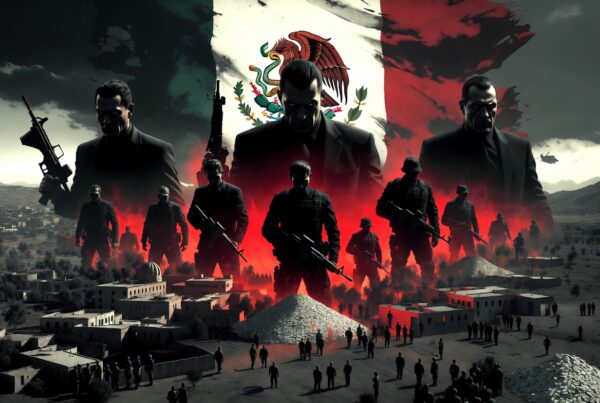
Morena’s reputation as a legitimate party is severely undermined by its association with drug trafficking, with increasing public disillusionment. Promises of improved healthcare and education remain unfulfilled, leading to widespread dissatisfaction. The party’s decline in support reflects the scandal and betrayal of its foundational principles, solidifying its label as a “narco party.”

Trump’s List.

In Mexico, political life increasingly depends on Trump’s list, if you’re not on the list… congratulations! There are plenty of politicians managing their own interests; while we wait, we are on edge and anxious about the scope of the catastrophe that could arrive at any moment in the form of a letter, a sanction, a file, or a list. Trump’s list.

The Perils of Continuity in Mexico.

Mexico’s current government faces a dilemma of maintaining continuity with its predecessor’s policies while grappling with mounting challenges, including economic pressures and declining credibility from credit-rating agencies. Instead of taking corrective action, the government has reacted defensively. A strategic rethink is essential to avoid crisis and foster growth.

Our Neighbor.

The post recounts a family’s experience of receiving an unexpected blood donation from a stranger named Emmanuel, evoking the Good Samaritan parable. It reflects on themes of altruism, neighborly love, and the complexity of human connections. Ultimately, it illustrates that kindness can emerge from unexpected sources, redefining the concept of a neighbor.

Mexico’s Economic Stagnation: A Realistic Analysis.

An economist’s analysis highlights the adverse effects of Mexico’s financial policies, noting a significant rise in public debt and stagnant investment. Current spending focuses on social programs and subsidies, resulting in a decrease in federal investment and GDP growth. The situation is expected to worsen without structural changes, risking further economic decline.

Populism Behind Bars.

The U.S. has intensified its campaign against Latin American populism, exposing corruption and failures of leaders who once positioned themselves as champions of the people. Many are now facing legal repercussions as the underlying promise of justice has devolved into privilege and authoritarianism, ultimately leading to a crisis of legitimacy for populist movements across the region.

Shares